
Shooter Targets NFL Headquarters in Manhattan Rampage, Citing CTE Grievances
Gunman’s note blamed NFL for mental health decline as shooting leaves four dead and reignites debate over brain trauma, institutional accountability

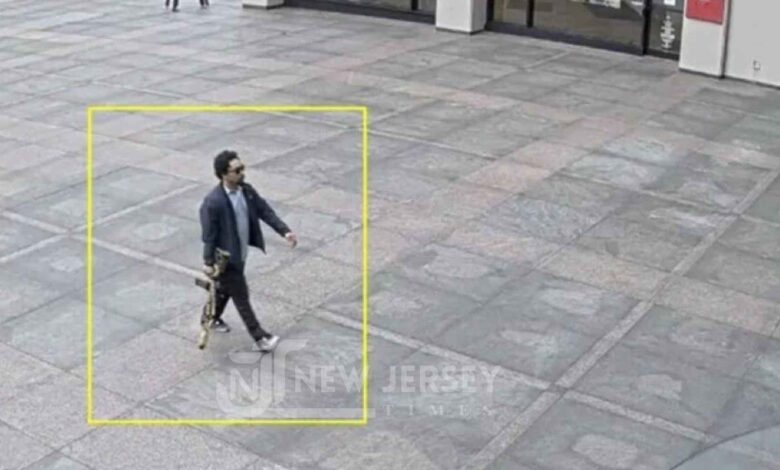
New York, July 29 EST: What unfolded Monday evening at 345 Park Avenue wasn’t just a mass shooting it was a targeted strike against an emblem of American cultural authority. When Shane Devon Tamura, a 27-year-old from Las Vegas, walked into the skyscraper carrying an M4 rifle, his intention wasn’t random violence. It was vengeance, in his mind, against the National Football League a multi-billion-dollar institution that, for years, sidestepped accountability for the devastating brain injuries linked to its sport.


Tamura’s intended destination was the NFL’s headquarters, housed on floors five through eight. He ended up on the 33rd floor instead. But even in error, the consequences were catastrophic: four dead, including an off-duty NYPD officer and a Blackstone executive, another victim wounded, and a psychological shockwave sent through two of the country’s most powerful institutions Wall Street and pro sports.
The Shooter, the Note, and the Broken System
Tamura left behind a three-page note railing against the NFL, accusing the league of hiding the dangers of chronic traumatic encephalopathy (CTE) and asking for his own brain to be studied postmortem. According to Mayor Eric Adams, this was a targeted act fueled by delusion and despair. And yet, even in its madness, the note struck at a nerve that American institutions still haven’t cauterized.
Tamura played football only in high school. He never wore a college or professional jersey. What he did wear, apparently, was a long-standing mental illness documented, under-treated, and ultimately ignored until the final breakdown came carrying a military-grade rifle into a Manhattan office tower.
This wasn’t just one man’s collapse. It was an indictment of intersecting systems that chronically fail to hold healthcare, gun policy, corporate transparency.
The NFL’s Unfinished Reckoning
The NFL’s history with CTE is not a mystery. The league resisted the science for years, funding its own studies while sidelining evidence from independent researchers. It wasn’t until 2016, under intense pressure, that the NFL finally acknowledged the link between football and long-term brain damage. By then, former players were already dying some by suicide, some after years of cognitive decline.
Tamura’s actions don’t deserve sympathy. But his obsession with the league, and with CTE in particular, underscores how deeply the NFL’s past evasions have permeated public consciousness. The league that once marketed itself on toughness and invincibility now sits uneasily atop a foundation of traumatic legacy. It has made payouts. It has rebranded. But the ghosts aren’t gone.
And now, one of them arrived at its door with a rifle.
A National Symbol in the Crosshairs
The NFL isn’t just a sports organization. It’s a pillar of American culture a Sunday ritual, a political stage, a marketing juggernaut. Its brand is synonymous with power. When someone targets the NFL, they’re not just attacking a company; they’re attacking a cultural cathedral.
That Tamura viewed the league as responsible for his mental deterioration however untrue speaks to the psychological weight institutions like the NFL carry. They shape lives, set norms, influence identity. And when those institutions are perceived as indifferent to the harm they cause, resentment festers. In extreme cases, it explodes.
What happened on Park Avenue isn’t an outlier in the American landscape. It is, instead, the inevitable result of what happens when cultural power operates without adequate guardrails or accountability. The institutions may not pull the trigger, but they help write the stories that frame the rage.
The Fallout: Real, Symbolic, and Institutional
The NFL has since moved to remote operations, with security tightened across all its national offices. But no amount of badge scanners or panic buttons will resolve what now hovers over its New York headquarters: the sense that it was, for once, not the avatar of American dominance, but the target.
Roger Goodell, the league’s commissioner, issued a statement of condolences and support. But inside the NFL, there’s little doubt that this tragedy has stirred deeper anxieties. The threat wasn’t just physical it was symbolic. The league has spent years trying to move past its CTE crisis. It now finds that crisis, in violent form, on its literal doorstep.
Blackstone, too, has lost one of its own. Wesley LePatner, a high-ranking executive, was one of the victims. Her death sends tremors through a firm already under increasing public scrutiny over its business practices. In a cruel irony, the culture of invincibility associated with elite finance and elite football collided violently and fatally.
And for the NYPD, the death of Officer Didarul Islam, 36, a Bangladeshi-American officer off duty at the time, stings sharply. He was a symbol of the city’s changing face immigrant, Muslim, public servant and now becomes another symbol: of sacrifice, and of vulnerability.
What Now?
The investigation is ongoing. The FBI and NYPD are tracing Tamura’s digital footprint, trying to understand whether he was influenced by online extremist rhetoric or acting entirely on his own. According to Reuters, early signs point to a lone actor but one who had fixated for years on perceived injustices.
In the wake of the shooting, lawmakers are circling the usual debates: gun access, mental health oversight, the responsibilities of powerful institutions. But the deeper issue lies between the lines. This wasn’t just a security failure. It was a signal of the emotional and symbolic weight that elite institutions carry, and the danger when that weight goes unacknowledged.
If we are living through an age of broken trust, this shooting is one of its sharpest ruptures. A man with no NFL contract, no psychiatric support, and no legal restriction on firearms saw himself as judge, jury, and symbolic executioner.
The lesson isn’t just about who he killed. It’s about who he believed was responsible for his pain and why no one reached him before he reached the 33rd floor.
New Jersey Times Is Your Source: The Latest In Politics, Entertainment, Business, Breaking News, And Other News. Please Follow Us On Facebook, Instagram, And Twitter To Receive Instantaneous Updates. Also Do Checkout Our Telegram Channel @Njtdotcom For Latest Updates.

Trained in war zones, raised in Newark, and seasoned in city hall, Jordan blends grit reporting with deep integrity. From floods to finance bills, they’re always first on scene and last to leave.