

Arrest Made in Palisades Fire That Killed 12 and Devastated Los Angeles
After nine months of investigation, a Florida man is accused of setting the deadly blaze that destroyed thousands of homes in Pacific Palisades.

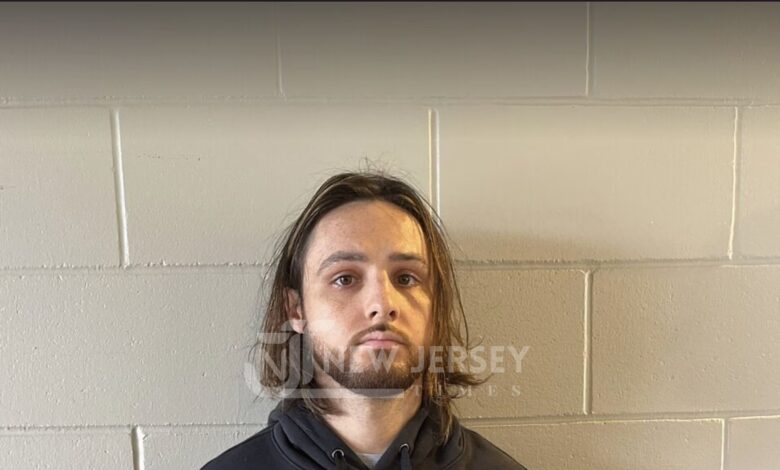
Los Angeles, October 8 EST: After nine long months of grief and unanswered questions, federal agents say they’ve caught the man who lit the match that destroyed a corner of Los Angeles.


Jonathan Rinderknecht, 29, was arrested early Tuesday in Broward County, Florida, accused of setting the Palisades Fire the January inferno that killed twelve people and left thousands homeless in Pacific Palisades. He now faces federal arson and manslaughter charges and will be sent back to California to stand trial, according to Reuters.
A Break in a Cold Investigation
The arrest came almost quietly, ending what had felt like a stalled investigation. For months, families who lost everything heard little from authorities beyond the usual “ongoing investigation.” Then, this week, a team of U.S. Marshals showed up at a small apartment complex near Fort Lauderdale and walked Rinderknecht out in handcuffs.
Federal prosecutors haven’t said why he did it, or how investigators linked him to the blaze. What’s clear, according to AP News, is that forensic work from cell data to surveillance footage played a big role. One federal agent described the case as “a thousand small threads that finally tied together.”
Neighbors back in Los Angeles say the news reopened old wounds. “It’s strange to feel relief and anger at the same time,” said Marisol Vega, who barely escaped her home off Sunset Boulevard. “You think you’re past it, then this drops and you’re right back there.”
The Fire That Changed Everything
The Palisades Fire erupted just after the New Year, when the city was still half-asleep after the holidays. Flames climbed through the canyons above Pacific Coast Highway and, within hours, entire blocks were gone.
Fire crews described the scene as chaotic winds shifting, smoke thick as fog, embers leaping across streets. By the time the last hotspots were out, more than 23,000 acres had burned. Twelve people were dead, including two firefighters caught in a wind shift.
A later review by The Washington Post called the response “hampered and inconsistent,” citing outdated communication systems that left residents without clear evacuation orders. Some people said they never got alerts at all.
Finding the Spark
Federal investigators eventually narrowed the fire’s starting point to a hiking trail near Chautauqua Boulevard, a quiet area where brush meets multimillion-dollar homes. At first, the cause looked accidental maybe a campfire, maybe downed power lines. But months later, lab results turned up accelerant traces in the soil. That changed everything.
The ATF and FBI launched a joint investigation. By spring, they had begun tracking Rinderknecht, who had apparently left California shortly after the fire. Officials haven’t said what led them to him, only that digital evidence possibly phone data or location history placed him near the ignition site.
Pain That Hasn’t Faded
For the families still digging through insurance paperwork and debris, the arrest doesn’t feel like closure yet. “Justice is fine,” said Evelyn Gutierrez, whose brother died trying to evacuate. “But it doesn’t rebuild a house. It doesn’t bring him back.”
Chief Kristin Crowley of the Los Angeles Fire Department called the arrest “a major step,” but added that the department remains focused on prevention. “We can’t undo what happened,” she said in a statement to AP News, “but we can learn from it.”
Drive through parts of the Palisades today and you still see the scars blackened trees, half-built homes, empty lots. Some residents say they can’t bring themselves to rebuild at all.
What Comes Next
California’s wildfire response has already come under scrutiny this year. A state review found “outdated evacuation plans” and “inconsistent coordination” between agencies, a polite way of saying no one was fully in charge when it mattered most. Governor Gavin Newsom promised upgrades, including satellite tracking and AI-assisted detection systems, though many of those efforts are still years away.
Legal experts say Rinderknecht’s case could push the boundaries of wildfire law. “It’s one of the rare times a wildfire becomes a homicide case,” said Laura Kim, who teaches environmental law at UCLA. “That means prosecutors will have to prove intent in a disaster that usually defies simple explanations.”
Waiting on Justice
Rinderknecht is being held in Florida while California prepares extradition papers. His first court appearance is expected later this week. Federal prosecutors haven’t said when formal charges will be filed, but a grand jury indictment seems likely.
For the people who lived through the fire, all they can do now is wait again. “You want justice, sure,” Vega said. “But what we really want is to feel safe again. And I don’t know when that happens.”
New Jersey Times Is Your Source: The Latest In Politics, Entertainment, Business, Breaking News, And Other News. Please Follow Us On Facebook, Instagram, And Twitter To Receive Instantaneous Updates. Also Do Checkout Our Telegram Channel @Njtdotcom For Latest Updates.

Trained in war zones, raised in Newark, and seasoned in city hall, Jordan blends grit reporting with deep integrity. From floods to finance bills, they’re always first on scene and last to leave.



