
Brian Walshe Sentenced to Life for Murder of Missing Wife Ana Walshe
Massachusetts jury delivers rare murder conviction without a body as judge calls crime “barbaric and incomprehensible”


Cohasset, December 18 EST: The room was still when the judge finished speaking. No gasps. No audible reaction. Just the dull certainty that the case was over, even if nothing about it ever truly will be. Brian Walshe was sentenced Thursday to life in prison without the possibility of parole for killing his wife, Ana Walshe, whose body has never been found. The sentence, handed down in Norfolk Superior Court, followed his conviction earlier this week for first-degree murder, ending the criminal phase of a case that has unsettled Massachusetts since the first days of 2023.



Judge Diane Freniere did not hedge her language. According to WCVB, she called Walshe’s actions “barbaric and incomprehensible.” There was no dramatic flourish in her delivery. She spoke plainly, then imposed the only sentence the law allows. Walshe said nothing. He did not look toward the gallery. He simply stood and listened as the rest of his life was defined in a matter of minutes.
A Murder Case Without Remains
From the outset, this prosecution asked jurors to sit with an uncomfortable fact. Ana Walshe’s body was never recovered. There would be no final discovery, no physical remains brought into court. Prosecutors did not pretend otherwise.
Ana, a 39-year-old real estate executive, disappeared in early January 2023 after failing to board a scheduled flight from Boston to Washington, D.C., where she worked. What began as a missing person investigation quickly shifted. According to investigators, the evidence did not point outward. It pointed inward, toward the home she shared with her husband in Cohasset.
On December 15, jurors convicted Brian Walshe of first-degree murder, accepting the state’s argument that Ana was killed inside that home and that her remains were intentionally destroyed and dispersed. According to Reuters, the verdict placed the case among a small and closely watched category of murder convictions secured without a body.
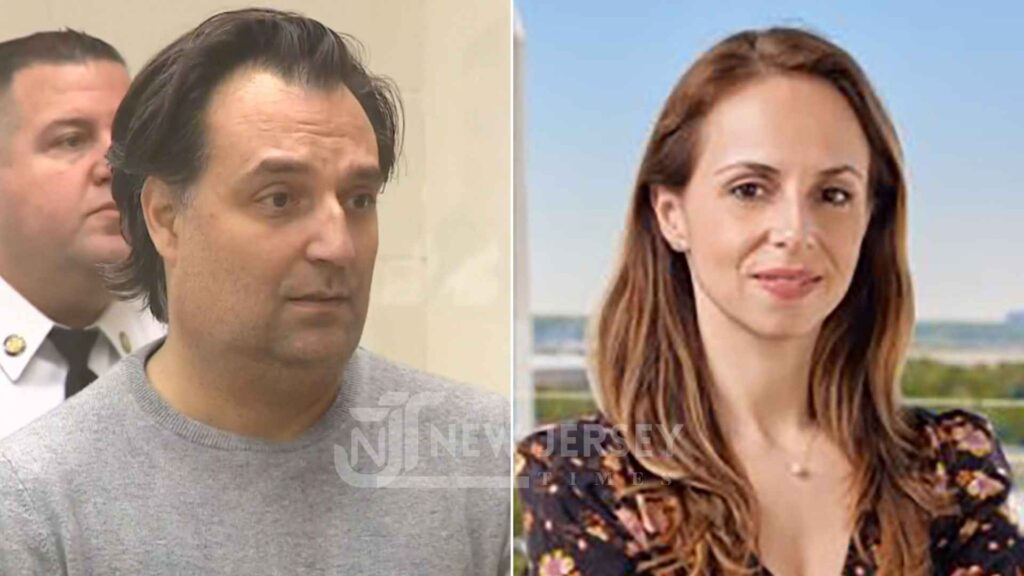
Thursday’s sentencing made that verdict permanent.
The Sentence And The Add-Ons
Massachusetts law leaves no discretion when it comes to first-degree murder. Life without parole is mandatory.
Judge Freniere also imposed additional sentences related to Walshe’s conduct after Ana disappeared. He had already pleaded guilty to lying to police and improper disposal of a body. According to AP News, some of those sentences may run consecutively, a detail that further limits any practical impact of future appeals.
Defense attorneys spoke briefly, focusing on preserving appellate issues. There was no apology from Walshe. No explanation offered. The court moved on.
How Prosecutors Built Their Case
The case against Walshe was not built around a single moment or witness. It unfolded slowly, through records, timelines, and contradictions.
Jurors heard about internet searches tied to Walshe’s accounts, including searches involving dismemberment, body disposal, and methods for eliminating forensic evidence. According to Reuters, the timing of those searches, occurring shortly after Ana was last seen, proved central to the prosecution’s narrative.
Investigators also presented surveillance footage showing Walshe making repeated trips to locations associated with trash disposal. DNA evidence linked Ana to tools and discarded materials recovered during searches. Blood found inside the home contradicted Walshe’s early statements about when and where he last saw his wife.

Walshe admitted he lied to police during the initial investigation. He acknowledged disposing of remains. What he continued to deny was the killing itself. Jurors rejected that distinction.
When The Case Turned
In the first days after Ana was reported missing, police followed familiar ground rules. Interviews. Phone records. Travel checks.
Then the story began to unravel.
According to NBC Boston, investigators identified inconsistencies in Brian Walshe’s account almost immediately. Surveillance footage contradicted his timeline. Physical evidence inside the home raised alarms. The investigation shifted from searching for a missing woman to documenting a homicide.
Despite extensive searches across eastern Massachusetts, Ana’s body was never found. Prosecutors argued that absence was the result of planning and intent, not chance.
The Children Left In Silence
Throughout the trial, the couple’s three young children remained largely absent from public discussion. According to The Independent, all three are now in state custody, with their placement and future handled through sealed family court proceedings.

During sentencing, prosecutors referenced the children briefly, describing them as victims whose lives were permanently altered. They lost their mother. Their father will now spend the rest of his life in prison. Officials have declined to comment publicly on where the children will live, citing privacy concerns.
What The Sentence Cannot Resolve
An appeal is expected, though legal analysts say overturning a first-degree murder conviction in Massachusetts is rare, particularly when supported by digital records, forensic evidence, and surveillance footage. Even with the sentence imposed, the case leaves questions that the court cannot answer. Ana Walshe’s remains have never been recovered. Her final moments are known only through evidence pieced together after the fact.
By Thursday afternoon, the courtroom had emptied. Walshe was led away. The sentence was complete. For the justice system, the case is finished. For the people left behind, it remains unresolved in ways a verdict can never fully address.
New Jersey Times Is Your Source: The Latest In Politics, Entertainment, Business, Breaking News, And Other News. Please Follow Us On Facebook, Instagram, And Twitter To Receive Instantaneous Updates. Also Do Checkout Our Telegram Channel @Njtdotcom For Latest Updates.

Trained in war zones, raised in Newark, and seasoned in city hall, Jordan blends grit reporting with deep integrity. From floods to finance bills, they’re always first on scene and last to leave.