
Iran Protests Enter Third Week as Trump Warns of Military Action
Rising deaths, an internet blackout, and U.S. threats push Iran into a dangerous crossroads


Tehran, January 12 EST: By the third week, the protests in Iran no longer looked like something the state could simply wait out. Fewer phones are filming now. Fewer clips are escaping the country. That is by design. The internet has been throttled so aggressively that even seasoned activists say it feels like the lights have been turned off. But what remains visible is harder to ignore. Crowds still gather. Slogans still rise. And the language has crossed a line the authorities have spent decades guarding.


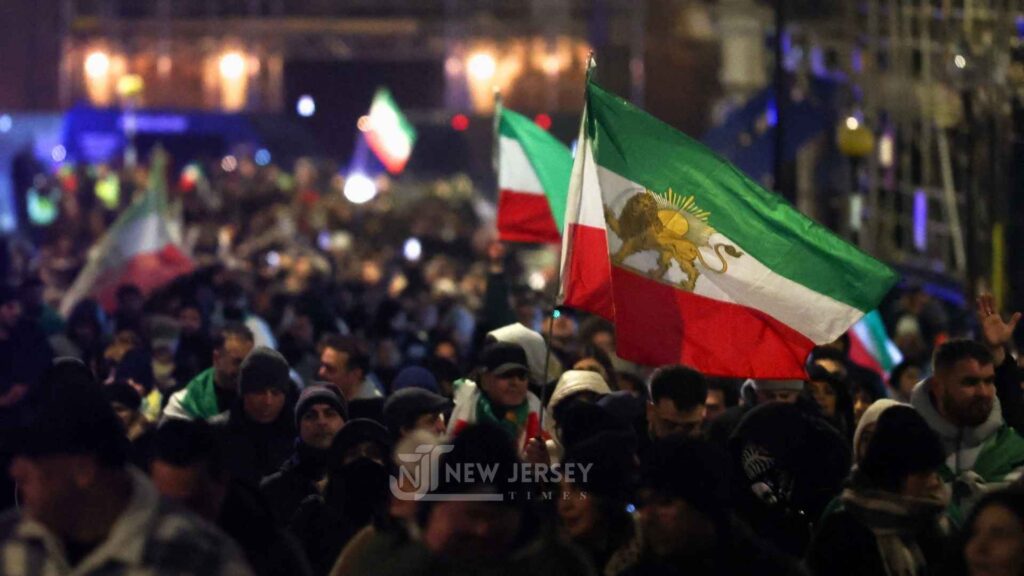
In Tehran, people are no longer pretending this is about prices alone.
Anger Hardens In The Streets
The protests began in late December, tied to economic pressure that has been building for years. Wages unpaid. Savings hollowed out. The familiar sense that the burden always falls on the same people.
Then the chants changed.

In city after city, demonstrators began naming Ali Khamenei directly. That shift matters. It always does. It turns a protest into a confrontation.
The cost has been steep. According to figures cited by international media and rights organizations, at least 51 people have been killed, including nine minors. Hundreds more have been wounded. In Fardis, west of Tehran, reports indicate security forces killed at least 10 protesters in a single day.
Those numbers are incomplete. Everyone involved knows it. With the internet largely cut, verification is slow and fragmentary. Families spoke briefly before connections dropped. Doctors talked about emergency rooms filling, then stopped answering messages. The silence itself has become part of the story.

And still, people return to the streets.
The State Stops Pretending
Iranian officials are no longer using cautious language. Protesters are now described as terrorists. Saboteurs. The implication is not subtle.
In a televised address, Khamenei said the country would not retreat, blaming foreign powers for the unrest. Since then, security forces have widened arrests and tightened their grip around universities and working-class districts where demonstrations have flared most often.
On Tuesday, the government staged its own show of force. Pro-government rallies were organized across major cities, with state television broadcasting images of flags, slogans, and crowds condemning the United States and Israel.
The message was intended for two audiences. Protesters at home. And critics abroad.
Washington Turns Up The Heat
From the White House, Donald Trump added pressure at exactly the wrong moment.
Trump said Iranian officials had reached out seeking talks. He then undercut that possibility almost immediately. “We may have to act before a meeting,” he said, warning that Iran could be hit “very hard where it hurts.” Ground troops, he added, were not on the table.
By Tuesday, Trump had been briefed on new military options, according to U.S. media reports. Those include cyber operations, tougher sanctions, expanded backing for opposition groups, and possible targeted strikes. Officials emphasized that no decision had been made.
In Tehran, the response was blunt. Iran’s parliamentary speaker said that if the United States strikes, American forces and Israel would be considered legitimate targets. The phrasing was familiar. The timing was not.
Pressure From Two Directions
Iran’s leadership is now facing a problem it has long feared. Domestic unrest that refuses to fade, paired with an external adversary signaling unpredictability.
For Washington, the protests offer leverage, but also danger. Public support for demonstrators plays well politically. Direct involvement risks giving Tehran exactly the narrative it wants.
For protesters, the calculation is darker. Some fear foreign intervention would poison their movement. Others believe outside pressure is the only thing that might slow the crackdown.
Neither side controls how this converges.
No Clean End In Sight
There are no clear exits here. Iranian authorities appear to be betting that isolation and fear will exhaust the streets. Trump appears content to let uncertainty do the work for him.

European governments are urging restraint. Regional powers are watching carefully. No one seems confident they can steer what comes next.
Inside Iran, the blackout has made the country harder to read. But the quiet does not feel like calm. It feels like compression.
And compressed anger tends to resurface when least expected.
New Jersey Times Is Your Source: The Latest In Politics, Entertainment, Business, Breaking News, And Other News. Please Follow Us On Facebook, Instagram, And Twitter To Receive Instantaneous Updates. Also Do Checkout Our Telegram Channel @Njtdotcom For Latest Updates.

Trained in war zones, raised in Newark, and seasoned in city hall, Jordan blends grit reporting with deep integrity. From floods to finance bills, they’re always first on scene and last to leave.