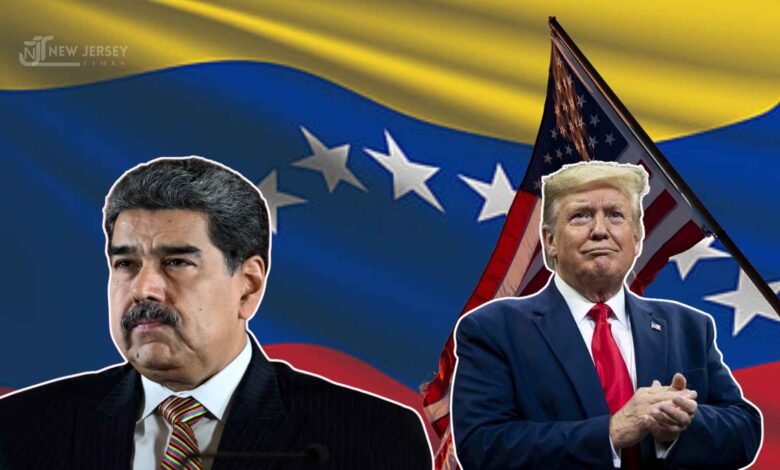
U.S. Strikes Venezuela as Trump Claims Maduro Captured in Overnight Assault
Explosions rock Caracas after U.S. airstrikes as Trump announces Maduro’s capture, triggering emergency rule and global alarm.

Caracas, January 3 EST: The first blast came deep in the night, the kind that doesn’t echo so much as it settles into your chest. By the third or fourth explosion, people across Caracas were already out of bed, standing in dark hallways, listening. In some neighborhoods, the power dropped without warning. In others, windows shook hard enough to rattle picture frames loose from walls. By dawn, the city knew something extraordinary had happened. What it didn’t yet know was that events were already spiraling far beyond Venezuela’s borders.

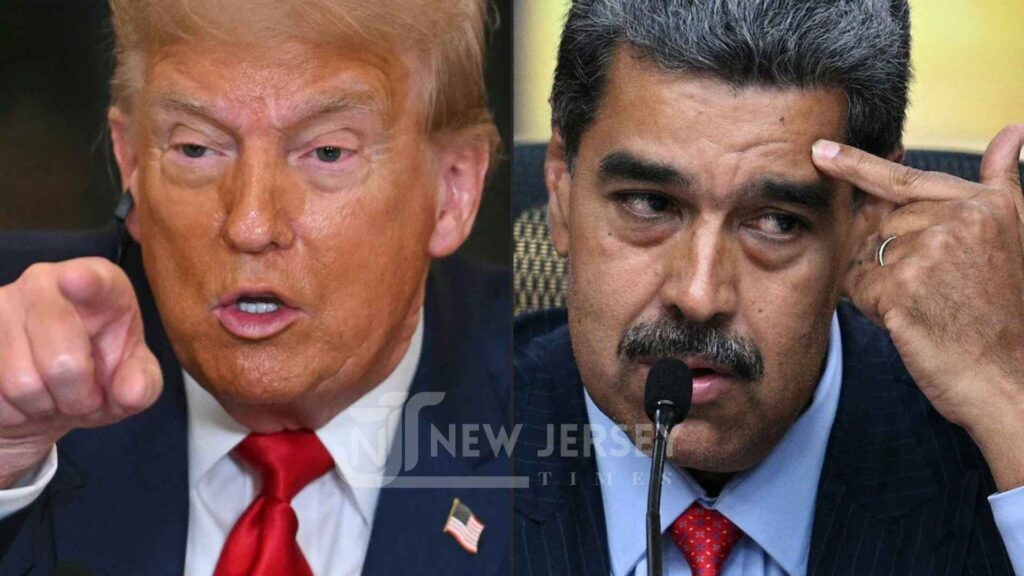
Several hours later, from Florida, Donald Trump posted a message that would snap the night into global focus. The United States, he wrote, had carried out a “large-scale strike” against Venezuela. He went further, claiming that Nicolás Maduro had been captured and was being flown out of the country.
There was no accompanying footage. No formal Pentagon briefing. Just a blunt declaration that instantly shifted the crisis from regional shock to international standoff.
A City Hit Without Warning
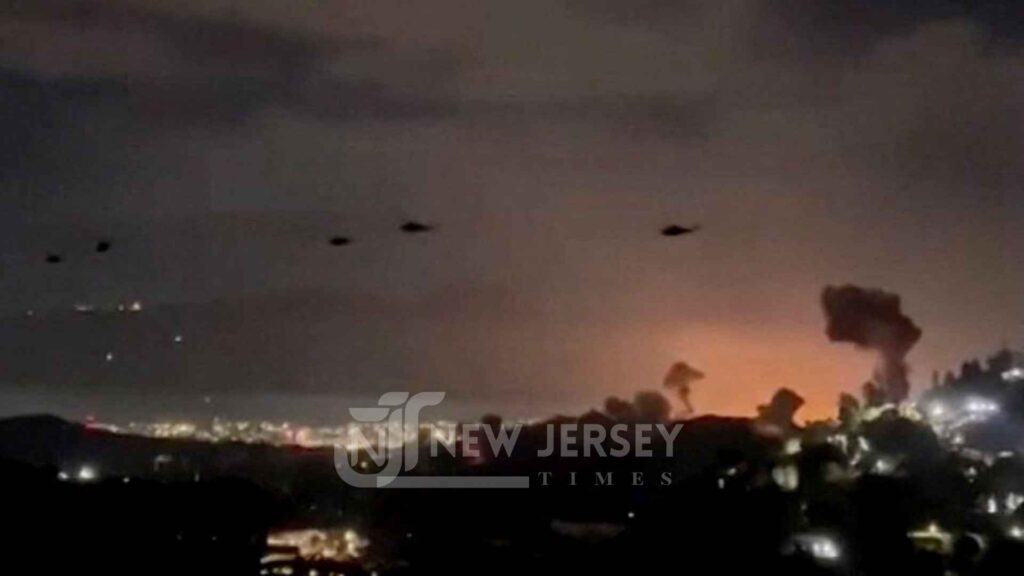
The explosions began around 2 a.m. local time. Residents described hearing low-flying aircraft slicing through the air moments before the blasts. According to BBC News, CNN, and NDTV, at least seven detonations were reported across the capital within a short span.
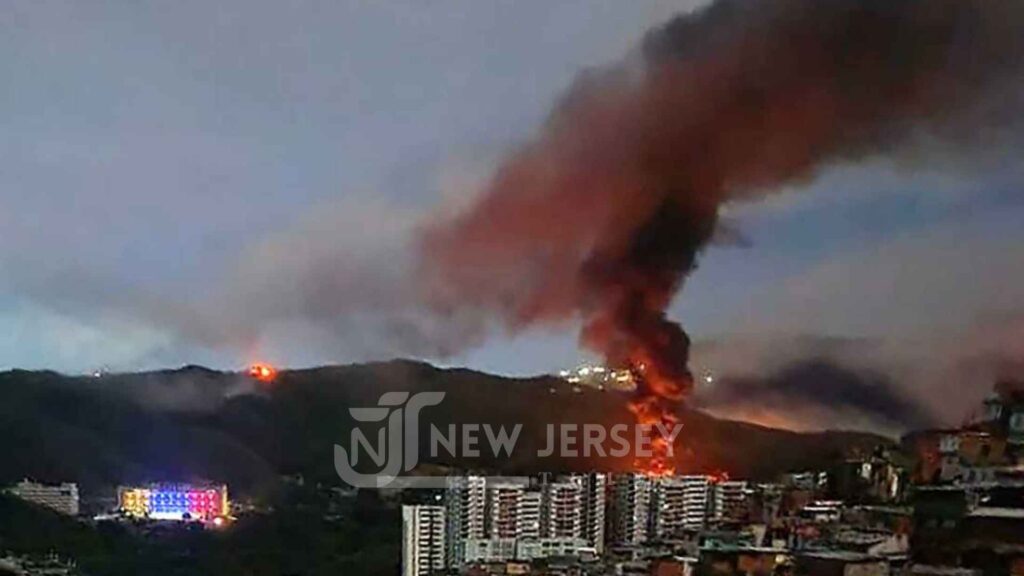
Videos later verified by international media showed fireballs punching through the night sky and thick smoke rising above military zones. People spilled into the streets in confusion. Some filmed. Others simply stood and listened, trying to tell whether the noise was moving closer or fading away.
U.S. aircraft and helicopters reportedly struck several of Venezuela’s most sensitive military sites. Among them were Fort Tiuna, the nerve center of the country’s armed forces, Miranda Airbase, La Carlota, the La Guaira port, and communications infrastructure at Cerro El Volcán. The strikes appeared tightly coordinated, hitting aviation, logistics, and communications in quick succession.
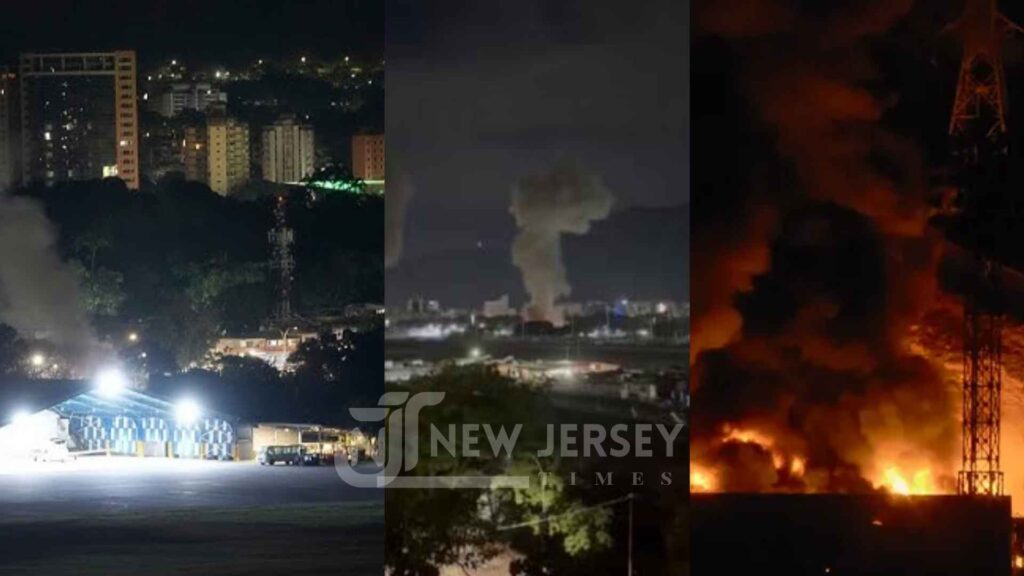
After roughly half an hour, the explosions stopped. Silence followed. Then came the rumors.
Large parts of southern Caracas were left without electricity. Cell service flickered. Social media filled the gap, amplifying everything from eyewitness accounts to outright speculation.
A Claim That Upended The Morning
Shortly after 4:30 a.m. Eastern time, Trump went public.
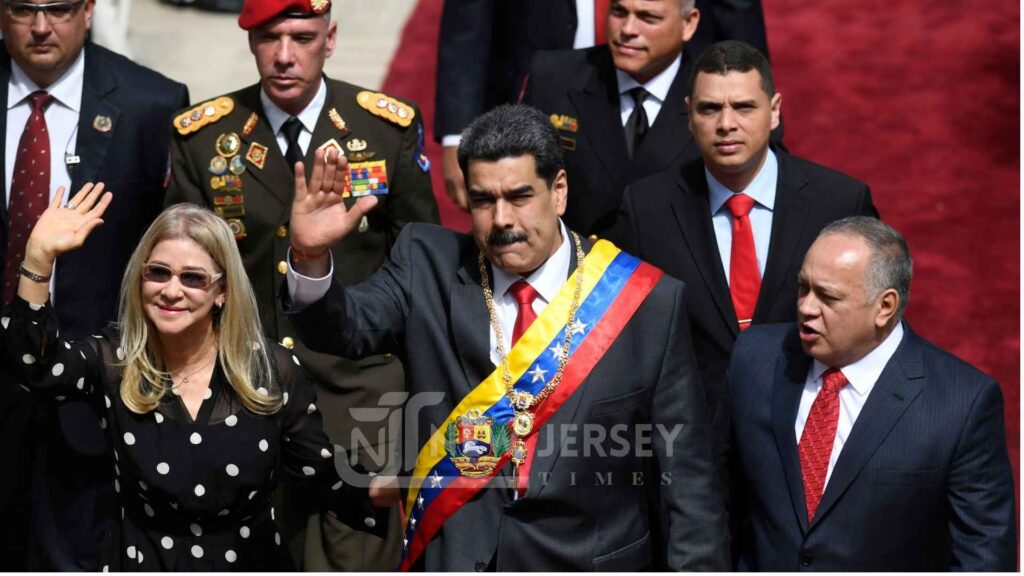
In his post, he said Maduro and his wife, Cilia Flores, had been captured during the operation. According to CBS News and The Wall Street Journal, U.S. officials later said the mission involved Delta Force and the 160th Special Operations Aviation Regiment, a unit known for high-risk extraction missions.
The operation, those officials said, was designed to unfold fast and overwhelm Venezuela’s ability to respond. Airstrikes would neutralize key defenses. Special forces would move in parallel.
Still, as the morning wore on, the absence of independent confirmation became impossible to ignore. Venezuelan authorities did not acknowledge Maduro’s capture. No images surfaced. And the Pentagon remained silent.
That silence mattered. Markets noticed. Diplomats noticed. So did Venezuelans, many of whom spent the morning refreshing news feeds, unsure whether their president was in custody or still in the country.
The Government Pushes Back
By sunrise, Venezuela’s response was unmistakable.
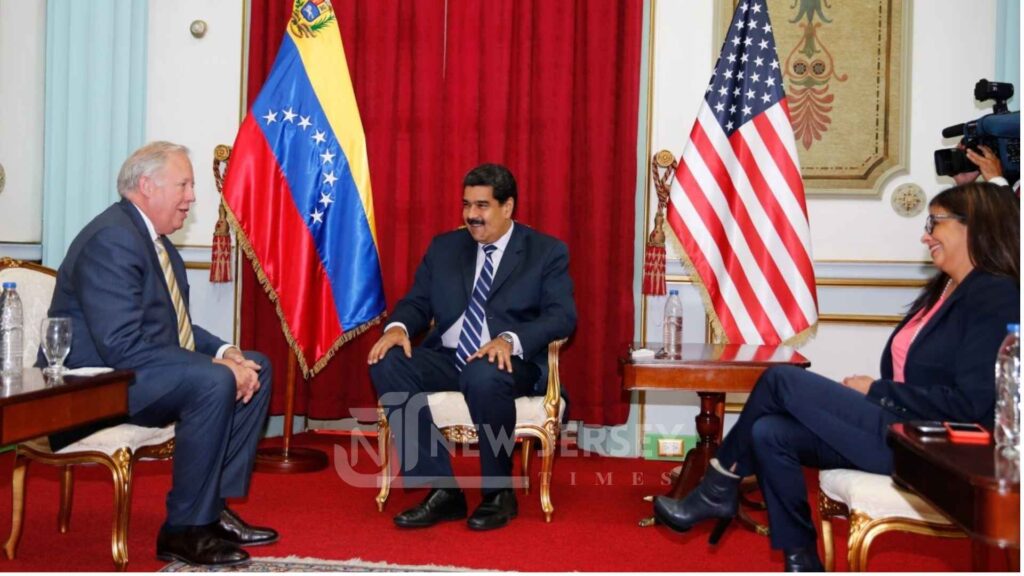
State television announced a nationwide state of emergency, condemning what officials called “criminal military aggression” and an “imperialist attack” by the United States. Government statements accused Washington of striking civilian as well as military infrastructure in Caracas, Miranda, Aragua, and La Guaira.
Defense Minister Vladimir Padrino López said authorities were still assessing casualties from what he described as missile and rocket strikes in urban areas. He offered no figures.
The language was fierce, but the mood on the ground was uneasy. People stocked up on food. Lines grew longer outside corner stores. Parents debated whether schools would open Monday.
Internationally, Venezuela requested an emergency session of the United Nations Security Council, arguing the strikes violated the UN Charter and endangered global peace, according to Al Jazeera.
The Federal Aviation Administration quickly barred U.S. aircraft from Venezuelan airspace, citing ongoing military activity. The U.S. Embassy in Caracas instructed Americans still in the country to shelter in place.
The Legal Spark Behind The Bombs
The military action followed a sharp legal escalation in Washington.
Earlier Friday, U.S. Attorney General Pam Bondi announced that Maduro and Flores had been charged in New York with conspiracy to commit narco-terrorism and illegal possession of automatic firearms, as reported by NBC News and CBS News.
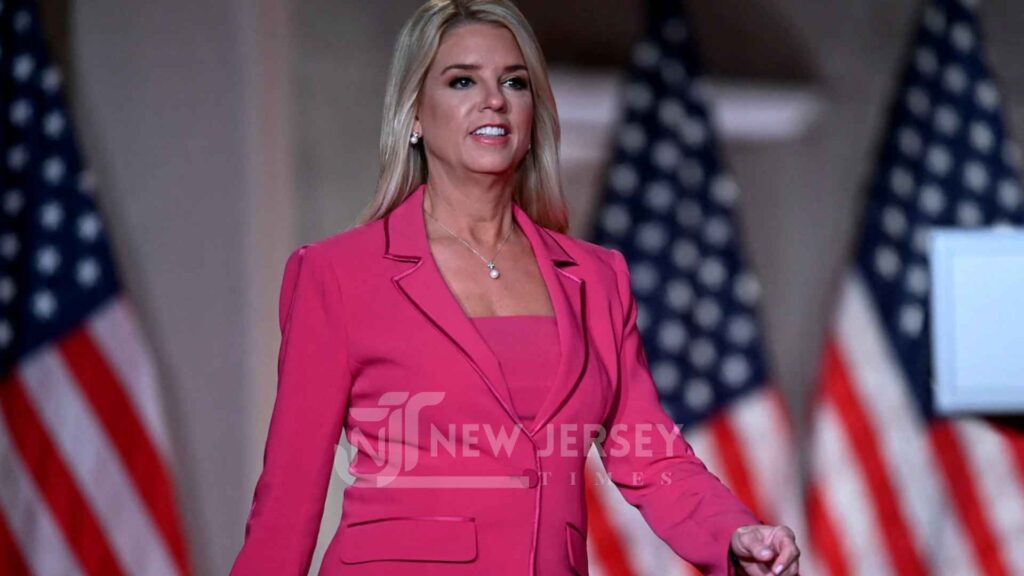
According to The New York Times, Trump approved the operation days before Christmas. Planners reportedly weighed launching it on December 25 before shifting focus to airstrikes against ISIS targets in Nigeria. Weather delays then pushed the Venezuela mission into January.
Even so, few experts anticipated a direct assault on Caracas, let alone a claim that the sitting president had been seized.
A Region Holding Its Breath
Across Latin America, governments reacted with unease. Some called for restraint. Others demanded immediate clarification from Washington. Several warned that the precedent could destabilize a region already under strain from economic crisis and mass migration.
Oil prices jumped as traders weighed the risk of disruption from one of the world’s largest crude producers. Inside Venezuela, the atmosphere remained tense and uncertain. Networks are strained under heavy use. Information came in fragments.
For now, much hinges on what comes next. Trump has said he will speak from Mar-a-Lago, but until verifiable details emerge, the world is left navigating claims without proof and silence where answers should be.
What is certain is this. The early hours of January 3, 2026, changed the trajectory of U.S.-Venezuela relations in a way few believed possible just days ago. Whether it marks a turning point or the start of something far more dangerous remains, for now, unresolved.
New Jersey Times Is Your Source: The Latest In Politics, Entertainment, Business, Breaking News, And Other News. Please Follow Us On Facebook, Instagram, And Twitter To Receive Instantaneous Updates. Also Do Checkout Our Telegram Channel @Njtdotcom For Latest Updates.

Trained in war zones, raised in Newark, and seasoned in city hall, Jordan blends grit reporting with deep integrity. From floods to finance bills, they’re always first on scene and last to leave.