Iran Threatens to Quit Nuclear Treaty if UN Sanctions Are Reimposed
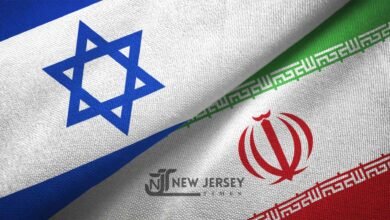
As tensions spike after Israeli strikes, Tehran signals it may leave the NPT, challenging decades of global nuclear order.

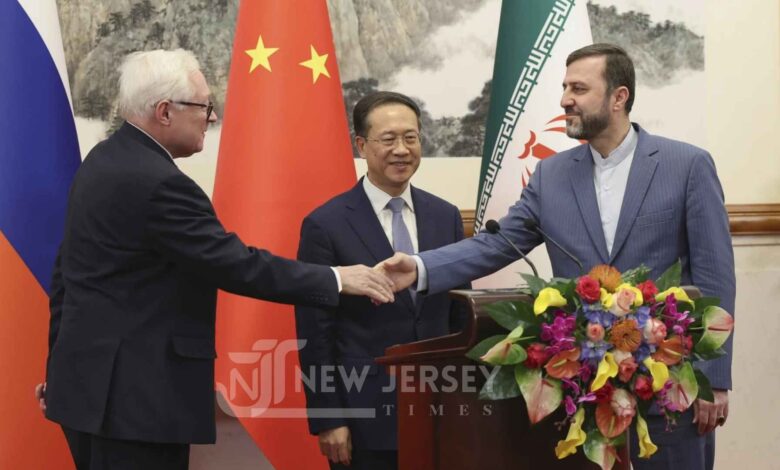
July 23 EST: Iran’s leadership is no longer speaking in code. After years of diplomatic dance and strategic ambiguity, Kazem Gharibabadi, the country’s lead nuclear negotiator and deputy foreign minister, made the regime’s position painfully clear: if the West triggers the snap-back mechanism under the 2015 nuclear deal, Tehran may walk away from the Nuclear Non-Proliferation Treaty altogether.


This is not idle posturing. It’s a historic threshold. If crossed, it would make Iran only the second nation to leave the treaty after North Korea’s 2003 exit, which was quickly followed by its first nuclear test.
But Iran’s threat is shaped by more than technical treaties. It’s being molded by missile debris, drone strikes, and years of fraying trust between Tehran and the West.
The Road to This Crisis Didn’t Start Last Week
While the current standoff is accelerating fast, its roots run deep.
The JCPOA, hailed in 2015 as a diplomatic triumph, was always a gamble: sanctions relief in exchange for verifiable limits on Iran’s nuclear program. But the deal began to unravel almost the moment it was signed. Donald Trump’s 2018 withdrawal, followed by a cascade of U.S. sanctions, sent Iran back to enrichment and the entire framework into slow collapse.
Then came the covert attacks. On June 22 of this year, coordinated airstrikes reportedly involving the U.S. and Israel damaged three key Iranian nuclear facilities, including Fordow and Natanz, where much of Iran’s most advanced enrichment work occurs. No state took public responsibility. Iran didn’t wait for attribution. Within weeks, its parliament locked down access for international inspectors and hardened its negotiating position.
And now, on the heels of these strikes, Tehran is daring Europe to push harder, knowing full well the consequences.
Europe’s Dilemma: Act or Absorb?
Britain, France, and Germany — known as the E3 — have made it clear they won’t wait indefinitely. If Iran doesn’t return to full compliance with its JCPOA obligations, the E3 plans to reimpose UN sanctions using the agreement’s original snap-back mechanism. That deadline is set for the end of August.
But here’s the trap: if Europe snaps back sanctions, Iran may walk out of the NPT. If Europe doesn’t, the JCPOA becomes meaningless. Either way, the diplomatic framework built painstakingly over a decade will disintegrate in full view.
Gharibabadi knows this. That’s why he’s turning up the volume. “Iran remains committed to peaceful cooperation,” he said this week. “But if snap-back is triggered, we will have no reason to remain bound.”
Translated: Iran sees no incentive to stay in a treaty that limits its power while offering little protection from sanctions or sabotage.
For Iran, the NPT Is No Longer Sacred
There was a time, not long ago, when even Iran’s hardliners respected the symbolism of the NPT. It was a way to assert legitimacy. A shield, even. But after multiple rounds of covert strikes and what Tehran views as bad-faith diplomacy, that legitimacy is in tatters.
Lawmakers in the Majles are already circulating draft legislation to exit the treaty, citing the Israeli attacks as the final straw. One senior MP reportedly called the NPT “a trap set by nuclear-armed states to keep others vulnerable.”
Their argument is blunt: if the world treats Iran like a nuclear pariah no matter what it signs, what’s the point of staying shackled to nonproliferation rules?
What Happens If Iran Exits?
The consequences would ripple far beyond Iran’s borders.
IAEA inspections would likely be halted. Intelligence visibility into Iran’s nuclear sites, limited as it already is, would vanish. Regional rivals, especially Saudi Arabia, would reassess their own security calculus. And in a Middle East already strained by proxy wars, shipping disruptions, and sectarian divisions, the exit of a major regional power from the NPT could be destabilizing in ways no sanctions regime could contain.
This would also gut what’s left of the West’s leverage. Without legal restraints or inspection protocols, pressure would shift from multilateral forums to unilateral deterrence. That means more sabotage, more brinkmanship, and potentially, more war.
A Cold Calculation, Not a Hot-Headed Bluff
What makes this moment especially dangerous is that Iran isn’t acting rashly. It’s acting strategically.
It has invited IAEA technicians back into the country, a move designed to show it hasn’t slammed the door on cooperation. But that invitation came with strings: restricted access, limited scope, and no guarantees.
Iran’s moves reflect not desperation, but a regime testing the limits of what the international community will tolerate before the whole structure falls apart. Tehran may believe it has more leverage now than it did even two years ago, when Washington was still trying to revive the JCPOA.
And it may be right.
The October 18 “Termination Day”, the date when all remaining UN sanctions under the JCPOA expire, is fast approaching. Any snap-back before then risks not just short-term escalation but the wholesale collapse of the post-deal nuclear order.
If that happens, the West will find itself with few tools left, except the same covert warfare and economic pressure that failed to stop Iran from reaching this point in the first place.
The Stakes Couldn’t Be Higher
What’s clear now is that this isn’t a return to 2015. That world is gone. The players are angrier. The stakes are higher. The ground rules are eroding in real time.
If Iran walks away from the NPT, it won’t be a breakdown. It will be a turning point, one that forces every power in the region and beyond to rethink what deterrence, diplomacy, and red lines look like in a post-deal era.
And it will raise one hard, simple question for the West: what comes after rules no longer apply?
New Jersey Times Is Your Source: The Latest In Politics, Entertainment, Business, Breaking News, And Other News. Please Follow Us On Facebook, Instagram, And Twitter To Receive Instantaneous Updates. Also Do Checkout Our Telegram Channel @Njtdotcom For Latest Updates.

A political science PhD who jumped the academic ship to cover real-time governance, Olivia is the East Coast's sharpest watchdog. She dissects power plays in Trenton and D.C. without bias or apology.