RFK Jr Sparks New Autism Debate With FDA Drug Approval and Tylenol Claims
Health Secretary RFK Jr announces FDA approval of leucovorin for autism while drawing fire for controversial remarks on Tylenol and vaccines.

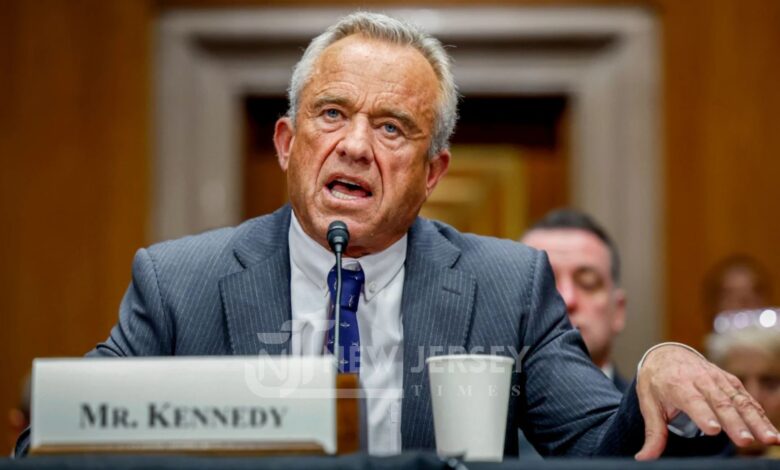
Washington, September 23 EST: Robert F. Kennedy Jr. has always thrived in the political gray zone, where personal conviction clashes with institutional orthodoxy. Now, as U.S. Health Secretary, he is testing just how far that instinct can stretch when wielding real power. In the span of days, Kennedy has simultaneously courted titans like Bill Gates, celebrated an FDA approval tied to his autism crusade, ignited outrage with remarks about Tylenol and pregnancy, and shaken the foundations of the CDC’s vaccine advisory system. It is a dizzying mix, part policy, part provocation, part power struggle.


A Truce With Gates That Isn’t One
Kennedy’s quiet July sit-down with Gates, revealed this week, is instructive. Gates called the meeting “constructive,” noting that the two “agreed to disagree” on vaccines. In Washington parlance, that is the polite version of a standoff. Gates has spent decades defending vaccination campaigns as a cornerstone of global health. Kennedy, by contrast, has built a movement by questioning their safety and necessity.
The handshake photo that never came out of that meeting speaks volumes: Kennedy wants the legitimacy that comes from engaging Gates, but not the compromise. Gates, meanwhile, can afford to look magnanimous. Both men walk away as they came in, pillars of opposing camps, but Kennedy now occupies the federal perch from which those disagreements carry policy weight.
Leucovorin: A Symbol More Than a Solution
Kennedy’s announcement of FDA approval for leucovorin — a supplement shown to help a narrow subset of children with autism linked to cerebral folate deficiency — landed like a vindication. To parents long searching for alternatives, it was a promise kept.
But as clinicians quickly noted, this is not a cure for autism, not even close. The benefits are modest, the eligible population small. That does not blunt its political utility. For Kennedy, leucovorin is less about the molecule itself than about the narrative: that the government can be moved to embrace treatments long dismissed by mainstream medicine. It is a symbolic rebuke to the institutions he accuses of indifference, even if science offers only cautious endorsement.
Tylenol, #MeToo, and the Cost of Improvisation
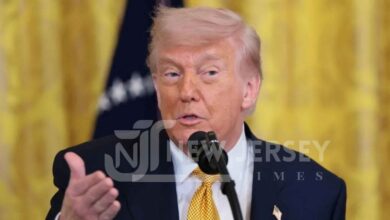
Then came the White House press conference with President Trump, where Kennedy veered into uncharted and self-inflicted controversy. Suggesting a link between Tylenol use in pregnancy and autism, he framed the claim through the #MeToo refrain, “believe women.”
On one level, Kennedy was attempting to recast anecdotal maternal concerns as worthy of policy consideration. On another, he blurred the line between evidence and empathy, drawing criticism from both scientists and survivors of sexual assault. The Daily Beast called it “bonkers.” His allies called it a gaffe. His critics saw something deeper: a willingness to subordinate medical rigor to rhetorical flourish.
History is full of officials who stumbled when they confused personal crusade with public mandate. Kennedy, whose family name once stood as shorthand for disciplined liberal governance, risks becoming the latest entry in that lineage.
A CDC Upended at the Worst Time
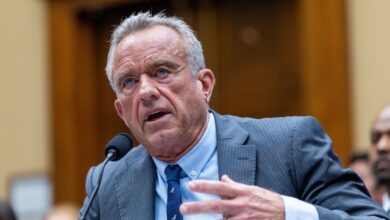
If Kennedy’s remarks were a momentary firestorm, his shake-up of the CDC’s vaccine advisory committees could have longer reverberations. He has dismissed seasoned members and installed what insiders describe as “rookie vaccine advisors.” Former CDC officials are warning of weakened preparedness heading into flu season, a prospect that should alarm even Kennedy’s most forgiving allies.
The move echoes earlier populist waves that sought to dislodge “elites” in favor of outsiders. Sometimes that injection of fresh blood yields renewal. Other times, it produces institutional paralysis. In a system where trust and technical expertise are currency, Kennedy is gambling that public skepticism of old hands outweighs the risks of inexperience.
The Kennedy Balancing Act
Robert F. Kennedy Jr. is not the first health secretary to battle skepticism from the scientific establishment. But unlike predecessors, he leans into it, casting himself as the tribune of parents and patients failed by the system. That posture electrifies his base, who see in him a truth-teller against pharmaceutical giants. It also isolates him in the very bureaucracy he now leads.
This tension, between outsider identity and insider authority, is the defining feature of Kennedy’s tenure. For now, President Trump is standing by him, framing Kennedy’s disruptions as necessary “drain the swamp” reforms. But power in Washington is not static. The same qualities that make Kennedy a hero to his supporters may, in the crucible of an outbreak or a policy failure, turn him into a liability.
The Kennedy name once carried with it an aura of technocratic competence married to moral mission. In 2025, under RFK Jr., it carries something more volatile: the promise of disruption without a clear endpoint. Whether that proves to be reform or recklessness is the question that now hovers over the nation’s public health apparatus.
New Jersey Times Is Your Source: The Latest In Politics, Entertainment, Business, Breaking News, And Other News. Please Follow Us On Facebook, Instagram, And Twitter To Receive Instantaneous Updates. Also Do Checkout Our Telegram Channel @Njtdotcom For Latest Updates.

A political science PhD who jumped the academic ship to cover real-time governance, Olivia is the East Coast's sharpest watchdog. She dissects power plays in Trenton and D.C. without bias or apology.