
Trump University Antisemitism Probes Face Scrutiny After Former DOJ Attorney Questions Evidence
A whistleblower complaint alleges some university investigations moved forward with little evidence, while the Justice Department strongly disputes the claims.

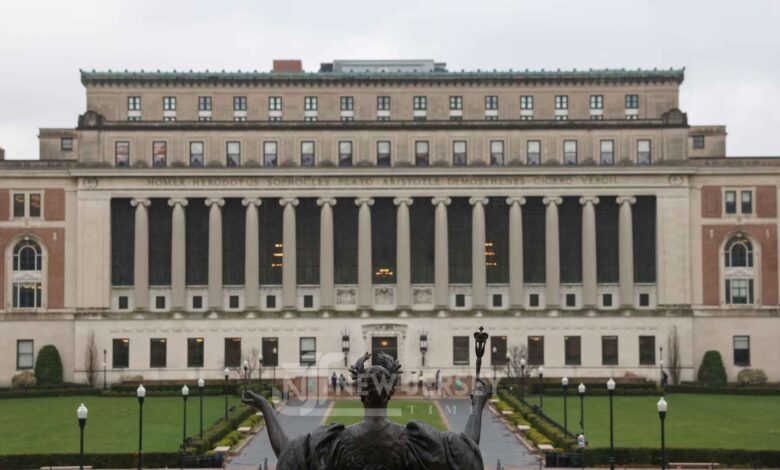
A former Justice Department attorney has accused the Trump administration of pushing ahead with antisemitism investigations at U.S. universities even when there was little evidence to support some of the cases.


Haley Van Erem, who previously worked as a career attorney in the Justice Department’s Civil Rights Division, made the allegations in a whistleblower complaint sent to the House Judiciary Committee. The complaint was made public on August 18, 2026.
Her account raises questions about how some of the investigations were opened, how decisions were made inside the government and whether officials were under pressure to reach conclusions before the facts had been properly established.
According to the complaint, some of the university probes were affected by unusual procedures and, in certain cases, appeared to begin with a preferred outcome already in mind. Van Erem’s lawyers said officials sometimes moved forward without a clear factual basis and ignored concerns raised by career employees about due process, free speech and the legal requirements that apply to civil rights investigations.
The Justice Department has rejected that characterisation.
A department spokesperson said Van Erem did not work on the university investigations and said the department continues to stand behind their integrity.
That leaves two sharply different versions of events. The complaint describes a process in which some career officials believed the normal safeguards of an investigation were being weakened. The department says the probes were properly handled.
The allegations have not been proven in court.
Career Officials Raised Questions About the Evidence
One of the most serious claims in the complaint is that some investigations may have been opened before officials had enough evidence to justify them.
Van Erem’s lawyers said she and other employees raised questions about whether the government had a proper legal and factual basis for pursuing certain universities.
Those questions were not always welcomed, according to the filing. Some employees who raised concerns or tried to record their objections were allegedly criticised, while others felt their warnings were simply ignored.
The complaint also says senior officials at the Justice Department and the Department of Health and Human Services moved away from investigative practices that had traditionally been used to protect fairness and legal compliance.
That matters because the stakes for universities were unusually high. Schools under investigation were not simply facing criticism from Washington. They were also facing threats to federal funding, pressure to change internal policies and, in some cases, demands for settlements.
Middle East Studies Professors Became Part of the Dispute
Another part of the complaint focuses on plans to interview professors in Middle East studies departments.
Some officials involved reportedly questioned why those academics were being singled out.
According to the complaint, there were concerns that the interviews were being considered not because of specific complaints against the professors, but because officials assumed people working in Middle East studies might hold antisemitic views.
For some employees, that crossed an uncomfortable line.
They believed the proposed interviews could be seen as an attempt to intimidate academics rather than simply gather facts.
The complaint says those concerns were rooted in fears that professors were being judged by the subject they taught rather than by evidence of misconduct.
That allegation is particularly sensitive because the government’s campaign against campus antisemitism has always been tied to another issue: free speech.
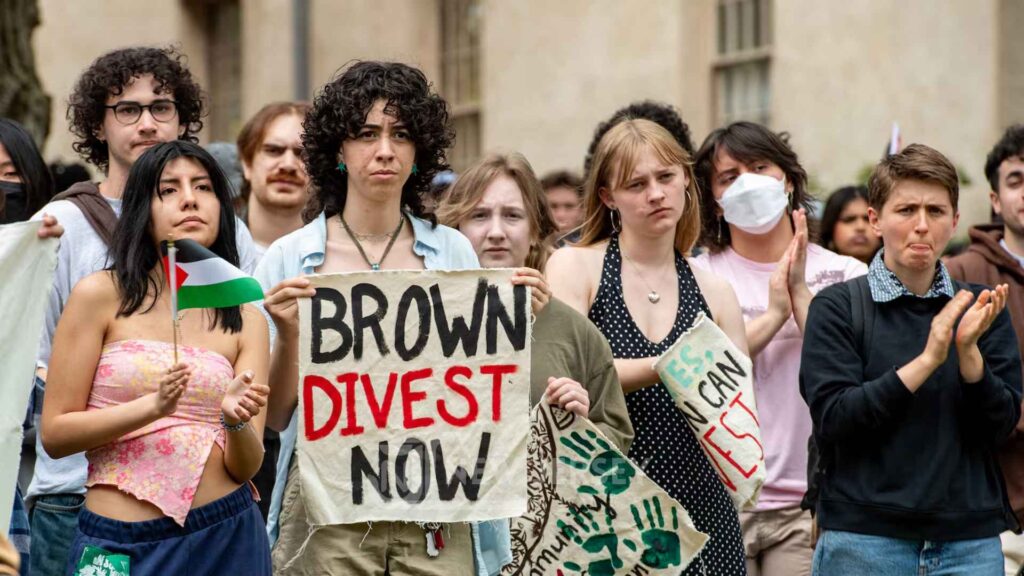
Universities have a duty to protect students from discrimination and harassment. At the same time, professors and students have the right to express political views, including views that may be controversial, unpopular or deeply critical of governments and institutions.
The difficulty is deciding when political speech becomes unlawful discrimination or harassment.
Anti-Muslim Bias Investigations Were Also Suggested
The complaint also says Van Erem and other officials suggested that the government examine allegations of anti-Muslim discrimination on university campuses.
Those suggestions were not taken up by senior leadership, according to the filing. That claim could lead to questions about whether the government was applying civil rights protections consistently.
If federal officials were aggressively examining antisemitism complaints while declining to pursue allegations involving anti-Muslim bias, lawmakers may want to know why.
The complaint does not, by itself, establish that the decisions were discriminatory. But it does raise a question about how cases were selected and what standards were being used.
Universities Have Been Under Intense Pressure From Washington
The allegations come after months of confrontation between the Trump administration and some of the country’s best-known universities.
The administration has accused universities of failing to protect Jewish students during protests linked to the war in Gaza and has used investigations, funding threats and settlement demands to pressure institutions to respond.
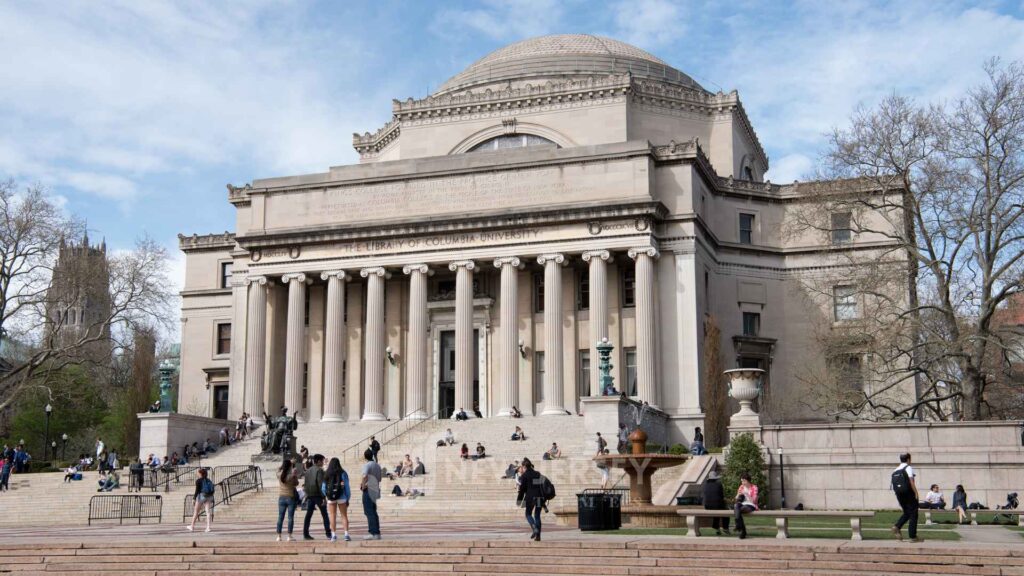
Columbia University reached an agreement with the federal government in 2025. It agreed to pay more than $200 million to resolve federal investigations and restore most of its federal funding.
Brown University also reached a settlement and agreed to provide $50 million for workforce development in Rhode Island.
Both universities have said they oppose discrimination.
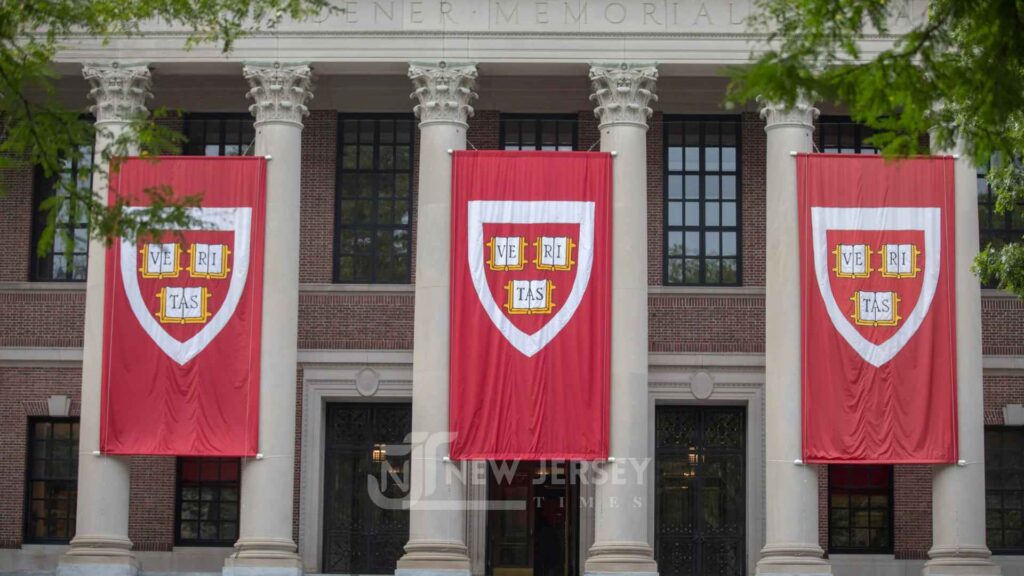
Harvard has taken a different position. It has not reached a similar deal and has previously described the administration’s actions as retaliation for refusing to give up its independence and constitutional rights.
The standoff has become about far more than university policy. It is now also a fight over how much power the federal government can use when universities depend heavily on federal money.
The Debate Over Campus Antisemitism Remains Deeply Divided
At the heart of the controversy are the protests that spread across U.S. campuses after the war in Gaza began.
The Trump administration has said some of those protests included antisemitic conduct and, in some cases, support for extremist groups.
Many protesters and civil rights advocates reject the idea that criticism of Israel or support for Palestinian rights should automatically be treated as antisemitism. Some Jewish organisations have made the same argument.
Others, however, have said Jewish students have faced real intimidation and hostility on campuses and that universities have sometimes failed to respond strongly enough.
Both concerns can exist at the same time.
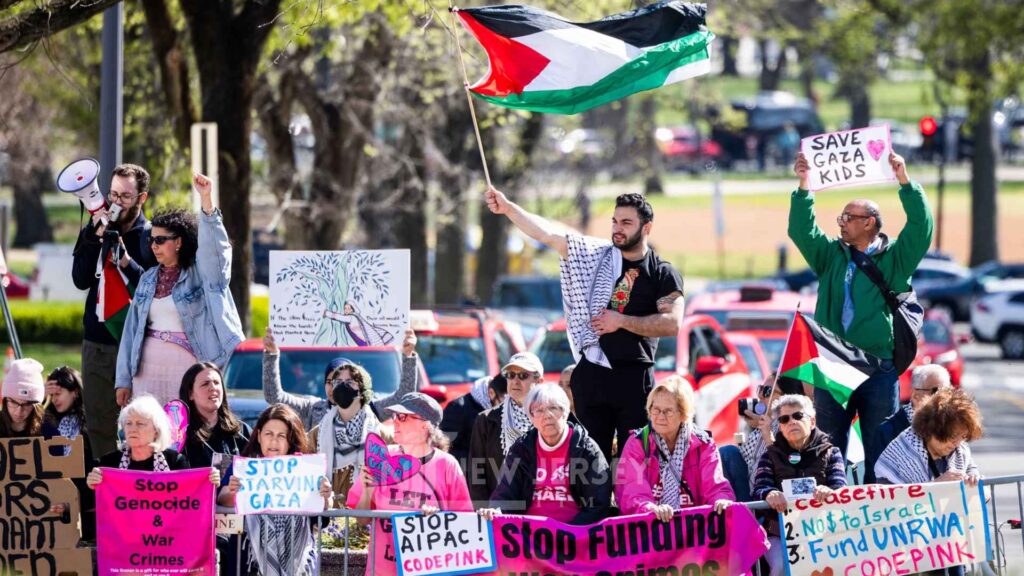
There can be genuine antisemitism on campuses, and there can also be political speech about Israel, Gaza and Palestinian rights that is protected even when people strongly disagree with it.
The legal and political battle is over where that line should be drawn.
What Happens Next
The whistleblower complaint is unlikely to end the argument. If anything, it may widen it. Lawmakers could now seek internal emails, investigative records and testimony from officials who were directly involved in the university probes.
Those records could help answer a basic question: were these investigations built on evidence, or were officials being pushed toward a result from the start?
The Justice Department says the investigations were legitimate. Van Erem’s complaint says some career officials believed otherwise.
For universities, students and academics caught in the middle, the issue is larger than any single investigation. It is about whether the government can fight discrimination without weakening due process, academic freedom or the right to political speech.
That balance has always been difficult. The new allegations suggest the argument over whether the administration got it right is far from over.
New Jersey Times Is Your Source: The Latest In Politics, Entertainment, Business, Breaking News, And Other News. Please Follow Us On Facebook, Instagram, And Twitter To Receive Instantaneous Updates. Also Do Checkout Our Telegram Channel @Njtdotcom For Latest Updates.

Trained in war zones, raised in Newark, and seasoned in city hall, Jordan blends grit reporting with deep integrity. From floods to finance bills, they’re always first on scene and last to leave.