
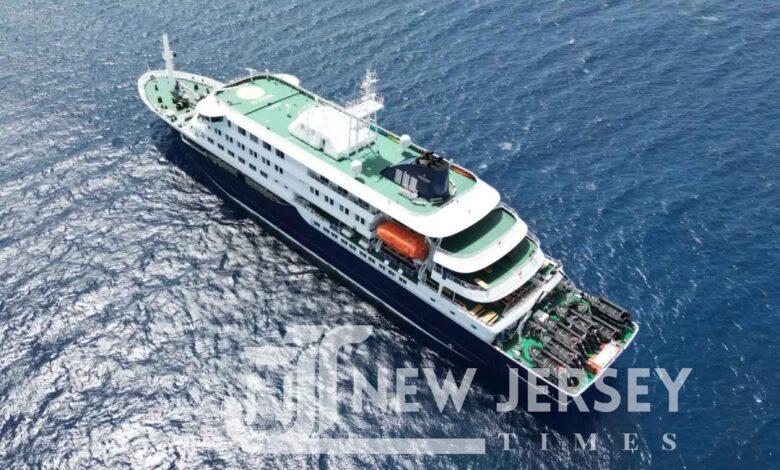
Praia, Cape Verde, May 8: Picture a luxury polar expedition ship leaving Argentina.
114 passengers. All excited. Birdwatching. Antarctic exploration. The trip of a lifetime.
Dutch, British, American, Spanish. They’ve saved for years. This was supposed to be perfect.
By April 11, one passenger is dead.
A 70-year-old Dutch man. Fever. Headache. Dead within days. His body is stored on the ship.
The captain tells everyone the ship is “not infectious.” Nobody knows if that’s true.
By April 24, things are falling apart. Another passenger gets sick. Then another.
A woman leaves the ship. Flies to Johannesburg. Dies in the airport terminal.
A British passenger gets airlifted. Critical condition. A German national shows symptoms.
The diagnosis hits like a bomb: hantavirus.
Not just any strain. The Andes variant. The one that spreads human to human.
And it’s spreading across the globe right now.
Passengers scattered everywhere. Five U.S. states. Canada. France. Switzerland. Singapore. Australia.
23 different countries. Six continents.
Nobody knows how many are infected. Nobody knows who’s contagious. Nobody knows where this ends.
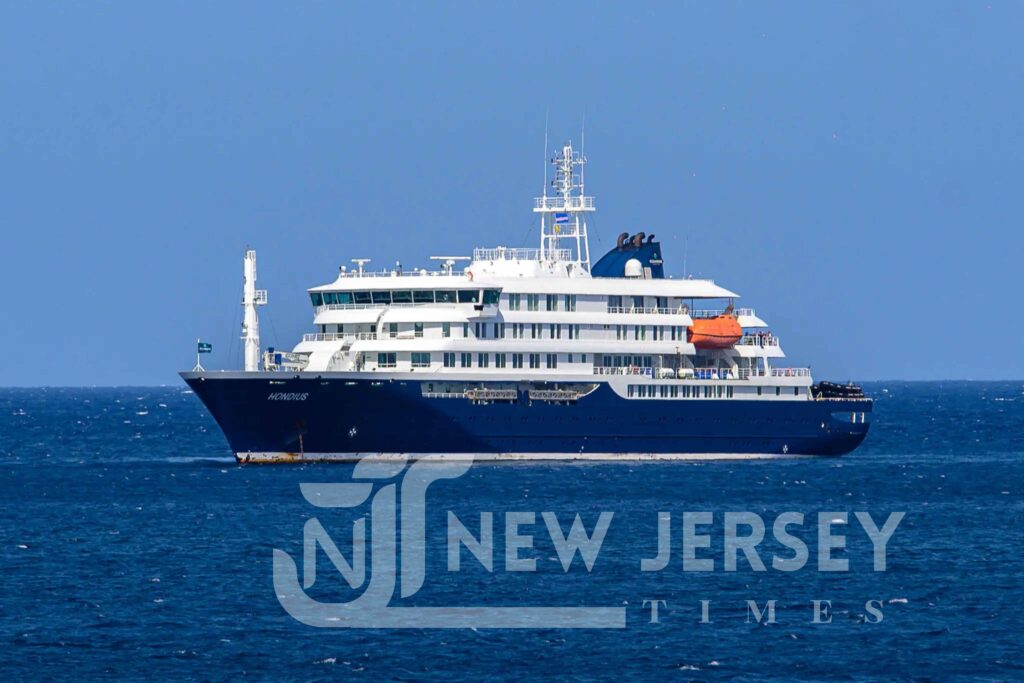
The ship, the MV Hondius, is anchored off Cape Verde. Passengers can’t leave.
It wanted to dock in Tenerife, Spain. The island president said absolutely not. He wasn’t risking another pandemic.
This is the moment ghost hantavirus became real.
Not theory. Not something that might happen someday. But a 147-person floating petri dish spreading a deadly pathogen.
This is what happens when a virus jumps from rodents to humans.
This is what happens when person-to-person transmission enters the picture.
And we weren’t ready for it.
What We’re Learning From The Hondius
You’ve probably never heard of ghost hantavirus. Most people haven’t.
But the MV Hondius changed that. A polar expedition ship left Argentina on April 1.
114 excited tourists. Became the nightmare scenario nobody saw coming.
It’s not Sin Nombre. That was the 1993 strain. This is the Andes variant. This spreads human to human.
The ship traveled from Ushuaia, Argentina. Toward Antarctica. Toward remote South Atlantic islands.
Passengers paid thousands. For birdwatching. For wilderness. For an experience most people never get.
Instead, they became vectors for a virus that touched dozens of countries.
You can’t see it coming. That’s the problem.
One passenger contracted the Andes strain during a birdwatching expedition in remote South America.
Maybe observing birds in brush near contaminated rodent areas. Maybe aerosol exposure to dust.
The exact moment doesn’t matter anymore.
What matters is the virus got aboard a ship with 114 people in close quarters for weeks.
That’s when everything changed.
By April 15, six more passengers boarded at Tristan da Cunha.
A floating community with no hantavirus history suddenly had exposure.
By April 24, passengers disembarked in Saint Helena.
A British passenger showed symptoms. A woman left feeling sick. Boarded a flight to Johannesburg.
She died in the airport terminal.
The airline didn’t know. Neither did the other passengers.
Science News and ProMED published exhaustive case reports. The timeline is horrifying.
Each step shows how a single infected person becomes a global emergency.
The Andes Strain Is Different

Hantaviruses have been around forever.
Every continent. Humans infected for decades. Mostly outdoor exposure.
But the Andes strain on the MV Hondius is different.
This one spreads human to human.
Person-to-person transmission is extremely rare. Incredibly uncommon.
But it happens with Andes. In close quarters. On ships.
When symptoms first appeared, nobody looked for hantavirus.
Why would they? This doesn’t spread on cruise ships.
Except now it does.
The CDC and HealthMap confirmed this changed everything. It’s not just an outdoor hazard anymore.
It’s a global threat.
How Many Are Infected?
As of May 7: five confirmed cases.
Three deaths confirmed or probable.
Eight suspected cases under investigation.
But those are just people showing symptoms.
What about asymptomatic carriers? People still in the incubation window?
Andes incubation is one to five weeks. Ship departed April 1. Some passengers still in the window.
Thirty passengers disembarked at Saint Helena on April 24.
From 12 different countries. Scattered to five U.S. states: Arizona, California, Georgia, Texas, Virginia.
Two Singaporean residents self-isolating and tested. One with mild symptoms. One asymptomatic.
A Canadian flight attendant hospitalized. Wasn’t even on the ship. Close contact of a confirmed case.
Eight French nationals under investigation. Same flight as a confirmed case.
U.S. health authorities monitoring passengers across multiple states.
No symptoms yet. But the window is open.
Switzerland confirmed a passenger hospitalized in Zurich.
Nobody knows the actual total. The outbreak wasn’t recognized until April 24 when the first died.
By then, the ship had docked multiple times. Passengers disembarked. People boarded flights.
The trail is impossible to fully trace.
Understanding The Mechanics
The virus travels through the air initially.
Contact with infected rodents in South America.
But that’s not what killed the MV Hondius patients.
They died from human-to-human transmission.
Close contact. Respiratory droplets possibly. Bodily fluids potentially.
The exact pathway isn’t clear. Andes transmission is so rare.
What we know: one person infected multiple people in an enclosed ship.
That should terrify everyone in public health.
What The Symptoms Feel Like
Symptoms appear one to five weeks after exposure.
At first it’s like the worst flu ever.
Fever. Total exhaustion. Muscle aches in thighs, hips, lower back. Headache. Dizziness. Nausea.
Pretty standard virus stuff.
Doctors don’t think hantavirus.
Then it changes. Fast.
Within days. Sometimes 48 hours. Suddenly can’t breathe.
Coughing. Chest pain. Lungs filling with fluid.
Now you need a hospital bed. Oxygen. Probably a ventilator.
The first MV Hondius patient developed fever, headache, abdominal pain, diarrhea.
Classic flu-like illness. Nothing screams “deadly virus.”
Ship medics probably thought food poisoning. Gastroenteritis. Millions of cruise passengers get that.
Then it changed. Within days.
Fever progressed. Respiratory symptoms. Pneumonia. Acute respiratory distress.
April 11. He was dead.
The second patient noticed symptoms April 24.
Felt sick enough to disembark at Saint Helena. Felt okay enough to fly to Johannesburg.
Felt bad enough to seek care when she landed.
Died 48 hours later in the hospital.
The third patient was airlifted from Ascension Island.
Critically ill. Now in intensive care in South Africa.
The progression is always the same.
Systemic illness first. Respiratory failure second. Death third.
Window between symptom onset and failure is measured in days.
Sometimes just 48 hours.
Why Doctors Miss It
Doctors outside South America don’t know hantavirus exists.
Or think it’s rural areas only. Outdoor workers only.
The Canadian flight attendant showed symptoms.
Tested for COVID-19. Influenza. RSV. Nobody tested for hantavirus.
Not until someone realized she’d been exposed on the flight.
The British passenger was airlifted to intensive care.
How many tests ran before someone thought “hantavirus”?
This is the real danger. Not the virus itself.
But doctors aren’t thinking about it.
A passenger disembarks in California.
Fever and muscle aches. Visits an ER. Gets sent home with flu diagnosis.
Days later, respiratory failure.
By then, how many people have they exposed?
Medical education in hantavirus diagnosis is almost nonexistent outside endemic regions.
Physicians trained in developed countries may never see a case.
Until now. Until the MV Hondius changed the game.
The Surveillance Problem

University of New Mexico studied hantavirus for decades.
Tracked variants. Monitored rodent populations. Documented spillovers.
But nothing prepared them for a cruise ship outbreak with person-to-person transmission.
Standard surveillance relies on doctors recognizing the disease.
Hantavirus is so rare outside the Southwest that doctors don’t look for it.
First passenger died April 11. Outbreak recognized April 24.
That’s 13 days the virus spread undetected on a cruise ship.
13 days of close contact between potentially infected passengers.
13 days of shared ventilation systems. Shared dining. Shared cabins.
13 days where it could have been contained.
When finally identified, the ship had already dispersed passengers to multiple ports.
The birds were out of the cage.
We’re Undercounting Cases
Official count is eight cases. Five confirmed. Three probable. But what about people who contracted the virus and haven’t shown symptoms yet? Still in the incubation window right now. What about passengers who felt slightly sick but didn’t seek care? What about crew exposed but not tested? What about contacts of contacts? Flight passengers? Hotel staff in Johannesburg? Retrospective analysis will likely reveal the count is an underestimate. By how much? Nobody knows yet.
What Researchers Want
Complete contact tracing of every person who contacted MV Hondius passengers. Enhanced surveillance in non-endemic regions for unusual respiratory illness. Medical education campaigns so doctors worldwide know to test for hantavirus. Isolation and quarantine protocols for confirmed and probable cases. International coordination of testing and reporting. None require new technology. They require will, resources, and speed. The window is closing. Some passengers still in incubation. If they travel. If they have close contact. The outbreak spreads further. The clock is ticking.
What are the initial symptoms of hantavirus infection?
One to five weeks after exposure. Feels like the worst flu ever.
Fever. Exhaustion. Muscle aches in thighs, hips, lower back. Headache. Dizziness. Nausea. Vomiting and diarrhea common. That’s the early phase. Looks like any virus.
Doctors don’t think hantavirus. Then it changes. Within days. Sometimes 48 hours. Suddenly can’t breathe. Coughing. Chest pain. Lungs filling with fluid. Need a hospital bed. Oxygen. Ventilator. The hantavirus progression saves you or kills you.
Recognize the pattern and seek care early? You survive.
Wait until respiratory phase? Mortality spikes dramatically.
MV Hondius patients didn’t seek care fast enough. Or care wasn’t aggressive enough. Outcome was the same.
How is hantavirus transmitted to humans from rodents?
Through the air. Infected rodent droppings, urine, or nesting material dry out. Break down into microscopic particles.
Person in same enclosed space breathes them in. Virus reaches lungs.
Works in cabins, sheds, attics, warehouses. Anywhere with poor ventilation where rodents live. Even a few minutes matters. CDC is clear: brief contact in confined spaces poses genuine risk.
Outdoors, contaminated soil can aerosolize. Digging or camping on infected ground.
MV Hondius passenger likely contracted the virus during a birdwatching expedition in remote South America.
Probably brush where rodents nested. Probably aerosol exposure to dust.
The transmission mechanism from rodents to humans doesn’t require drama.
Just dust and air and lungs.
Where can I buy certified PPE kits for hantavirus safety?
N95 respirators. Need NIOSH certification. Means they’ve been tested and work.
Medical supply places. Online retailers. Pharmacies. Look for the NIOSH mark.
For serious rodent contamination, hire professionals. Proper equipment. Proper protocols. Proper respirators. Professional wildlife removal companies exist in most regions. Best bet for anything serious. Standard surgical masks are useless.
You need real respiratory protection. N95, N99, or P100. Gloves matter. Nitrile or latex. DIY cleanup carries genuine risk. Most people don’t do it right.
For person-to-person transmission like MV Hondius, traditional PPE becomes less relevant. Isolation becomes the primary tool.
Are there any commercial hantavirus testing kits available for home use?
No. Testing requires a lab. Blood sample. Serological tests. PCR testing.
A doctor orders it. You can’t do it yourself.
Home environmental testing doesn’t exist as a consumer product.
Requires specialized equipment and expertise regular people don’t have.
If exposed and developing symptoms, see a doctor immediately.
Don’t buy something online and try to figure it out yourself.
That’s just asking for trouble. Mentioning exposure is crucial. Include timing of exposure. Location details. Contact with potentially infected people or contaminated materials. That history triggers proper hantavirus testing.
What are the top-rated air purifiers for removing airborne hantavirus particles?
That question is less relevant now. HEPA filters work in lab conditions for removing airborne particles.
But Andes transmission is more complex than simple airborne spread.
One air purifier can’t protect your whole house.
Effectiveness depends on room size, air circulation, filter changes.
If you have a contaminated area with rodents, the real fix is eliminating the population.
CDC says: source control beats filtration every time. For person-to-person transmission exposure like MV Hondius, isolation is the only real protection.
Stay away from potentially infected people. Avoid close contact. Don’t share respiratory space. Air purifiers provide false security. They don’t address actual transmission routes. Source control matters. Isolation matters. Testing matters. Air purifiers don’t.
The Bigger Question
Epidemiologists are kept awake by this: the MV Hondius proves hantavirus is no longer just rodent-to-human. It’s human-to-human now. That changes everything. How many other locations have the Andes strain? How many outbreaks are happening right now that we don’t know about? If this happened on one cruise ship, could it happen on others?
Nobody Fully Knows
Researchers at the CDC and WHO are being honest. Gene sequencing is so powerful scientists identify viral species never seen before. But discovery rate has outpaced preparedness rate. The MV Hondius proves pandemic-potential pathogens are already out there. Not hypothetical. Real. Circulating. Jumping between species and humans. We’re discovering pathogens faster than we prepare for them.
The Message From Public Health
Health officials worldwide repeat the same message. Know the hantavirus symptoms. Know your exposure risks if on cruise ships or close contact with travelers. Fever, muscle aches, headache, gastrointestinal symptoms? Mention recent travel to your doctor. Get tested if exposure suspected. Isolate if infection confirmed. That’s the advice. Straightforward. The question is whether anyone follows it in time.
The Real Storm
A virus nobody watched for on ships. Passengers dispersing across six continents before anyone knew. Medical systems in multiple countries racing to identify cases. Contact tracing impossible with dozens of flights and hotels. Person-to-person transmission of a virus that kills one in three. That’s the storm public health officials deal with now. And we still don’t know the full extent.
Looking Forward
Coming weeks determine if the MV Hondius outbreak gets contained. Surveillance ramping up. International coordination improving. But passengers dispersed days ago. Incubation period still open for many exposed. Testing protocols need established in dozens of countries. Healthcare providers need to learn about hantavirus. Public awareness needs to increase. But there’s no time. Things are already happening. Cases identified. Contacts traced.
The Good News
There is none. Not really. Hantavirus person-to-person transmission is real. It’s happening. It’s spreading. The mediocre news is it’s not as contagious as COVID-19. Not easily transmitted as influenza. But it kills one in three people who get it. And we have no specific treatment. No vaccine for the general population. That’s the situation we’re in now.
Take Away Messages
Hantavirus is no longer just an outdoor risk. It’s a global threat. Hantavirus symptoms mimic flu at first. The respiratory phase comes later. Fast. Person-to-person transmission is rare but real. Early medical care saves lives. Hours matter. This is the moment we should have been preparing for. We weren’t ready. The MV Hondius changed everything. Now the question is whether we learn from it in time.
New Jersey Times Is Your Source: The Latest In Politics, Entertainment, Business, Breaking News, And Other News. Please Follow Us On Facebook, Instagram, And Twitter To Receive Instantaneous Updates. Also Do Checkout Our Telegram Channel @Njtdotcom For Latest Updates.

A Wall Street veteran turned investigative journalist, Marcus brings over two decades of financial insight into boardrooms, IPOs, corporate chess games, and economic undercurrents. Known for asking uncomfortable questions in comfortable suits.

Trained in war zones, raised in Newark, and seasoned in city hall, Jordan blends grit reporting with deep integrity. From floods to finance bills, they’re always first on scene and last to leave.