Reba McEntire Stops Live Today Interview To Correct Savannah Guthrie
A quick correction on national TV turned into the most-shared moment of the morning after Savannah Guthrie accidentally promoted Rex Linn from fiancé to “husband.”

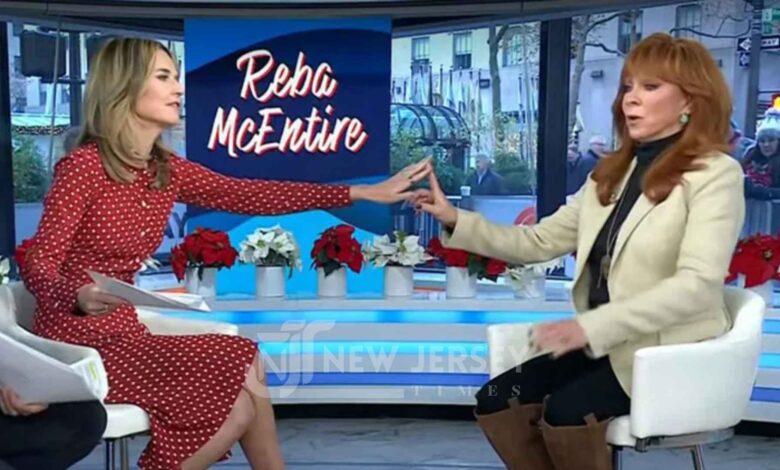
Trenton, December 1 EST: The Tuesday morning broadcast of NBC’s Today was rolling along quietly when Reba McEntire did something many celebrities wouldn’t risk doing live on air: she hit the brakes on a friendly interview to correct the language being used about her personal life. It happened fast. Savannah Guthrie, while tossing out a question about Happy’s Place, referred to Rex Linn as McEntire’s “husband.”


According to People, McEntire didn’t wait for a natural opening. She cut in with an easy half-laugh, the kind that signals warmth but also leaves no wiggle room. “We’re engaged,” she reminded Guthrie, adding that calling him her husband would get her relatives “stirred up” before she even made it back to her dressing room.
A Quick Reaction Shot That Made The Moment Stick
What pushed the exchange into the spotlight wasn’t only the correction itself, but the timing of the camera switch. Producers cut immediately to Linn, who was appearing remotely. As People notes, he froze just long enough for viewers to notice before he broke into a grin. The whole thing felt spontaneous in a way morning TV rarely does.
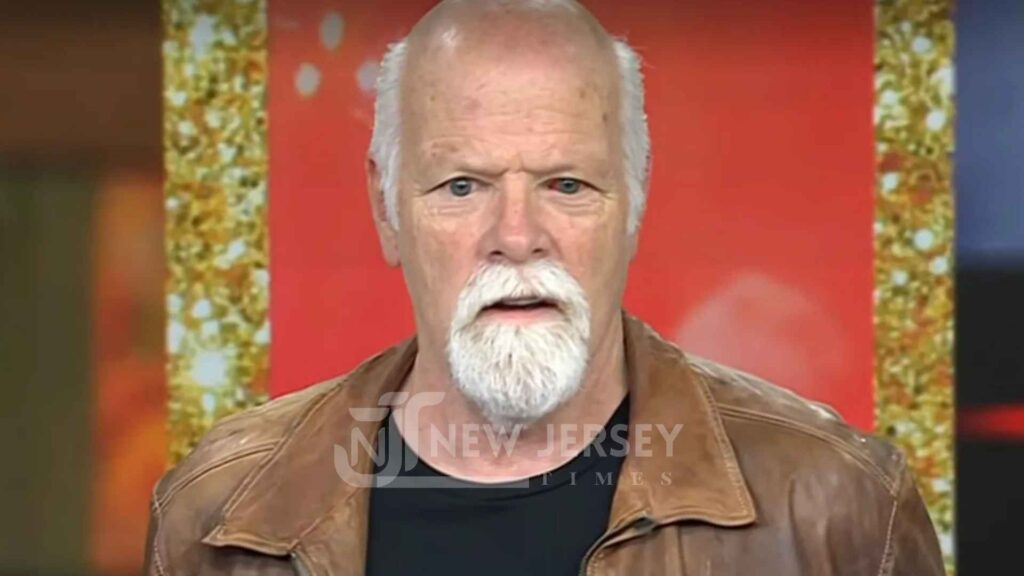
There wasn’t a hint of awkwardness, but the surprise on his face was the kind of expression that gets replayed, screenshotted, commented on, and within minutes circulated across entertainment accounts and fan pages.
The Mix-Up Happened During A Routine Promo Chat
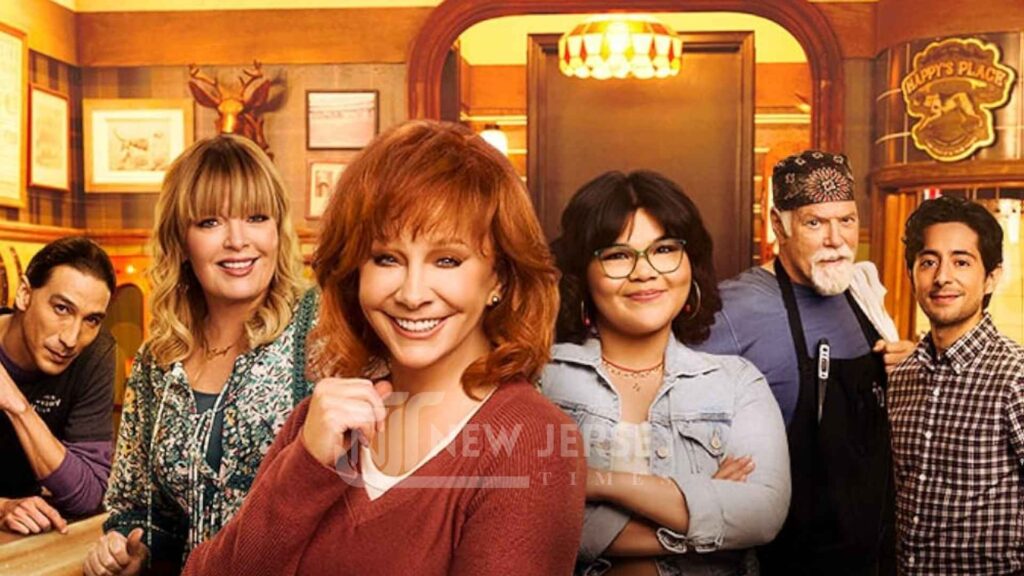
The irony is that the interview was supposed to focus on Happy’s Place, the sitcom the two co-star in. Season 2 is underway, and this appearance was part of the usual mid-season push.
TV Insider reported that McEntire had just finished describing Linn as an “absolute blast” to work with. She’d been talking about the tone on set, the back-and-forth timing they’ve developed, and how the new season leans even more into their dynamic. The relationship question wasn’t even the thrust of the conversation it was a passing reference that redirected the entire energy of the segment.
Why A Single Word Travels So Far In Celebrity Coverage
To most people, mistaking “fiancé” for “husband” probably wouldn’t register as a major blunder. But in celebrity culture, titles matter. Fans follow these details closely; they mark timelines, anniversaries, breakups, reconciliations. And McEntire’s relationship history has long been part of how audiences relate to her.
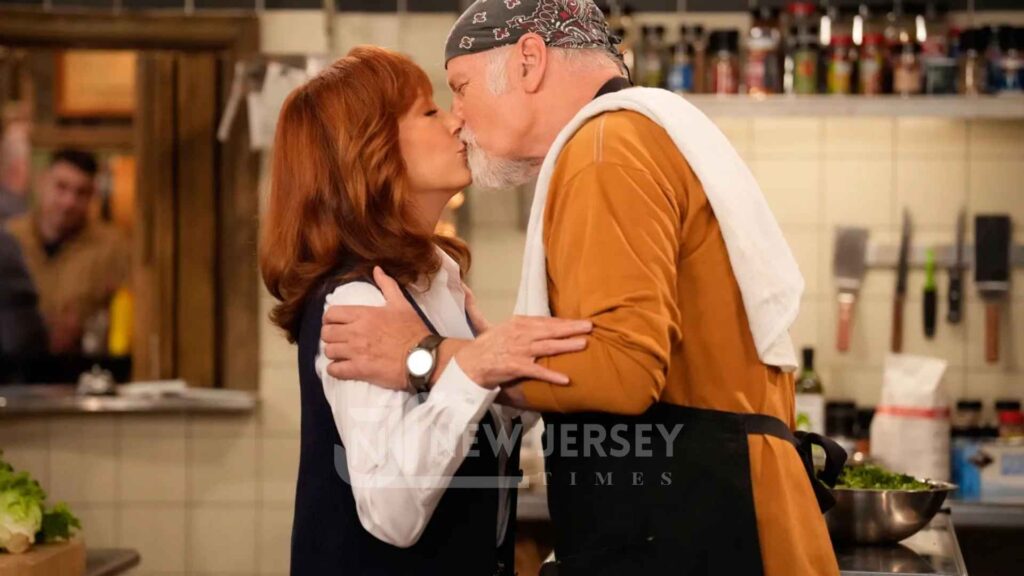
When a figure with decades of public visibility is mislabeled even innocently the correction becomes part of the story. Engagements, marriages, divorces, all of it gets cataloged by fans who feel a sense of investment. McEntire knows that terrain well, and her instinct to jump in immediately reflects the responsibility she’s learned to carry.
Guthrie Takes The Note Quickly
People confirms that Guthrie apologized on the spot. She didn’t try to gloss over the error or shift blame; she simply acknowledged it and kept going. That approach helped the moment land softly, almost playfully.
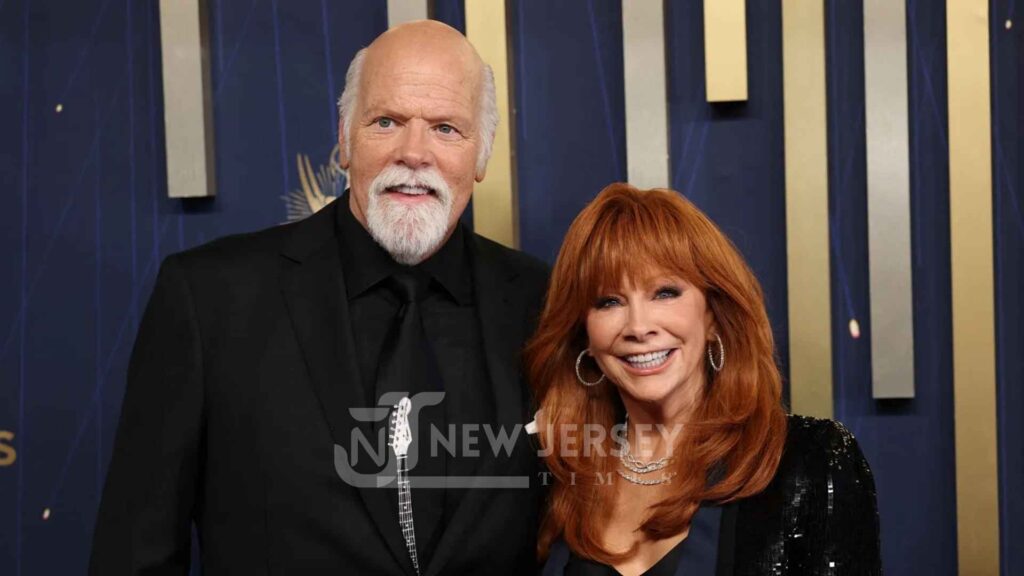
McEntire seemed entirely unruffled. If anything, she looked amused at how easily the conversation had drifted and how quickly she’d steered it back.
Fans Respond With Amused Curiosity
Online reaction has been lighthearted. Plenty of viewers commented on Linn’s expression, calling it “pure sitcom energy.” Others pointed out how fast McEntire reacted, the way someone does when they’ve had to clarify this exact thing more than once off camera.
There hasn’t been any backlash, no calls for clarification, nothing resembling tension. It’s a moment that reads as harmless, relatable, and slightly funny which often makes it more shareable than any serious promotional announcement.
The Couple Keeps Their Plans Close
Despite renewed chatter about the engagement, nothing has changed on the wedding front. The pair hasn’t released dates or details and likely won’t anytime soon. They’ve been open about being engaged but private about the logistics, a balance they’ve held since September, when the engagement became public almost a year after Linn proposed.
For now, the story remains what it is: a three-second correction that spiraled into the morning’s most replayed entertainment clip.
A Reminder Of How Quickly A Broadcast Can Shift
There was no drama in the studio and no awkward follow-up, just a small jolt of authenticity that broke through a standard promotional interview. These kinds of moments often get more traction than the scripted conversation around them. They’re unscripted, unpredictable, and maybe most importantly real enough that viewers feel like they’ve seen something that wasn’t planned.
McEntire’s response, quick and good-humored, fit neatly into her long career of handling public attention without letting it bulldoze her boundaries. She said what she needed to say, then moved on. And that was enough to carry the moment across the entire entertainment news cycle before lunchtime.
New Jersey Times Is Your Source: The Latest In Politics, Entertainment, Business, Breaking News, And Other News. Please Follow Us On Facebook, Instagram, And Twitter To Receive Instantaneous Updates. Also Do Checkout Our Telegram Channel @Njtdotcom For Latest Updates.

A bi-coastal pop culture critic and former indie screenwriter, Gia covers Hollywood, streaming wars, and subculture shifts with razor wit and Gen Z intuition. If it’s going viral, she already knew about it.