Jake Shane Turns TheraBreath Collab Into A Fan-Fueled Comedy Moment
Inside the viral creator’s playful TheraBreath stunt and the Hulu series quietly taking shape behind the scenes

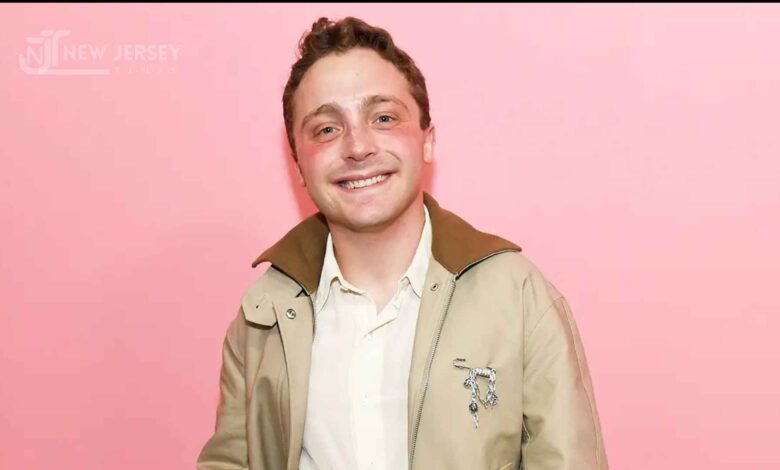
Los Angeles, November 13 EST: Jake Shane is riding one of those career waves where everything feels oddly aligned. He’s teaming up with TheraBreath on a fan-fueled oral-care stunt, building a Hulu comedy series in the background, and somehow still finding room to talk openly about a rough patch with OCD. It’s the kind of multitasking that would crush most of us, but Shane treats it like just another Tuesday on the internet.


A Campaign That Plays Right Into Shane’s Sweet Spot
According to People, Jake Shane will spend the next few weeks recording personalized videos for friends of fans who nominate someone they believe could use a subtle push toward fresher breath. The idea could’ve easily tilted into cringe, but here’s the thing: Shane’s entire brand is built on being the friend who says the thing everyone else tiptoes around. It’s warm, it’s a little chaotic, and it’s never mean.
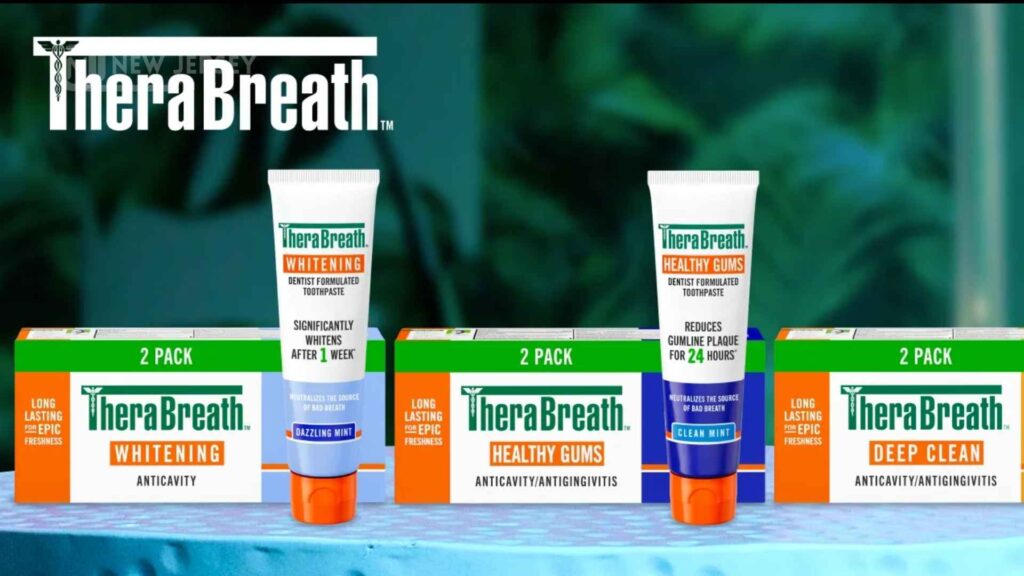
He told People this was the “easiest yes of all time” because he’s basically been a TheraBreath loyalist since forever. And that detail actually matters. Influencer-brand deals fall apart when the tone feels store-bought. Shane’s works because it sounds like something he’d be doing anyway, just with a camera pointed at it.
The campaign runs through December 10, which means fans get a decent runway to toss nominations into the ring. If even a fraction of these videos land the way Shane’s sketches do, TheraBreath may have accidentally built itself the most likable oral-care promo of the year.
Hulu Steps In As Shane Levels Up
Shane is also quietly crafting a comedy series for Hulu, and it’s reportedly inspired by his own life. That’s where things get interesting. Moving from viral bits to long-form storytelling isn’t just a career flex; it’s a litmus test. Plenty of digital stars try to make the jump. Very few can reinvent themselves without losing the spark that made them famous in the first place.
The show is still early in development, which means no casting announcements, no production calendar, none of the good stuff fans can dissect yet. But the timing checks out. Jake Shane audience has been expanding fast enough that a streamer taking a swing on him makes sense. If he brings the same manic sincerity of his online persona to a scripted format, the show could end up in the same lane as the creator-to-TV success stories people still talk about.
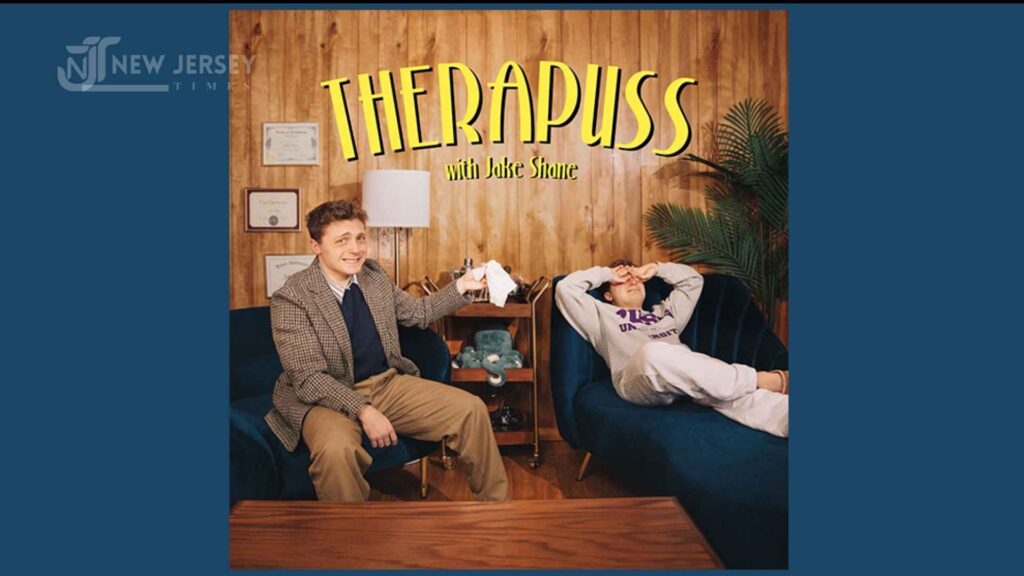
For now, though, the TheraBreath campaign doubles as a warm-up act. It reminds the broader public who Shane is and why he’s worth watching, just as he gears up for something more ambitious.
The Mental Health Reveal That Fans Won’t Shrug Off
In the same People interview, Jake Shane mentioned he’s been dealing with a “pretty bad” spell of OCD that hasn’t let up. It wasn’t a dramatic confession. More like the honest aside you’d drop to a close friend. Still, fans tend to hold onto details like this because it colors everything else he’s doing right now.
Creators don’t owe the internet their vulnerabilities, but when they offer them willingly, audiences tend to lean in rather than flinch. Shane has built a persona on emotional clarity paired with self-awareness. So when he talks about a difficult moment, it doesn’t feel like he’s angling for sympathy. It just feels like life happening in real time, with a camera rolling somewhere nearby.
Why This Brand-Influencer Match Actually Works
Let’s break it down. Oral-care brands aren’t exactly known for cultural heat. When was the last time anyone got excited about mouthwash? But TheraBreath has a knack for turning utility into personality. Jake Shane gives them the one thing oral-care marketing usually lacks: social comedic timing.
And the structure of the campaign makes it easy for fans to play along. Nominations create natural shareability. Personalized videos practically guarantee a few viral breakout moments. The brand gets reach; Jake Shane gets a fresh boost in mainstream visibility. Nobody has to pretend it’s deeper than it is.
That said, brands venturing into humor at the expense of personal hygiene usually end up in the danger zone. The reason this one feels safe is because Shane’s comedy is rooted in affection. Even when he’s teasing, it feels more like a wink than a jab.
Fan Reaction: A Slow Burn That Could Erupt
There’s no major blowback reported yet, and that’s probably because the collaboration is still in its rollout phase. But the ingredients are there for this to go wide. Fans love being part of a creator’s bit, and they really love when the bit includes their friends. A customized Jake Shane video calling you out about your breath? That has viral screen-record written all over it.
If one of these messages hits a comedic sweet spot, the whole campaign could pick up speed overnight. And with Shane’s Hulu series still a quiet work in progress, every bit of rising buzz becomes free promotion for whatever he does next.
A Creator Building Toward Something Bigger
What this really means is that Jake Shane is at the point in his career where short-form fame starts blending into long-form opportunity. His online community is loud, loyal, and ready for a new format to latch onto. His commercial partnerships are starting to reflect the same momentum. And his willingness to share personal challenges keeps fans feeling like they’re in on something real.
Creators who manage that trifecta tend to stick around longer than the standard algorithm cycle. If Shane plays the next few months right, the TheraBreath videos might end up being the footnote to the bigger story: a creator figuring out how to evolve without losing the tone that made people care in the first place.
New Jersey Times Is Your Source: The Latest In Politics, Entertainment, Business, Breaking News, And Other News. Please Follow Us On Facebook, Instagram, And Twitter To Receive Instantaneous Updates. Also Do Checkout Our Telegram Channel @Njtdotcom For Latest Updates.

A bi-coastal pop culture critic and former indie screenwriter, Gia covers Hollywood, streaming wars, and subculture shifts with razor wit and Gen Z intuition. If it’s going viral, she already knew about it.