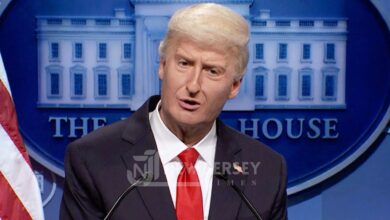
Tens of Thousands Gather in Arizona Memorial “For Charlie”
Trump, Vance, and supporters unite at State Farm Stadium honoring Charlie Kirk

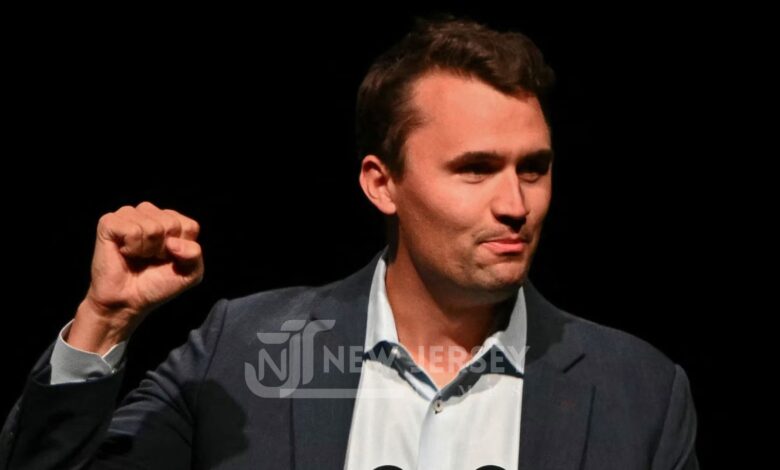
Glendale, September 21 EST: The death of Charlie Kirk has become something larger than a tragedy. At State Farm Stadium today, where more than 60,000 mourners gathered for his memorial, it was clear that Kirk’s assassination has been transfigured into a political moment, one already being harnessed by the Republican Party as both a symbol of loss and a rallying cry. The phrase on countless placards and T-shirts said it plainly: “For Charlie.”

A Stadium Turned Stage
Funerals of public figures have long doubled as political theater in America. The outpouring for John F. Kennedy, the televised farewell to Ronald Reagan, the unity calls after John McCain’s passing all became moments for reshaping national narratives. Kirk’s memorial, though different in scale and meaning, fits that tradition.
Donald Trump, standing not only as president but as the movement’s undisputed leader, called Kirk “a young man but a great man” and framed the day as a “time of healing.” The optics, however, told another story: this was not a quiet wake. It was a show of strength. Vice President JD Vance, governors, lawmakers, and conservative influencers turned the stadium into a kind of convention floor, with mourning woven into mobilization.
“For Charlie” As A Rallying Cry
The phrase “For Charlie” emerged organically in the hours after Kirk’s killing, but it has since hardened into something resembling a movement slogan. Scott Presler, a veteran conservative organizer, has already attached it to a mass voter registration drive. “Let’s get thousands of new voters registered. For Charlie,” he wrote, making explicit what the day’s emotional energy was meant to translate into: numbers on the rolls, turnout in 2026, momentum into 2028.
This blending of grief and politics is not accidental. It mirrors what the right has long done when one of its own becomes a casualty of what supporters frame as cultural or political violence. To many in that stadium, Kirk’s death is not just personal. It is evidence of the stakes.
The Optics Of Overflow
The turnout was staggering: more than 63,000 inside, with overflow stretching into parking lots. Organizers framed it as testament to Kirk’s influence among young conservatives, but the sheer size also serves a political purpose. In the Trump era, crowd optics are not incidental. They are currency. A packed football stadium is a visual counterpoint to those who dismiss Kirk as a niche figure or who argue that conservatism is waning among the next generation.
One attendee put it bluntly to a local reporter: “It feels like a funeral and a rally at the same time.” That duality, mourning mixed with mobilization, is the essence of what unfolded in Glendale.
Culture War Flashpoints, Even In Mourning
The week leading up to the memorial brought its own skirmishes. A viral clip of a Starbucks barista allegedly mocking an order placed “For Charlie” ignited boycotts and backlash. The company scrambled to distance itself, insisting the incident did not reflect corporate policy. On the surface, it is a small flare-up. But its timing underscores how Kirk’s name has already become shorthand in the broader culture war. Even a coffee cup is now a political marker.
A Movement Without Its Architect
Kirk’s assassination leaves the conservative youth movement without its architect at precisely the moment when its influence was surging. At Turning Point USA conferences, he could fill arenas. On social media, his reach rivaled traditional GOP powerbrokers. He was, in many ways, the connective tissue between the MAGA generation and a younger base that sees politics as lifestyle and identity.
What happens to that energy without its central figure is uncertain. Movements built around personalities often fracture. But today’s display suggests something else: that Kirk’s absence may paradoxically strengthen the narrative. He becomes not just a leader, but a martyr, a role the right has historically weaponized with skill.
The Political Stakes Ahead
It is too soon to know whether “For Charlie” will endure as more than a slogan. But Republicans, from Trump on down, are already treating it as usable political capital. In a landscape where turnout margins are razor-thin, especially among young voters, Kirk’s death has the potential to harden loyalties and spur action in ways few conventional campaign ads could.
The danger, of course, is that grief curdles into resentment. Democrats, for now, have remained largely silent, wary of being cast as disrespectful in the aftermath of a killing. But history suggests the polarization will deepen. After tragedies tied to politics, whether the shooting of Gabrielle Giffords in 2011 or the violence at the Capitol on January 6, 2021, mourning quickly gave way to narrative warfare. This moment will be no different.
For Republicans, the message is clear: rally, organize, vote. For the movement Kirk helped shape, the refrain is simpler still. For Charlie.
New Jersey Times Is Your Source: The Latest In Politics, Entertainment, Business, Breaking News, And Other News. Please Follow Us On Facebook, Instagram, And Twitter To Receive Instantaneous Updates. Also Do Checkout Our Telegram Channel @Njtdotcom For Latest Updates.

A political science PhD who jumped the academic ship to cover real-time governance, Olivia is the East Coast's sharpest watchdog. She dissects power plays in Trenton and D.C. without bias or apology.