George Clooney Turns Trump’s Mockery Into a Midterm Warning
After Donald Trump mocked the Clooneys’ French citizenship, the actor responded with irony, restraint, and a clear message about power, elections, and November.

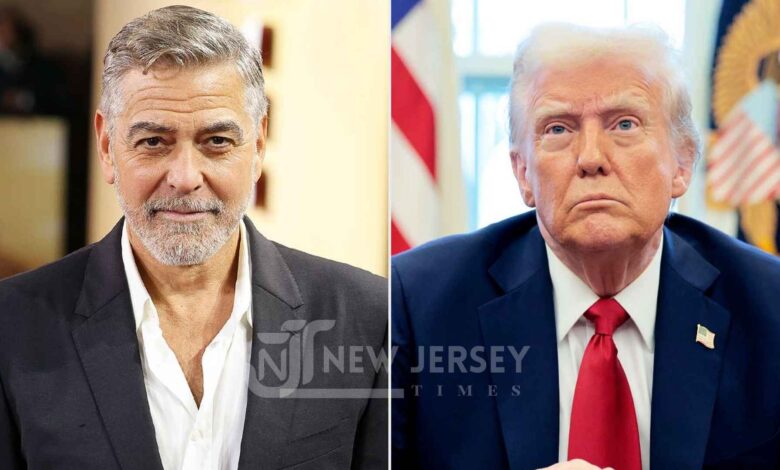
Los Angeles, January 2 EST: There are celebrity spats, and then there are moments when celebrity becomes a stand-in for something far larger. The exchange this week between George Clooney and Donald Trump belongs firmly in the latter category, less a personal feud than a revealing snapshot of how cultural power and political grievance now collide in American public life.
Clooney’s response came after Trump mocked the actor and his wife, Amal Clooney, for obtaining French citizenship. Speaking to The Hollywood Reporter on January 2, Clooney reached not for insult, but for irony, invoking Trump’s most famous slogan while pointing toward the upcoming U.S. midterm elections. “I have to agree with Trump,” Clooney said. “We have to make America great again. We can start in November.”
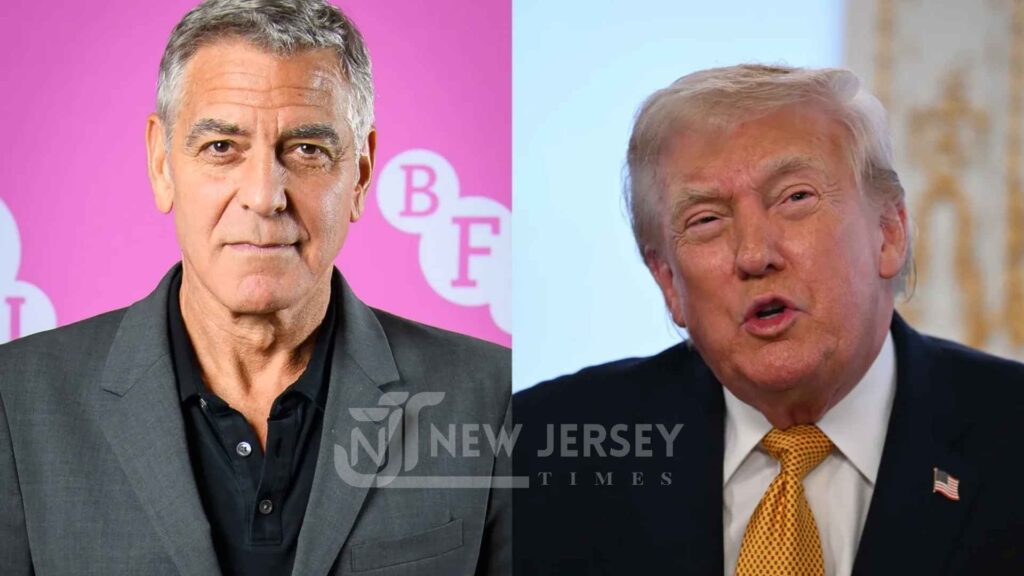
It was a short line, carefully chosen, and politically literate. Clooney did not dispute Trump’s attacks point by point. He reframed them, situating the president’s rhetoric inside the only arena that ultimately matters in a democracy: the ballot box.
Trump’s New Year’s Eve Provocation
The president’s attack began on December 31, in a post on Truth Social, Trump’s preferred megaphone since leaving mainstream platforms. The timing was deliberate. Just days earlier, a French naturalization decree published on December 27 confirmed that the Clooney family had officially become citizens of France.
Trump used the announcement to fire on several fronts at once. He derided George and Amal Clooney as “two of the worst political prognosticators of all time,” dismissed Clooney’s film career as “mediocre,” and folded France itself into his familiar narrative of national decline tied to immigration. France, Trump wrote, was “sadly” in the midst of a major crime problem due to what he called its “horrendous handling of immigration,” drawing a straight line to his long-running attacks on former President Joe Biden.
The post was classic Trump. Celebrity humiliation blended with nationalist grievance, policy critique mixed with personal insult. For Trump, the Clooneys were not merely Hollywood liberals. They were symbols: wealthy, international, outspoken, and willing to step outside the gravitational pull of American politics while still criticizing it.
Why Clooney Is A Useful Target
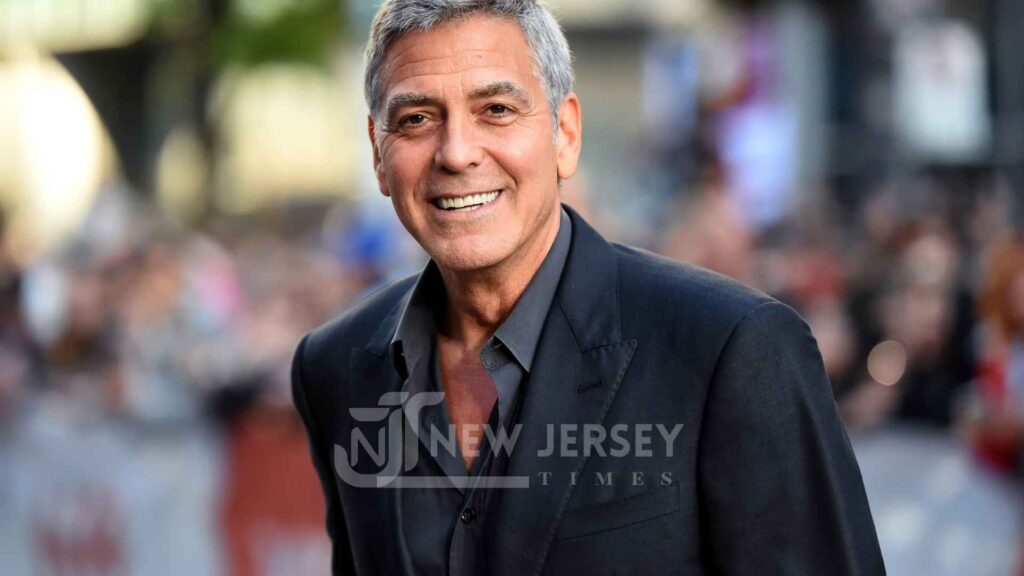
Trump’s fixation on Clooney is not new, and it is not accidental. Clooney has spent decades cultivating a dual identity as both movie star and political actor, not in the partisan sense alone, but as someone comfortable navigating elite power structures.
Unlike many celebrities who dabble in politics, Clooney has been persistent. He has raised money, lobbied lawmakers, testified before Congress, and built long-term relationships with Democratic leaders. In earlier eras, figures like Jane Fonda or Harry Belafonte played similar roles, but Clooney operates in a media environment far more fragmented and hostile.
For Trump, attacking Clooney serves multiple purposes. It energizes a base that views Hollywood as culturally alien. It reinforces Trump’s self-image as a populist combatant against elite hypocrisy. And it allows him to frame political disagreement as personal betrayal. If Clooney criticizes America, Trump implies, then Clooney should leave. When Clooney does acquire another citizenship, Trump claims vindication.
French Citizenship And Political Timing
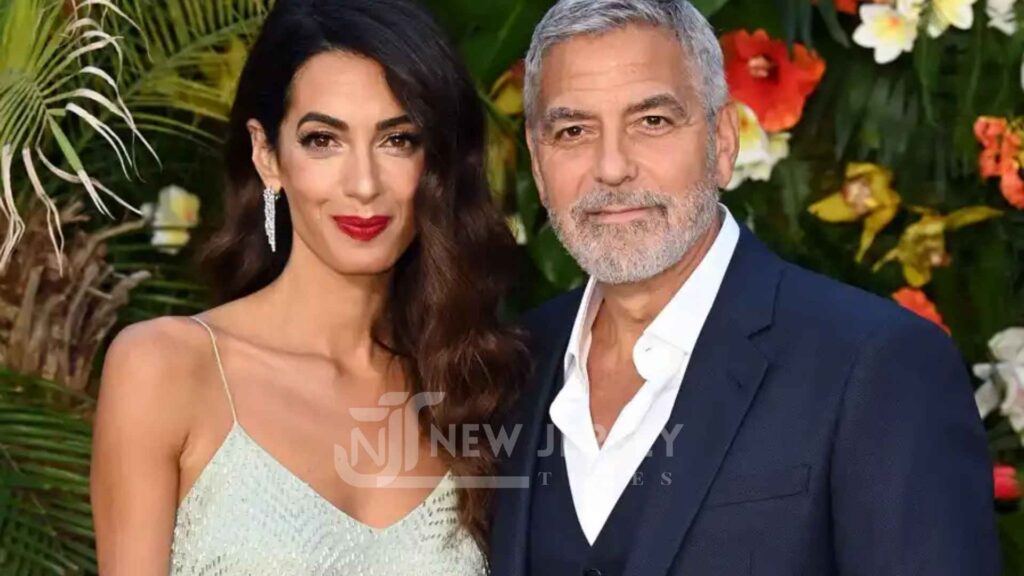
The Clooneys’ move to France, however, is more complicated than Trump’s caricature. The family has owned property near Brignoles since 2021, well before the current flare-up. Their naturalization, which includes their 8-year-old twins, comes as France prepares to tighten its citizenship rules beginning January 1, 2026.
Those new regulations include stricter language requirements and mandatory civic exams, reforms aimed at responding to domestic concerns about integration and fairness. Against that backdrop, the Clooneys’ successful application sparked discomfort even within France’s own political establishment.
Marie-Pierre Vedrenne, a junior minister at the Interior Ministry, told France Info that the decision raised questions of equity. “The message being sent is not good,” she said, adding that fairness in citizenship policy is “essential.”
The French government, for its part, defended the decision by citing the Clooneys’ international standing and professional contributions. French law allows discretionary naturalization when applicants are deemed to enhance the country’s cultural or diplomatic influence, a clause that has long benefited artists, athletes, and intellectuals.
Citizenship As Symbol, Not Escape
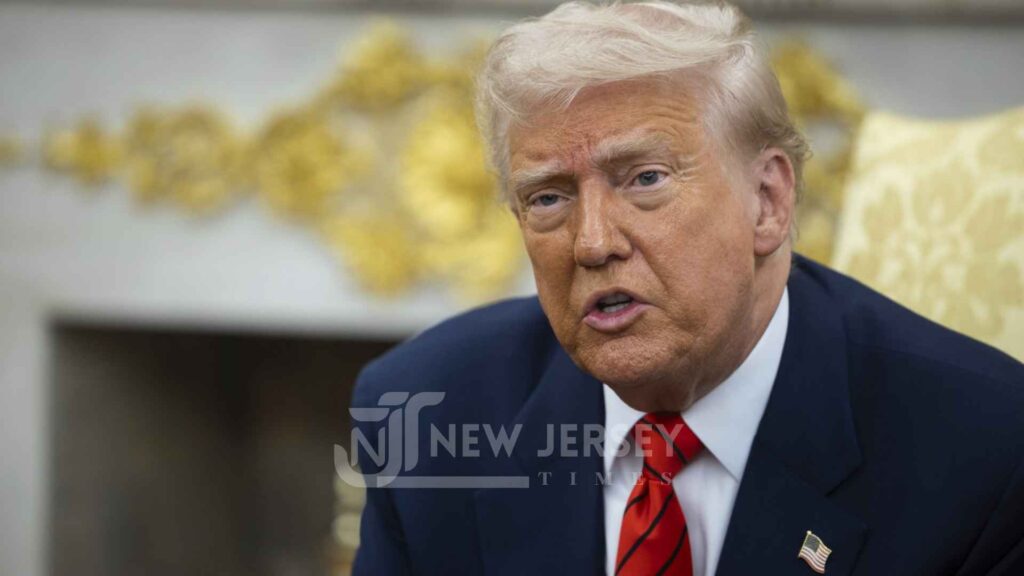
In Trump’s telling, the Clooneys’ French citizenship is an act of abandonment, a rejection of America. In reality, it reflects a more modern reality of global elites whose lives, work, and families cross borders with ease.
That distinction matters. Clooney did not renounce his American citizenship, nor did he suggest disengagement from U.S. politics. On the contrary, his response to Trump explicitly tied his criticism back to American democratic processes.
Historically, American presidents have often bristled at cultural figures who claim moral authority. Richard Nixon kept an enemies list heavy with artists and journalists. Ronald Reagan, himself a former actor, navigated Hollywood criticism with humor and selective engagement. Trump, by contrast, treats celebrity dissent as provocation, something to be crushed rhetorically rather than absorbed.
Power, Grievance, And November
Clooney’s statement, brief as it was, showed an understanding of this dynamic. By refusing to spar on Trump’s terms, he redirected the conversation toward political accountability. The reference to November was not incidental. It was a reminder that Trump’s power, however loudly exercised online, ultimately rests on electoral consent.
That does not mean Clooney is a neutral observer. He is a partisan actor, and he knows it. But his response acknowledged a basic truth Trump often resists: that cultural influence does not replace votes, and insults do not substitute for governance.
For now, the episode is unlikely to change either man’s standing with his core audience. Trump’s supporters will cheer the takedown of a liberal celebrity. Clooney’s allies will praise his restraint and wit. The larger significance lies elsewhere, in how easily citizenship, culture, and loyalty have become weapons in America’s political arsenal.
As midterm season approaches, expect more of this. The lines between entertainment, identity, and power are not blurring. They are being sharpened.
New Jersey Times Is Your Source: The Latest In Politics, Entertainment, Business, Breaking News, And Other News. Please Follow Us On Facebook, Instagram, And Twitter To Receive Instantaneous Updates. Also Do Checkout Our Telegram Channel @Njtdotcom For Latest Updates.

A political science PhD who jumped the academic ship to cover real-time governance, Olivia is the East Coast's sharpest watchdog. She dissects power plays in Trenton and D.C. without bias or apology.