

Tehran Burns, Tel Aviv Bleeds: Israel-Iran War Explodes Into Day 4
Civilians flee, leaders double down, and missiles rain as diplomacy falters.

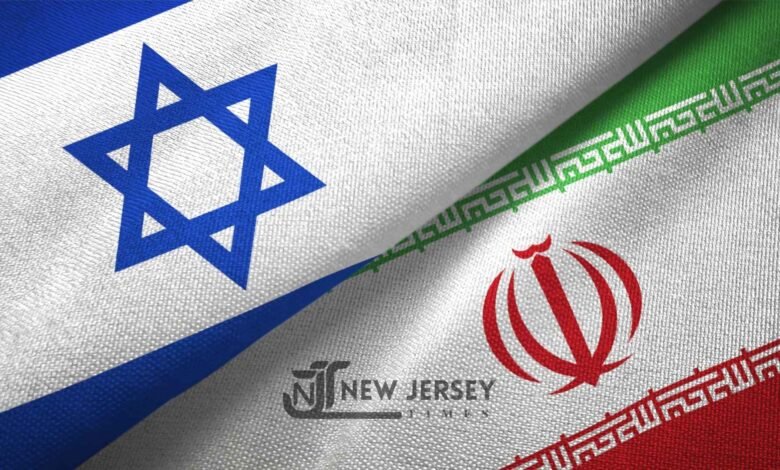
Israel-Iran war 2025 has erupted into its most violent day yet, with both nations launching missiles into major cities and civilian areas, killing hundreds and devastating infrastructure.


A Sudden, Calculated Beginning
On June 13, just before dawn, Israeli jets tore across the sky, launching what officials later called “Operation Rising Lion.” Within hours, explosions ripped through Iran’s key nuclear facilities — Natanz, Fordow, Isfahan — and at least 90 other targets, including suspected IRGC bases and intelligence centers. Drones, electronic warfare, cyber hits — this wasn’t just a bombardment, it was a high-tech ambush.
But Tehran wasn’t stunned for long.
Retaliation Comes Fast and Loud
The next two nights brought what Iran dubbed “Operation True Promise 3.” The IRGC answered with a barrage of drones and missiles, slamming into central Israel. Residential neighborhoods in Tel Aviv and Bat Yam took direct hits. In Rehovot, an 11-year-old girl was among the dead.
Iran’s state media called it “self-defense.” Israel called it terrorism. Civilians, meanwhile, rushed underground.
Day 4 — No Turning Back
By June 16, neither side was holding back. That morning, Israeli jets targeted Iran’s state television building in Tehran — during a live broadcast. By midday, they’d also bombed a hospital in Kermanshah and knocked out power infrastructure east of the capital.
Iran responded the only way it knows: more missiles. This time, they reached as far north as Haifa, struck refineries, residential towers, even a compound near the U.S. embassy.
Official numbers are hard to pin down. But reports indicate at least 8 to 24 Israelis killed in the latest strikes, with dozens more hospitalized. Iran’s death toll? Over 224, according to tallies from local sources and international tracking — most of them civilians.
Tehran Starts to Empty
There’s a new kind of traffic jam in Iran. It’s not the morning commute — it’s an exodus. People are trying to get out of Tehran, heading northwest toward the Turkish border or deeper into rural Iran. Highways are packed. Fuel’s running low. Social media blackouts are making the panic worse.
“People aren’t waiting for instructions,” one anonymous user posted before connectivity dropped. “They’re just leaving.”
The World Watches — And Worries
Markets are reacting. Oil prices jumped. Flights are grounded. Global shipping lanes through the Strait of Hormuz are suddenly unstable.
The diplomatic map is redrawn hourly.
Netanyahu says Israel’s mission won’t stop until Iran’s “nuclear and missile capabilities are dismantled.” Iran’s Supreme Leader, Ayatollah Khamenei, promises retribution. In Washington, Trump, now seeking re-election, warns that if U.S. assets are hit, “We will strike.”
Russia’s been circling the edges — urging calm, but clearly nervous about losing Iran as a strategic partner. Erdogan in Turkey is again offering to mediate. The G7, gathered in Berlin, issued a call for restraint. But no country seems willing — or able — to halt what’s unraveling.
On the Ground, It’s Just Fear
This isn’t just a military campaign. It’s lives upended. In Tel Aviv, shelters are packed. In Tehran, hospitals can’t keep up. Some neighborhoods in both cities have no power. Pharmacies are shuttered.
What happens next? No one really knows. What’s clear is this: we’re past the point of warning shots. This is war — and it’s not stopping tonight.
New Jersey Times Is Your Source: The Latest In Politics, Entertainment, Business, Breaking News, And Other News. Please Follow Us On Facebook, Instagram, And Twitter To Receive Instantaneous Updates. Also Do Checkout Our Telegram Channel @Njtdotcom For Latest Updates.

A political science PhD who jumped the academic ship to cover real-time governance, Olivia is the East Coast's sharpest watchdog. She dissects power plays in Trenton and D.C. without bias or apology.



