
Justin Timberlake Reveals Lyme Disease Battle After Tour Criticism
The pop icon opens up about performing through massive nerve pain and illness during his two-year “Forget Tomorrow” world tour.

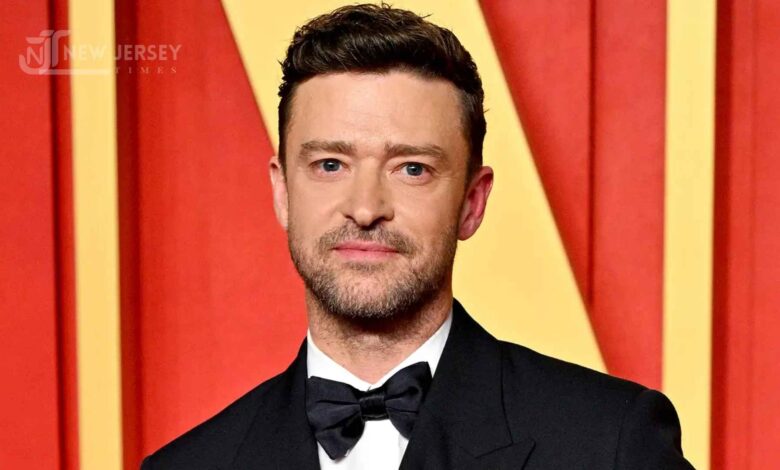
Los Angeles, July 31 EST: If you’ve been wondering why Justin Timberlake seemed… off during his Forget Tomorrow World Tour, you’re not alone. The sluggish footwork, the flat notes, the general “is-he-ok?” vibe fans noticed. Critics noticed. But nobody really knew.


Now we do.
In a deeply personal Instagram post shared July 31 the same night his two-year mega-tour wrapped Timberlake revealed he’s been battling Lyme disease, a tick-borne illness that’s no joke. Think joint pain, nerve issues, soul-sucking fatigue all while performing in packed arenas across the globe.
“I was exhausted. In pain. Confused,” he wrote. “But I didn’t know what was going on until much later.”
The Performance Criticism? He Heard It
Let’s be real this tour got dragged. Videos of Timberlake looking disengaged made the rounds. Some fans called the shows “lazy,” others joked he was doing karaoke to his own tracks. Turns out, there was more going on than bad choreography.
Timberlake says he pushed through despite symptoms that got “progressively worse.” Even after the Lyme diagnosis came in, he kept going. Sprained ankle? Performed. Bronchitis? Still on stage. “The joy of performing kept me upright,” he said.
Chris Kirkpatrick Said It Best
“Superhero s**t,” according to Chris Kirkpatrick, Timberlake’s longtime *NSYNC bandmate. “Watching him get out there night after night while battling Lyme… that’s grit.” Kirkpatrick posted the tribute not long after JT’s announcement, and honestly, it sums up what a lot of fans are now feeling a mix of respect, regret, and a little bit of guilt for misjudging what they were seeing.
Lyme Disease Isn’t Rare But It Is Misunderstood
Timberlake now joins a list of celebs who’ve gone public with their Lyme diagnoses: Avril Lavigne, Bella Hadid, Justin Bieber, Shania Twain. Each of them said some version of the same thing people didn’t get it. Doctors didn’t get it. And they didn’t feel like themselves for months, sometimes years.
That’s what makes JT’s decision to speak up matter. He didn’t owe anyone an explanation. But he gave one anyway partly, he said, to clear the air, but also so others dealing with chronic illness wouldn’t feel so alone.
So What Happens Now?
No tour announcements. No album teases. Timberlake’s only focus right now is recovery and maybe finally taking a breath after one of the most physically and emotionally brutal tours of his career.
He ended his post by thanking his wife Jessica Biel, their sons Silas and Phineas, his crew, and his fans especially the ones who stuck by him even when he wasn’t at his peak.
“I’ve never felt more seen,” he wrote. “Even in the moments I couldn’t see straight.”
Hard not to root for him after that.
New Jersey Times Is Your Source: The Latest In Politics, Entertainment, Business, Breaking News, And Other News. Please Follow Us On Facebook, Instagram, And Twitter To Receive Instantaneous Updates. Also Do Checkout Our Telegram Channel @Njtdotcom For Latest Updates.

A bi-coastal pop culture critic and former indie screenwriter, Gia covers Hollywood, streaming wars, and subculture shifts with razor wit and Gen Z intuition. If it’s going viral, she already knew about it.