
Pentagon Tightens Medical Waiver Rules, Marking Sharp Shift in Enlistment Policy
New directive eliminates waivers for serious medical conditions and pushes others to Secretary-level approval, reshaping who qualifies to serve

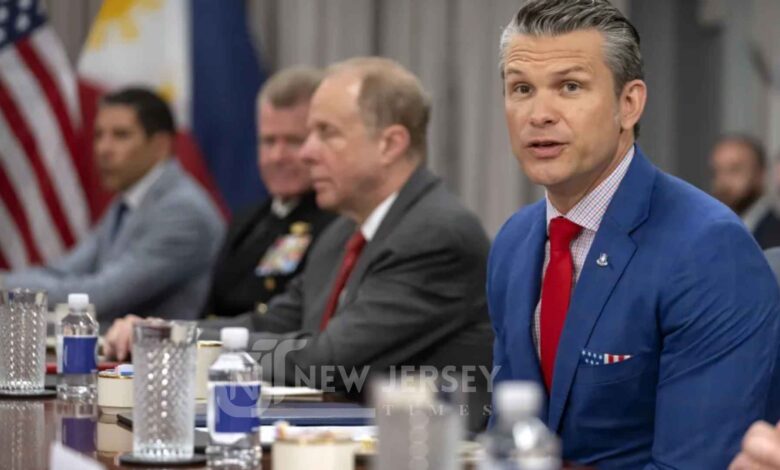
Washington, July 22 EST: In a sweeping policy reversal that sharpens the edge of military enlistment standards, Defense Secretary Pete Hegseth has ordered a significant tightening of medical waivers, signaling that the Pentagon is no longer willing to gamble with the physical and psychological readiness of its incoming troops.


The directive, signed Monday, reads less like routine administrative reform and more like a manifesto: an unmistakable pivot from the inclusive, flexibility-first ethos that defined military accession policy during the last decade. Waivers for conditions once adjudicated with compassion and discretion from multiple sclerosis to recent suicide attempts are now flatly off the table. Others, like limb loss, pacemakers, or corneal transplants, will be bumped to the desks of service secretaries, a move critics say is meant to quietly bury most borderline cases under bureaucratic weight.
A Recalibration of Who Deserves to Serve
The message is brutally clear: not everyone gets in anymore, and those who do must be combat-ready from day one.
This marks the culmination of a campaign Hegseth has been waging since his appointment part ideology, part logistics. In March, he launched a formal review of medical standards, citing a 17% medical waiver rate among 2022 recruits a sharp increase from just 12% in 2013. He’s made no secret of his belief that loosened standards, introduced in response to prolonged recruitment shortfalls and evolving societal norms, have undercut the military’s warfighting edge.
But behind the memo is a deeper contest: between readiness and representation, between tradition and reform, between the raw imperatives of military command and the broader democratic values of inclusion and opportunity.
From Broad Tents to Hardened Gates
Over the past decade, military accession policies expanded alongside shifting social expectations. The Obama-era repeal of “Don’t Ask, Don’t Tell”, the Trump-era flirtations with banning transgender troops, and the COVID-era waivers for mental health treatments were all part of a broader recalibration. Standards were softened, not out of negligence, but out of necessity America was running out of people both willing and able to fight.
Hegseth’s new policy is a stark course correction. Where his predecessors opted for elasticity, he’s choosing fortification.
“Mission success cannot hinge on medical exceptions,” a senior Pentagon official told Stars and Stripes. That may be a tactical truth but it’s also a philosophical judgment about who the nation believes is fit to bear arms.
Real-World Fallout, Real-World Stakes
The practical fallout is immediate: a tighter enlistment funnel and an almost certain dip in accession rates across all branches. Already battered by two years of missed recruiting targets, the Army, Navy, and Air Force now face the task of building a deployable force while leaving more potential enlistees at the door.
And not just any potential enlistees. Historically, medical waivers have been disproportionately granted to applicants from lower-income communities, where early access to preventive care is limited and diagnoses like ADHD, depression, or orthopedic injuries are more common and more complex.
So while the policy is billed as readiness-focused, its secondary effect is social filtration. It selects for those who are not just healthy, but systemically advantaged. That has implications not just for military effectiveness, but for democratic legitimacy.
Bureaucracy as Gatekeeper
Under the new rules, conditions requiring Secretary-level review including organ failure, psychotic episodes, and major implants aren’t just hurdles. They’re nearly insurmountable. Very few secretaries are expected to sign off on high-risk cases unless under extreme political pressure. These decisions, in effect, become strategic calculations: is it worth taking heat from advocacy groups or lawmakers for the sake of a single recruit?
The Pentagon, of course, insists the new structure is about consistency. In a statement Tuesday, spokesperson Sean Parnell said the changes “reflect our responsibility to uphold mission integrity and personnel safety.” Yet no one in Washington mistakes that for pure procedure. Personnel policy is power policy and this one has teeth.
An Ideological Flex of Uniform Power
Taken together with earlier Hegseth-led rollbacks on transgender inclusion and grooming standards, the message becomes sharper still. This isn’t just policy it’s posture. The Pentagon under Hegseth is leaning away from social accommodation and toward something harder-edged, perhaps even nostalgic.
It’s the return of the Cold War archetype: the elite, all-capable warrior, unencumbered by medical nuance or cultural shift. That vision may excite parts of the defense establishment, but it also sits uncomfortably with a country whose population is aging, heavier, and more medically complex than ever before.
What’s Next
The Under Secretary for Personnel and Readiness has 30 days to formalize these changes into updated regulations. That will determine not just who gets in but who even bothers to apply.
The stakes, however, stretch far beyond recruitment numbers. At issue is whether the American military defines “fitness to serve” purely by metrics, or whether it allows room for judgment, growth, and redemption.
Hegseth has made his choice. The country, as always, will follow or resist.
New Jersey Times Is Your Source: The Latest In Politics, Entertainment, Business, Breaking News, And Other News. Please Follow Us On Facebook, Instagram, And Twitter To Receive Instantaneous Updates. Also Do Checkout Our Telegram Channel @Njtdotcom For Latest Updates.

A political science PhD who jumped the academic ship to cover real-time governance, Olivia is the East Coast's sharpest watchdog. She dissects power plays in Trenton and D.C. without bias or apology.