The Rockefeller Center Christmas Tree Lights Up NYC As Crowds Pack Midtown
A freezing night, a massive Norway spruce, and thousands of visitors squeezed into Midtown for a tradition that still pulls the city together.

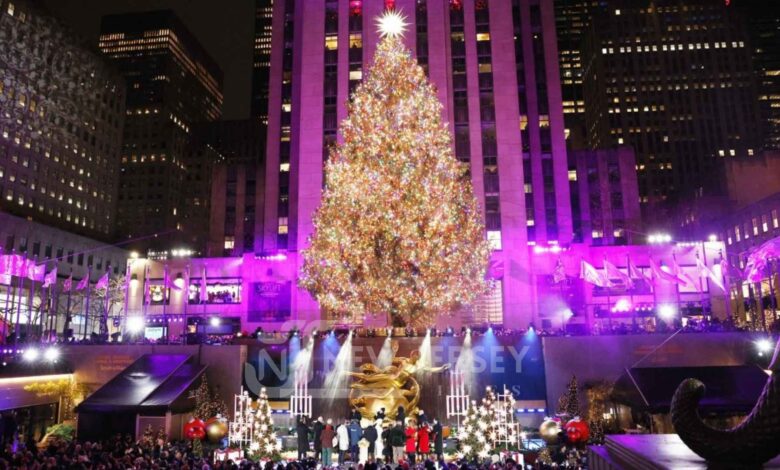
New York, December 4 EST: The Rockefeller Center Christmas Tree went on last night, and the whole block seemed to tilt toward it the second the lights came up. It was cold enough that people kept their hands buried in pockets until the last possible moment, and then suddenly everybody’s phones were in the air like the temperature didn’t matter anymore. The sound the crowd made wasn’t a clean cheer more like a mixed-up burst of relief, surprise, and people yelling because they finally saw what they came for.

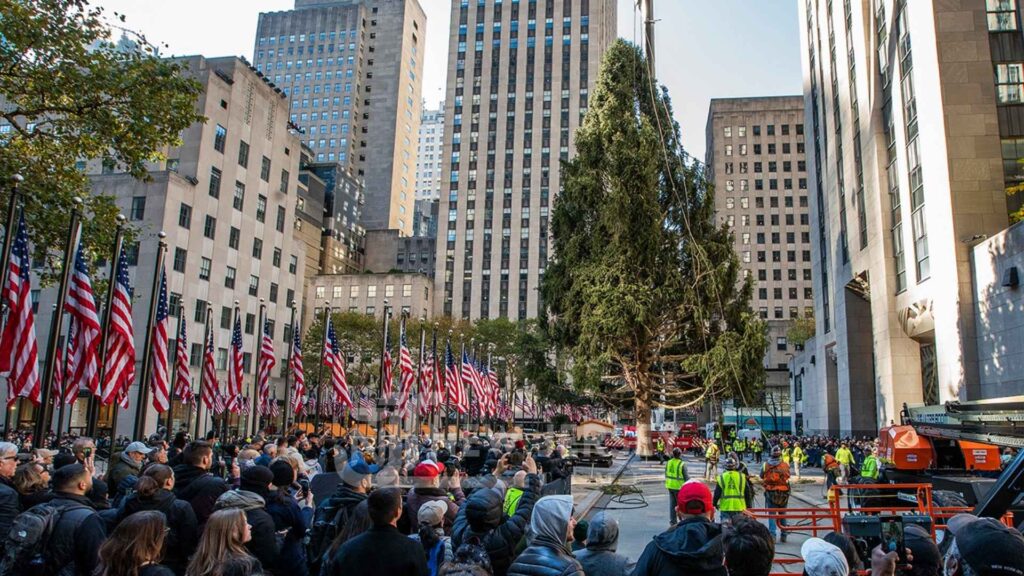
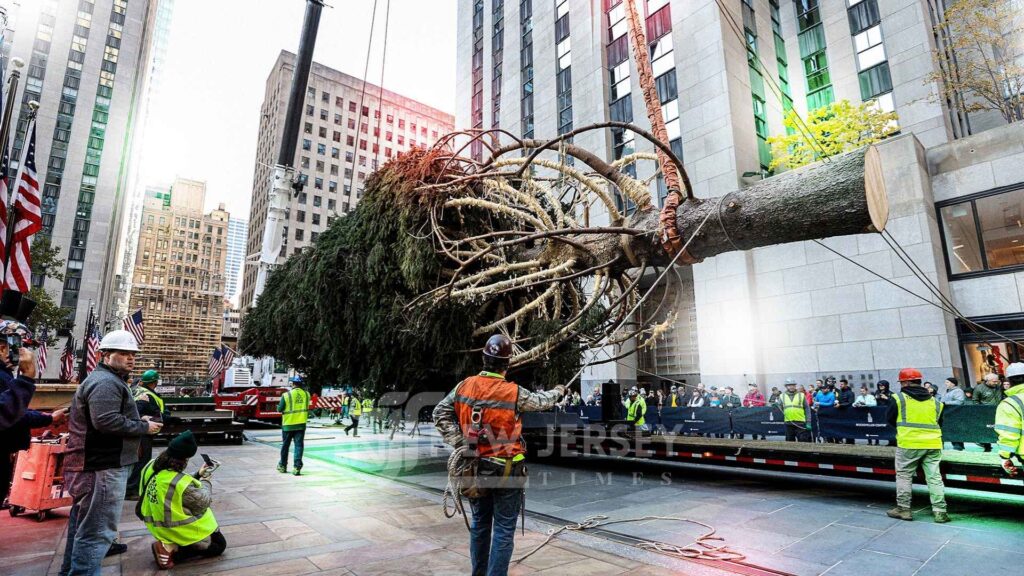
This year’s spruce, the big 75-foot Norway one, came down from East Greenbush courtesy of the Russ family. Crews cut it on November 6, which NBC New York mentioned while showing pieces of the trunk swinging from a crane. It didn’t look like it should survive the ride to Manhattan, but it did. The truck rolled in by November 8, and by then workers were already shouting directions at one another, trying to get it straight in the center of the plaza. It always looks easier on TV. In person, you can see every little adjustment.
The Lighting Didn’t Even Need Help
The ceremony stretched out the way these things always do: too many performances, bursts of applause at odd times, the crowd swaying because nobody had room to stand still. But when the lights hit the 50,000 LEDs, the whole stack of them it was instant. AP News called it a “holiday icon” lighting up, and while that sounds neat in print, the moment felt messier than that. A rush of color, a few people screaming too early, someone dropping a glove and then losing it forever.

The 900-pound Swarovski star did its usual trick where it blinds you if you look at it head-on. You could see people turning their phones sideways, trying to get the flare without blowing out the whole photo.
Reba McEntire hosted the TV broadcast. People.com mentioned her gig, but down on the ground it barely mattered who was speaking. Every time she paused to introduce something, half the crowd kept talking anyway. Nobody comes for the commentary.
A Crowd That Treated the Cold Like an Afterthought
The New York Post reported big turnout, which undersells it. The sidewalks were jammed before sunset. At one point a group tried to cut across 49th Street and just gave up halfway. Not mad just resigned. People pressed themselves against barricades and tried to negotiate tiny pockets of space. Someone dropped hot chocolate on their own boots. A kid laughed at them. Standard Rockefeller scene.
One visitor told CBS News it was on her bucket list, and she said it like she’d been saving the line for years. Good for her. You could feel the sincerity in it, even from a few feet away.
The cops had the place shut down pretty tight. You could see officers pointing people into different lanes like they were sorting luggage. Nobody looked thrilled, but nobody fought it either.
The Tree Isn’t Going Anywhere Yet
It’ll stay lit through mid-January 2026, glowing every night until midnight. After that, it gets chopped into lumber and sent to Habitat for Humanity, which CBS News reminded everyone about again this year. Funny how something this showy ends up in the plainest possible setting somebody’s home. A roof beam. Floor joists. Quiet things.
Midtown Slipped Into Holiday Mode Overnight
If you tried to get coffee this morning anywhere near the plaza, you already know what the lighting does to the neighborhood. Lines crawling out the door. People staring at maps in the middle of the sidewalk. The kind of foot traffic that makes locals take side streets even if it adds ten minutes to the walk.
Last night you could feel the shift happening even before the lights came on. Families lingering under the tree while security yelled at people to keep moving. A guy in office clothes telling his coworkers, “Let’s just get one photo.” A couple skating still in their rink gear, blades clacking on the concrete. The whole area runs on a slightly different beat once the tree’s up.
The Same Tradition, Somehow Never Worn Out
It’s predictable, this ceremony. People wait, the countdown happens, lights explode upward, and everyone suddenly acts like the city belongs to them for a moment. That predictability is the whole appeal. No reinvention. No twist. Just the thing people expect, happening again.
The Russ family’s spruce fits right into that rhythm. It won’t shock anyone. It doesn’t need to. It stands there, towering and bright, and absorbs every bit of attention thrown at it until the season winds down.
And then January comes, and the workers return with their tools, and the plaza goes back to looking almost too empty. But not yet.
New Jersey Times Is Your Source: The Latest In Politics, Entertainment, Business, Breaking News, And Other News. Please Follow Us On Facebook, Instagram, And Twitter To Receive Instantaneous Updates. Also Do Checkout Our Telegram Channel @Njtdotcom For Latest Updates.

Trained in war zones, raised in Newark, and seasoned in city hall, Jordan blends grit reporting with deep integrity. From floods to finance bills, they’re always first on scene and last to leave.