Freakier Friday Reunites Lindsay Lohan, Jamie Lee Curtis And Original Cast For Sequel Magic
Two decades after the 2003 classic, Disney’s body-swap comedy is back — with its stars older, wiser, and ready to swap more than just roles.

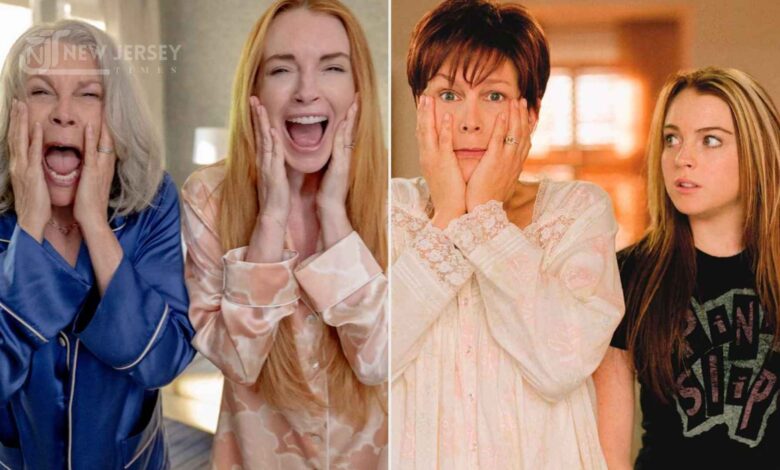
Los Angeles, August 8 EST: Twenty-two years ago, Freaky Friday gave us a body-swap comedy that felt impossibly of-its-moment chunky belts, garage band angst, and a then-teen Lindsay Lohan shredding through “Take Me Away” like she had nothing to lose. Now, Disney’s flipping the hourglass for Freakier Friday, and the 2003 cast is back together, older, wiser, and entirely in on the nostalgia trip.


The sequel, shot in Vancouver under director Nisha Ganatra, doesn’t just drop in a new generation of slapstick hijinks. It’s a reunion engineered for the streaming era: the kind that gets Instagram buzzing, TikTok splicing old clips with new set photos, and millennials scrambling to text group chats, “We’re seeing this opening weekend, right?”
Lindsay Lohan’s Glow-Up Era
If 2003 was Lohan’s breakout moment, the years that followed were… well, let’s just say they were more tabloid than Teen Choice Awards. But the 39-year-old is now deep into her glow-up era. She’s married, raising a son in Dubai, and has tiptoed back into the business with Netflix rom-coms. Freakier Friday is her first big studio swing in ages and the kicker is that she’s now playing the mom. “I feel like Anna grew up with me,” she told The Washington Post. Fans? They’re ready to see her back where she belongs: being hilarious, heartfelt, and just a little chaotic.
Jamie Lee Curtis: Queen Of The Comeback… Again
Curtis never really left the cultural conversation. Between Knives Out, her Oscar-winning turn in Everything Everywhere All at Once, and an Emmy run for The Bear, she’s been flexing her range for years. Coming back as Tess Coleman feels less like a paycheck gig and more like a victory lap. She and Lohan have been posting reunion selfies that look like they could double as Hallmark holiday cards, and honestly, the internet is eating it up.
The Boys (And Bandmates) Are Back
Remember Chad Michael Murray leaning on his motorcycle with a smirk that launched a thousand AIM away messages? He’s back, now a dad of three, still armed with the slow-burn charm that made Jake an early-2000s crush template. Mark Harmon, who played Tess’s fiancé, spent nearly two decades solving crimes on NCIS before stepping away in 2021 and yes, he’s back for more awkward stepdad energy.
Even Anna’s kid brother Harry (aka Ryan Malgarini) is in on the chaos again, engaged in real life but still very much the lovable pest. And for those keeping track of Pink Slip’s lineup: Christina Vidal (Maddie) and Haley Hudson (Peg) are both back, ready to bring garage band energy into whatever 2025’s version of a high school talent show looks like. Hudson, by the way, fronts an actual band now which means those riffs might be even tighter this time.
Nostalgia Meets TikTok Timing
Disney is keeping plot details under wraps, but Curtis has teased that the magic this time “takes an unexpected turn.” Given how the original has found new life on TikTok where teens discover it’s “vintage” the studio knows exactly what it’s doing. They’re selling a comfort watch to the OG fans and a gateway comedy to their kids, in the same way Hocus Pocus 2 did for Gen X parents and their Disney+ passwords.
The Stakes For A Sequel
Revivals like this are Hollywood’s current comfort food. From Legally Blonde 3 to Princess Diaries 3, there’s a whole ecosystem of millennial-bait projects that banks on the fact that we don’t just remember the movies we remember who we were when we first saw them. The risk, of course, is leaning too hard on nostalgia without giving audiences something fresh.
Entertainment analyst Jeff Bock summed it up to Variety: “The cast is the hook but the script has to deliver.” In other words: fans will show up for the body swap, but they’ll stick around if it’s genuinely funny.
For now, Freakier Friday is set to hit theaters Thanksgiving weekend, before sliding onto Disney+ in time for holiday binge sessions. The vibe from the cast is pure reunion joy like they’ve been waiting for the call as much as the fans have. As Curtis put it during a promo shoot: “We’ve all lived a lot of life since 2003. That’s what makes this reunion so special it’s not about pretending we’re the same, it’s about showing who we’ve become.”
New Jersey Times Is Your Source: The Latest In Politics, Entertainment, Business, Breaking News, And Other News. Please Follow Us On Facebook, Instagram, And Twitter To Receive Instantaneous Updates. Also Do Checkout Our Telegram Channel @Njtdotcom For Latest Updates.

A bi-coastal pop culture critic and former indie screenwriter, Gia covers Hollywood, streaming wars, and subculture shifts with razor wit and Gen Z intuition. If it’s going viral, she already knew about it.