Table of Contents
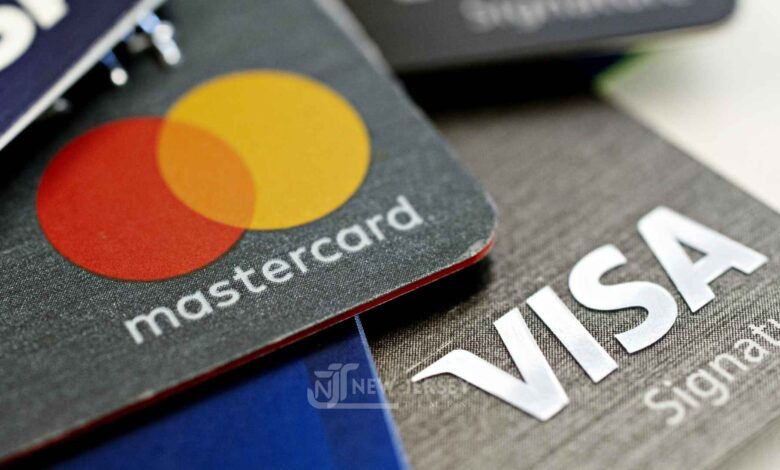
London, June 27 EST: Mastercard and Visa—two of the biggest names in global payments—just got handed a major legal setback in the UK. A Competition Appeal Tribunal has ruled that their long-standing swipe fees, charged to merchants every time a customer pays by card, violated European competition law.


It’s a ruling with teeth. The fees—technically known as multilateral interchange fees (MIFs)—have been under the microscope for years. But this is the first time a UK court has ruled that their default, cross-border and commercial charges were anti-competitive. For the card giants, it’s more than a PR hit. It’s a green light for billions in potential damages and a crack in the armor of a fee structure that props up a huge chunk of their global revenue.
The Business Model in the Crosshairs
Here’s how it works: when a customer swipes a Mastercard or Visa at checkout, the retailer pays a small fee. That fee funnels through a web of banks and payment processors—ultimately landing in Visa’s or Mastercard’s bottom line. It’s a volume game, and in aggregate, it’s big money.
But merchants have long argued these fees are too high, too opaque, and—most importantly—not set in a competitive market. According to the tribunal, they were right. The court found these default MIFs restricted market competition and unfairly padded network profits at the expense of retailers.
“This isn’t about punishing success—it’s about curbing market behavior that stifles competition,” said David Scott, partner at Scott+Scott, the law firm behind the merchant claims.
Four Billion Pounds on the Table
The ruling caps off years of litigation from UK retailers, who say they’ve been overcharged to the tune of £4 billion. These aren’t theoretical losses—they’re baked into product margins, store pricing, and how much small businesses can reinvest in growth.
And while Mastercard and Visa both plan to appeal, they’ll be fighting uphill. The tribunal’s decision was unanimous, and its conclusions are grounded in a decade-plus of regulatory scrutiny from both UK and EU watchdogs.
The fallout is already rippling. Mastercard last year settled a separate class-action suit for £200 million tied to similar claims. This new ruling could set the stage for far bigger payouts—and a precedent for lawsuits across the EU.
What’s at Stake in the Next Phase
The next round will center on a deceptively simple question: Did retailers pass those costs on to consumers?
If the court finds that they did, Visa and Mastercard could be on the hook for consumer compensation as well. That opens the door to class actions and more public scrutiny. If they didn’t, the payout would flow mostly to merchants—particularly those that haven’t already signed private settlements.
For now, both companies are leaning hard into familiar talking points. Visa defended the fees as essential to “secure and efficient payments.” Mastercard called the ruling “deeply flawed.” Neither response offered a roadmap for structural change.
The Bigger Picture: A Model Under Pressure
Interchange fees aren’t just a Mastercard-Visa issue. They’re baked into how most of the world pays for things—and how banks subsidize credit card rewards, fraud protection, and instant settlement.
But as digital payments expand and open banking gains ground, the justification for high, fixed interchange fees is getting harder to defend. Regulators want more transparency. Fintech upstarts want a piece of the pie. And now, with courts wading in, the legal risk is real.
In boardrooms and investor calls, this isn’t a side issue—it’s about defending core earnings. For both companies, interchange revenues are a critical pillar. If they’re forced to lower fees or lose pricing power in Europe, that shift could eventually spread.
Investors will be watching the appeals closely—not just for the outcome, but for signs that either company is willing to tweak a model that’s long been profitable, but increasingly hard to justify.
New Jersey Times Is Your Source: The Latest In Politics, Entertainment, Business, Breaking News, And Other News. Please Follow Us On Facebook, Instagram, And Twitter To Receive Instantaneous Updates. Also Do Checkout Our Telegram Channel @Njtdotcom For Latest Updates.

A Wall Street veteran turned investigative journalist, Marcus brings over two decades of financial insight into boardrooms, IPOs, corporate chess games, and economic undercurrents. Known for asking uncomfortable questions in comfortable suits.