
Table of Contents
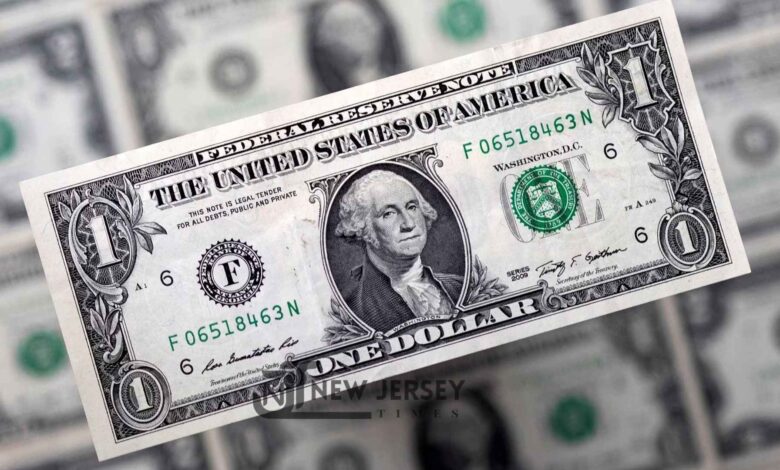
June 18 EST: The U.S. dollar is having a rough year—and it’s not just a blip. Down nearly 10% since January, the greenback is heading for its worst first-half performance since 1986. Investors, central banks, and even governments are rethinking the dollar’s role in the global system, and the consensus is shifting: this isn’t a short-term slide. It’s a regime change.

What’s Really Driving the Dollar Down?
This isn’t your typical risk-off correction or a response to a surprise Fed pivot. The decline is broad, sustained, and—crucially—global. According to Bank of America’s latest fund manager survey, the dollar is now more underweighted by large asset managers than at any time since the early 2000s. Investors aren’t just trimming exposure—they’re getting out altogether.
Reuters called the current exit “not especially speculative or cyclical.” That’s code for something deeper: structural rotation. These are long-view decisions, driven by fundamentals and policy shifts, not temporary fear or euphoria.
Global Flows Tell the Story
Big money is leaving U.S. assets. European and emerging markets are pulling in the flows that used to reflexively go to Treasuries and U.S. tech. New York Fed data shows foreign holdings of U.S. Treasuries dropped to $3.22 trillion—the lowest since 2017. That’s not noise. That’s the world’s most conservative institutions backing away.
At recent Treasury auctions, foreign demand has slumped to levels last seen in the thick of COVID chaos. It’s not just about yield—U.S. debt no longer feels like a guaranteed safe harbor.
Gold, Euros, and a New Reserve Mix
Central banks aren’t just reallocating—they’re rewriting the rules. The World Gold Council says 95% of central banks plan to add gold this year. Three-quarters say they’ll hold less in dollars over the next five years. That’s huge.
Gold prices are up 30% since January. In reserve portfolios, gold has now overtaken the euro to become the second-largest reserve asset. That’s more than symbolic. It reflects real decisions about trust, sovereignty, and geopolitical insurance.
Safe Haven? Not Lately.
The dollar has historically been the go-to asset in a crisis. But when tensions between Iran and Israel spiked this spring, the dollar barely budged. Instead, investors piled into the yen and Swiss franc. That’s a red flag. If the world won’t buy your currency in a crisis, it might not trust it anymore.
This isn’t just about Trump-era tariffs or election-year anxiety, though both play a role. It’s about debt levels, long-term governance risk, and a sense that U.S. assets no longer offer the consistency or clarity they once did.
Institutional Portfolios Are Rebalancing
Hedging costs are climbing. Real returns on dollar assets are less attractive when volatility spikes and currency depreciation eats into yield. Fund managers are responding by going heavier into eurozone debt, gold, and emerging market bonds.
Emerging market local-currency debt is suddenly hot again after years in the penalty box. Reuters reports record inflows to these markets this year, with many seeing this as a strategic—not tactical—move.
What’s Next?
Some reversals are likely—positioning is already crowded. But the larger shift appears durable. Central banks and institutional investors don’t rotate like day traders. Their moves are sticky.
Key things to watch:
- BofA fund surveys: How underweight does the dollar go?
- Fed policy: Can interest rate differentials stop the bleeding?
- Reserve updates: Will central banks follow through on gold and euro allocations?
- Geopolitical catalysts: Another crisis could either reinforce or undermine the dollar’s standing.
For now, the market is voting with its feet. The dollar’s role as the world’s default reserve and safe-haven asset is under real pressure—maybe not collapsing, but definitely cracking.
New Jersey Times Is Your Source: The Latest In Politics, Entertainment, Business, Breaking News, And Other News. Please Follow Us On Facebook, Instagram, And Twitter To Receive Instantaneous Updates. Also Do Checkout Our Telegram Channel @Njtdotcom For Latest Updates.

A Wall Street veteran turned investigative journalist, Marcus brings over two decades of financial insight into boardrooms, IPOs, corporate chess games, and economic undercurrents. Known for asking uncomfortable questions in comfortable suits.