
Table of Contents
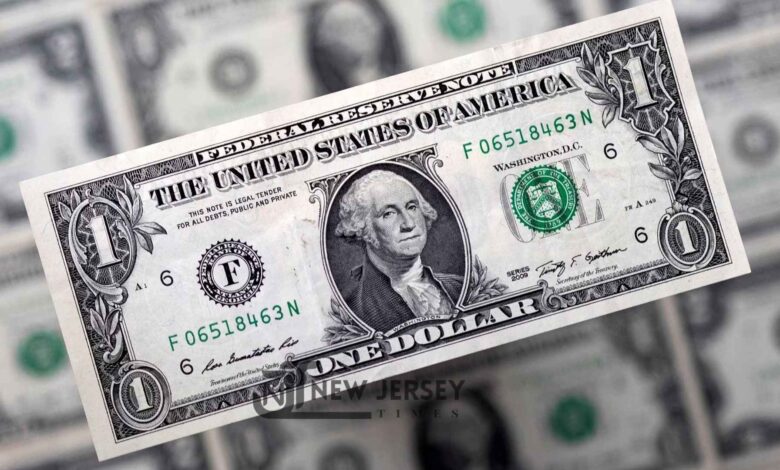
New York, June 25: The U.S. dollar took a steep leg down this week as markets recalibrated following a ceasefire between Israel and Iran, draining demand for safe-haven assets and breathing new life into risk currencies. The euro, long overshadowed in this cycle, now sits at its strongest level since late 2021.


The U.S. Dollar Index slipped into the 97–98 range, close to a three-year low. It’s not just geopolitics driving the move. Fed officials—Michelle Bowman, Christopher Waller among them—have begun softening their language around interest rates, nudging expectations closer to a potential cut. Pair that with oil prices trending lower and a quieting Middle East, and investors have their cue to move out of cash and back into global exposure.
A Rotation That’s Been Building
The euro’s breakout past $1.16 isn’t a fluke. For much of 2025, traders have been looking for a reason to shift away from the dollar’s narrow dominance. The ceasefire gave them one. So did softening inflation data and the Fed’s recent unease about tightening too far.
The move into euros isn’t just happening on spot desks—it’s showing up in options, too. According to The Business Times, bets are stacking up on a move toward $1.18 or higher by year-end. For a currency that’s been rangebound for nearly two years, that’s meaningful positioning.
This isn’t about Europe’s economy outperforming. It’s about capital hunting for yield and predictability—and, for now, the euro zone looks a little less chaotic than Washington or the Strait of Hormuz.
Risk Currencies Catch a Tailwind
Other currencies got a lift as well. The Australian dollar and yen both gained ground. These aren’t rallies based on fundamentals—they’re repricings based on risk. As investors unwind defensive trades, capital is cycling back into equities and commodity currencies.
Meanwhile, European equities rallied in tandem, helped by lower energy costs and expectations that a stable oil market could boost margins for import-heavy economies.
Where This Goes
It’s too early to call a sustained dollar downturn. But the pieces are in motion.
If the ceasefire holds and the Fed continues to hint at easing—without Powell slamming the brakes—markets may be setting up for a broader reweighting. Add in declining U.S. yields and a still-firm European Central Bank, and the euro could retake ground lost since the energy crisis upended its trajectory in 2022.
The wildcard, as always, is volatility. One misstep in Tehran, a hawkish Fed turn, or a surprise inflation print—and flows could snap back just as fast.
For now, though, traders are rotating. And the dollar is finally catching the downside of that trade.
New Jersey Times Is Your Source: The Latest In Politics, Entertainment, Business, Breaking News, And Other News. Please Follow Us On Facebook, Instagram, And Twitter To Receive Instantaneous Updates. Also Do Checkout Our Telegram Channel @Njtdotcom For Latest Updates.

A Wall Street veteran turned investigative journalist, Marcus brings over two decades of financial insight into boardrooms, IPOs, corporate chess games, and economic undercurrents. Known for asking uncomfortable questions in comfortable suits.