
Chile Moves to Shield Copper from U.S. Tariffs in High-Stakes Trade Talks
Santiago pushes for exemptions in Washington as Trump’s 50% copper duty looms over global markets

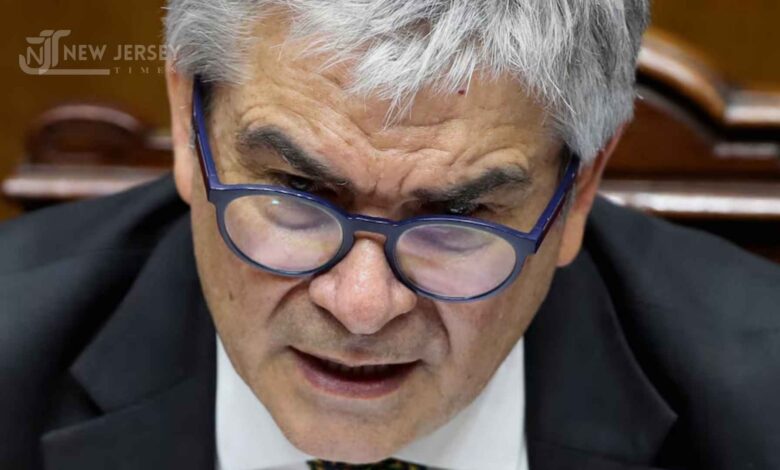
Washington, July 28 EST: Chile’s Finance Minister Mario Marcel is heading into trade talks this week with a clear agenda: keep copper out of Washington’s tariff crosshairs.


With a 50% U.S. import duty on copper slated to kick in next August under a Trump-era policy revival, Santiago is moving fast to fold the issue into broader trade negotiations rather than let it spin out as a one-off dispute. The goal is simple: avoid market chaos, keep copper flowing, and protect a key pillar of Chile’s economy.
Chile Is Betting on Diplomacy Over Retaliation
Marcel told reporters Monday that Chile wants copper tariff exemptions handled “within the architecture of existing trade talks,” not through tit-for-tat tariffs or drawn-out appeals. That’s a calculated decision. Chile supplies more than 60% of America’s refined copper imports, making it not just a top vendor, but a supply chain dependency.
So far, Chile’s response has been notably restrained. No talk of retaliatory measures. No public sparring. Just the quiet confidence of a country that knows it holds a critical export card.
This isn’t just economic diplomacy it’s risk management. Copper is to Chile what semiconductors are to Taiwan. Any disruption risks ricocheting through everything from clean energy to data centers.
Trump Tariff Threat Is Already Moving Markets
Even the prospect of tariffs has thrown copper futures into a tailspin. New York COMEX prices surged to record highs on the initial announcement, as traders priced in the worst-case. But once news broke that Chile would seek a carve-out through formal talks, the market eased slightly.
Still, volatility is baked in now. Inventories have spiked at the London Metal Exchange and Shanghai Futures Exchange, with some buyers already front-loading shipments to get ahead of the August 1, 2025 deadline.
Industry Is Watching, Nervously
At Codelco, Chile’s state-owned copper giant, the mood is tense. Executives aren’t sure whether the tariff will hit only refined copper or also catch semi-finished goods and concentrates in the dragnet. That ambiguity has left everyone from miners to exporters scrambling.
“No one’s sure what qualifies under the tariff,” one senior trader told the Financial Times. “And no one wants to be holding inventory on the wrong side of it.”
The uncertainty is bleeding into global pricing and strategy. Copper’s been on a run anyway driven by EV demand, grid expansion, and constrained mine supply but a punitive U.S. tariff could push it from bullish to unstable.
Bigger Than Copper
What’s at stake isn’t just one commodity or one country’s export ledger. The way this negotiation plays out could set the tone for how raw material suppliers engage with Washington under protectionist pressure.
Chile’s strategy is to use trade architecture as insulation essentially asking the U.S. to treat copper not as a threat, but as a necessity. And in a market increasingly defined by supply chain risk, it’s a compelling pitch.
A copper carve-out would also help U.S. manufacturers dodge price shocks. Construction firms, auto makers, and electronics producers all heavy copper users are already under margin pressure. If Chile pulls out, those costs go up.
Final Stretch, High Stakes
For now, all eyes are on the Washington talks. Chile’s negotiators are walking a fine line: pushing for exemptions without escalating tension. If they succeed, it’ll be a win not just for Santiago, but for anyone who’s tired of trade policy swinging on a populist pendulum.
But if the talks falter, the ripple effects won’t stop at customs. They’ll hit balance sheets, slow projects, and strain a market that’s already running hot.
New Jersey Times Is Your Source: The Latest In Politics, Entertainment, Business, Breaking News, And Other News. Please Follow Us On Facebook, Instagram, And Twitter To Receive Instantaneous Updates. Also Do Checkout Our Telegram Channel @Njtdotcom For Latest Updates.

A Wall Street veteran turned investigative journalist, Marcus brings over two decades of financial insight into boardrooms, IPOs, corporate chess games, and economic undercurrents. Known for asking uncomfortable questions in comfortable suits.