Brazil Moves to Shield Exporters with $5.55 Billion Credit Line After U.S. Tariff Hike
Lula government expands rebates, offers cheap credit, and buys surplus goods as Washington raises duties to 50%

August 13 EST: Brazil is opening the checkbook to keep its exporters afloat after a sudden tariff hike from the United States threatened to upend billions in trade.


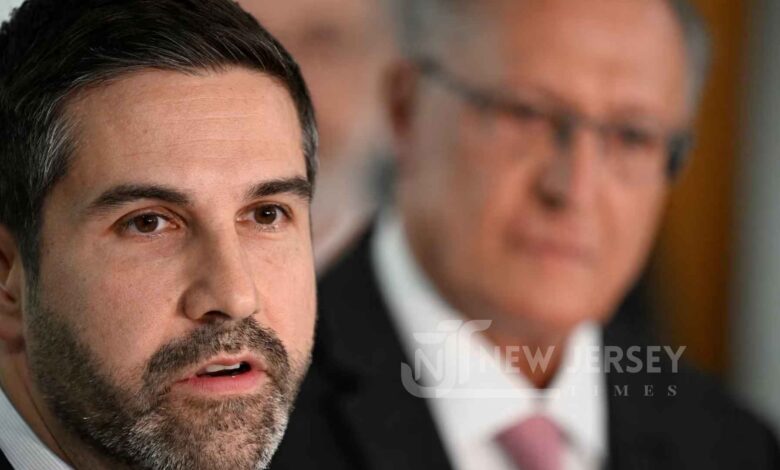
The government’s new package, unveiled Tuesday by Vice President Geraldo Alckmin, is a straightforward piece of damage control more export rebates, cheap credit, and a promise to buy unsold goods before they pile up in warehouses. It’s a pragmatic move for a country where soybeans, coffee, juice, and manufactured goods are as much a part of the economic bloodstream as oil is for the Gulf states.
Credit and Cash Flow Over Grand Gestures
At the center is a 30 billion reais (about $5.55 billion) line of credit from state development bank BNDES. The loans are designed to keep exporters liquid while they figure out how to sell into a market now charging 50% tariffs, up from 10%.
In boardroom terms, Brasília isn’t betting on heroics it’s buying time. “If you can’t sell at a profit, at least don’t sink from the financing costs while you wait,” said one São Paulo-based commodities trader, speaking off the record because negotiations with U.S. buyers are ongoing.
The Hit List Coffee, Citrus, and Anything Without a Tariff Carve-Out
Some exports Embraer aircraft and raw orange juice dodged the increase. But the rest of the citrus industry didn’t. Byproducts like pulp and essential oils could lose 1.54 billion reais (around $285 million) a year, according to industry data.
Coffee exporters are already feeling it. Shipments to the U.S. are being pushed back from September to December, creating a cash-flow squeeze. Financing costs stack up, and on top of that, traders are losing about $10 a bag in the futures market because of the delays. July exports dropped 28.1% from a year ago; Arabica shipments fell 20.6%, Robusta almost halved.
A Legal Fight Instead of a Tariff War
Rather than slap duties on U.S. goods, Brazil is going through the World Trade Organization. That’s slower, but it avoids the tit-for-tat cycle that often leaves both sides worse off. “We will defend our rights within the multilateral system,” Alckmin said, pointedly sidestepping the kind of nationalist rhetoric that can turn a trade dispute into a political standoff.
It’s a gamble. WTO rulings can take months, sometimes years, and Washington isn’t obliged to back down in the meantime. But for now, Brasília is counting on the financial cushion to keep exporters alive long enough to see if the legal route pays off.
Politics in the Background, Markets in the Foreground
The White House says the tariff hike is tied to Brazil’s prosecution of former president Jair Bolsonaro a rare instance of political grievance spilling into tariff policy between the two countries. Lula’s government calls it political pressure dressed up as trade enforcement.
Either way, the market effect is the same U.S. buyers hesitate, shipments stall, and exporters face a choice between selling at a loss or sitting on inventory. The government’s intervention buys time, but it doesn’t create new markets overnight.
The Real Test Comes Next Quarter
For many exporters, the next 90 days are about survival. Perishable goods can’t wait for WTO verdicts. Manufacturers can’t keep lines running if domestic buyers can’t absorb the surplus. And while credit eases the strain, debt is still debt.
Still, industry leaders aren’t dismissing the plan. “It’s not perfect, but it’s enough to keep people in business until we know where this lands,” said an executive in Brazil’s coffee lobby.
The package is less about winning the trade fight outright and more about avoiding a knockout in the early rounds a calculation that markets understand all too well.
New Jersey Times Is Your Source: The Latest In Politics, Entertainment, Business, Breaking News, And Other News. Please Follow Us On Facebook, Instagram, And Twitter To Receive Instantaneous Updates. Also Do Checkout Our Telegram Channel @Njtdotcom For Latest Updates.

A Wall Street veteran turned investigative journalist, Marcus brings over two decades of financial insight into boardrooms, IPOs, corporate chess games, and economic undercurrents. Known for asking uncomfortable questions in comfortable suits.