
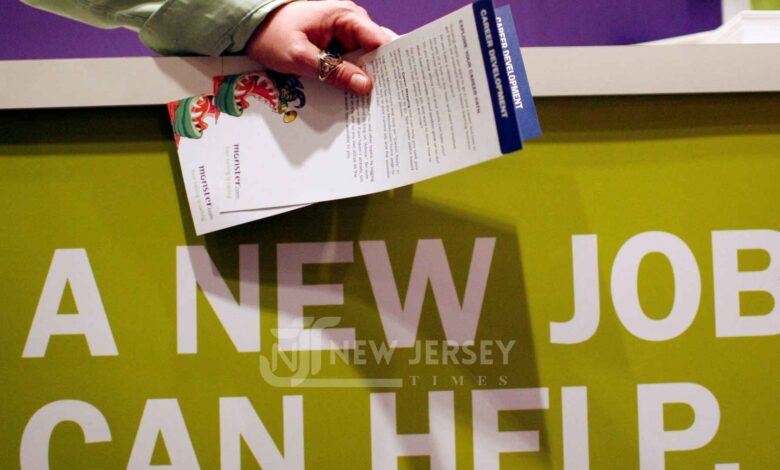
June 24 EST: CareerBuilder + Monster, once two of the most recognizable names in online recruiting, filed for Chapter 11 bankruptcy protection on Tuesday—less than a year after merging in a private equity-backed deal that never found its footing.
The company is selling off its key assets in parts: its job board business, once central to how Americans found work online, is being sold to JobGet, a mobile-first player targeting gig workers. Media properties military.com and fastweb.com are headed to Valnet Inc., while a smaller government software unit goes to Valsoft Corp.
The deals are structured under Section 363 of the bankruptcy code, giving the court oversight and keeping the door open for better bids. For now, these buyers are the stalking horses—first in line, not guaranteed winners.
In filings, the company listed assets between $50 million and $100 million, against liabilities somewhere north of $100 million and possibly up to $500 million. To keep the lights on during the sale, it has secured $20 million in debtor-in-possession financing—a typical emergency lifeline for companies in freefall.
A Merger That Never Took
The merger, announced in September 2024, was supposed to be a turnaround story. Apollo Global Management and Randstad, who’ve each had success reshaping underperforming assets, put up the money and bet on scale. The theory: two fading brands, if stitched together, could reclaim ground lost to faster, nimbler competitors.
That didn’t happen.
Less than nine months later, the company issued layoff warnings for nearly 400 U.S. employees. Insiders say more cuts are coming as operations are dismantled and sold off.
In a statement, CEO Jeff Furman tried to keep a steady tone. The filing, he said, is about “maximizing value and preserving jobs.” But those closest to the process say it’s really about damage control—selling what can still fetch a price before creditors start circling.
A Case Study in Missed Timing
This wasn’t a collapse sparked by a sudden shock. It was a slow erosion of market relevance. Monster was once synonymous with online hiring, advertising on Super Bowl Sundays and dominating search traffic. CareerBuilder, backed at one point by Tribune Media, was its closest rival. But neither company made the right bets when the hiring economy started moving toward platforms like LinkedIn, Indeed, and later, AI-first marketplaces.
They had the database, the brand recognition, even the recruiter relationships. But they didn’t rebuild for mobile. They didn’t adapt to algorithmic job matching. They didn’t deliver the kind of user experience that jobseekers expect in 2025.
Instead, they kept running on infrastructure built for the early 2000s—software, pricing, and strategy included.
According to labor market analyst Susan Holbrook, “This isn’t about one bad quarter. It’s about being outplayed for ten straight years.”
What’s Next
The bankruptcy doesn’t mean these businesses vanish. JobGet, Valnet, and Valsoft are all aiming to integrate what they’re buying—likely retooling them for very different end users.
The job board may pivot toward short-term work and mobile-first applications. Military.com and Fastweb could become content engines for lead generation. The government tech arm might be folded into a niche software portfolio.
But the legacy of CareerBuilder + Monster as consumer-facing hiring platforms? That’s likely over.
Court filings and creditor negotiations will dictate how long the bankruptcy process drags on. International units are also in play, with company officials reportedly weighing whether to sell, restructure, or shutter those arms.
Behind the scenes, AlixPartners and Latham & Watkins are managing the bankruptcy roadmap. Both are veterans of distressed deals and know how to extract value from troubled brands.
The Industry Moves On
For the broader market, this isn’t just a high-profile flameout. It’s a milestone in the reshaping of how hiring gets done in the digital economy.
Just like Craigslist lost ground to Airbnb and Zillow, and AOL gave way to Google and Facebook, CareerBuilder and Monster are being outpaced by firms that understand hiring as a data science problem, not a classifieds page.
The job board model didn’t die—it evolved. These two just didn’t.
New Jersey Times Is Your Source: The Latest In Politics, Entertainment, Business, Breaking News, And Other News. Please Follow Us On Facebook, Instagram, And Twitter To Receive Instantaneous Updates. Also Do Checkout Our Telegram Channel @Njtdotcom For Latest Updates.

A Wall Street veteran turned investigative journalist, Marcus brings over two decades of financial insight into boardrooms, IPOs, corporate chess games, and economic undercurrents. Known for asking uncomfortable questions in comfortable suits.