Saudi Forum Sets Stage As Elon Musk, Trump And MBS Advance Massive AI Deal
Musk’s 500-megawatt data-center plan with Saudi partners reshapes Washington’s AI and political landscape.


Washington, November 20 EST: By the time the lights dimmed at the U.S.–Saudi Investment Forum, it was hard to tell whether the event had been designed as a policy summit or a preview of the next global tech contest. The gathering, timed with Crown Prince Mohammed bin Salman’s visit to Washington, drew a roster that felt unusually concentrated. According to Reuters, the discussions ranged from artificial intelligence to energy logistics, but the atmosphere suggested something bigger: Washington and Riyadh testing how far their interests now overlap.What stood out early was the presence of Elon Musk and Nvidia’s Jensen Huang. Their arrival shifted the tone. Suddenly the room wasn’t just filled with ministers and diplomats; the people who build the world’s most coveted chips and models were sitting upfront, fielding questions, taking notes, and talking among themselves in a way that made the senior officials look almost secondary.

Musk Confirms Giant Data Build As Saudi Arabia Sharpens Its Pitch
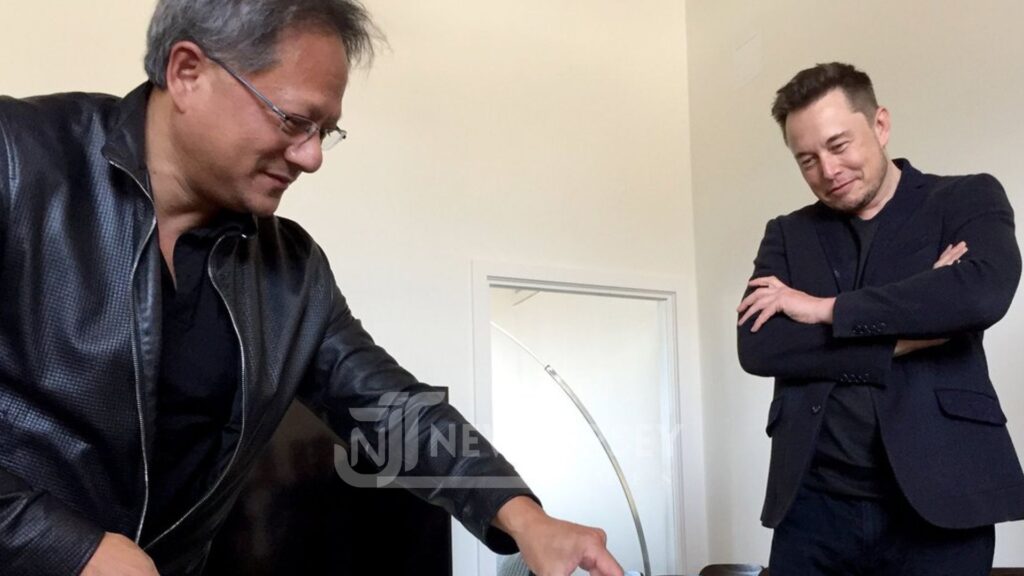
Musk, who tends to let announcements arrive on his own terms, didn’t wait long. He told the audience that xAI would join Nvidia and the Saudi partner Humain to construct a 500-megawatt computing complex inside the kingdom. Reporting from The Wall Street Journal described the project as one of the heftiest AI-infrastructure plays now underway anywhere in the world. The numbers weren’t just large; they hinted at a shift in where future computational power will be concentrated.
Saudi officials quickly echoed the announcement. The kingdom’s Ministry of Communications and Information Technology pushed out statements calling the deal part of a broader Saudi–US AI Strategic Partnership, an umbrella that appears to be expanding faster than most analysts anticipated. The ministry framed the project almost like a cornerstone to a future industrial base.
That said, the plan sits under a thicket of export rules that the United States has tightened repeatedly. High-end chips cannot move across borders without Washington signing off, and that reality remains in place no matter how ambitious the project looks on paper. Executives and officials mentioned the restrictions quietly, but the tension hovered in the background.
Trump Seizes The Moment, Blending Policy And Theater
The political portion of the event carried its own gravitational pull. According to AP News, President Donald Trump used his remarks to argue that AI is now the backbone of American economic growth. He spoke about the technology in broad strokes, focusing on leadership and speed rather than specific policy levers.
But it was the lighter moment that took off online. As India Today reported, Trump teased Musk during the dinner segment, asking if the billionaire had “ever thanked me properly.” Musk later posted a brief message of appreciation on X, which observers interpreted as part joke, part diplomacy. For a forum built around investment frameworks, the exchange offered an unexpectedly personal subplot.
Still, Trump’s larger point held: the White House wants the public to see Saudi investment as a tool that strengthens U.S. competitiveness, not a challenge to it. He made that case repeatedly, weaving it into most of his comments.
Musk’s Predictions Stir Old Arguments In A New Room
Musk’s futurist streak returned later in the program. According to People, he told attendees that advancing AI and robotics would eventually make “work optional” and render “money irrelevant.” The phrasing was classic Musk: abrupt, speculative, and broad enough to trigger immediate debate.

Critics didn’t hold back. Coverage cited by The Times of India described the comments as disconnected from current labor conditions and tilted toward a vision that works mainly for those already holding significant economic power. Supporters countered that Musk was simply sketching an endpoint on a timeline that’s moving quicker than most people realize.
Either way, the remarks brought a philosophical tension into a forum that had been grounded in tangible investment numbers just hours earlier.
Riyadh Pushes Forward, Betting On Energy And Scale
Saudi Arabia’s strategy emerged clearly as the day unfolded. As Reuters noted in its broader coverage, the kingdom wants to leverage its energy resources and financial capacity to become an AI-computation hub. The thinking is straightforward: AI needs power, land, and cooling. Saudi Arabia has all three in abundance.
The Washington gathering made that case repeatedly, sometimes explicitly, sometimes through the sheer size of the deals being discussed. The crown prince’s team appeared intent on projecting confidence that the country can support the next generation of AI infrastructure, even if the regulatory path in Washington isn’t fully settled.
Human-rights groups and some lawmakers remain wary of expanded tech ties with Riyadh, but those critiques rarely made it into the public sessions. The business community, at least during the forum, focused more on the scale of the opportunity.
Nvidia Balances Diplomacy With Market Pressure
Nvidia, still holding the strongest position in the global AI-chip market, approached the event with a mix of visibility and caution. Huang participated in discussions beside Musk and Saudi officials, signaling that the company intends to stay central to the region’s computational projects.
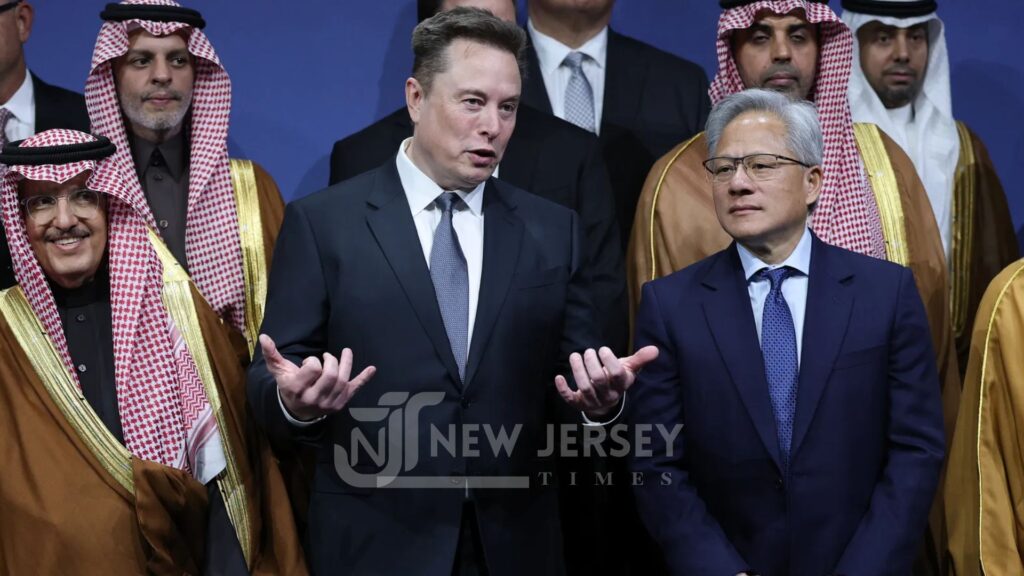
People watching the talks noted that Nvidia’s situation is complicated. The company’s hardware remains subject to U.S. export controls, and yet nearly every government and tech consortium of consequence is scrambling to install more compute capacity. Huang’s presence suggested he’s navigating those pressures directly rather than from a distance.
What Washington Walks Away With
The forum wrapped with plenty of unanswered questions. No detailed roadmap for the 500-megawatt project was released, and timelines remain unclear. Analysts referenced by Reuters and the Journal expect more concrete details in the coming months, particularly around financing and grid integration.
But the broader takeaway is harder to miss. The alignment among Musk, Huang, Trump, and the Saudi delegation may not be permanent, but for this moment their interests intersected in a way that reshapes how AI power blocs are forming. What happens once the regulatory and political realities tighten again is the part no one was ready to predict.
New Jersey Times Is Your Source: The Latest In Politics, Entertainment, Business, Breaking News, And Other News. Please Follow Us On Facebook, Instagram, And Twitter To Receive Instantaneous Updates. Also Do Checkout Our Telegram Channel @Njtdotcom For Latest Updates.

A Wall Street veteran turned investigative journalist, Marcus brings over two decades of financial insight into boardrooms, IPOs, corporate chess games, and economic undercurrents. Known for asking uncomfortable questions in comfortable suits.