
Washington, June 23 EST: After years of complaints and policy posturing, America’s largest health insurers have agreed to scale back a notoriously cumbersome part of U.S. healthcare prior authorization.

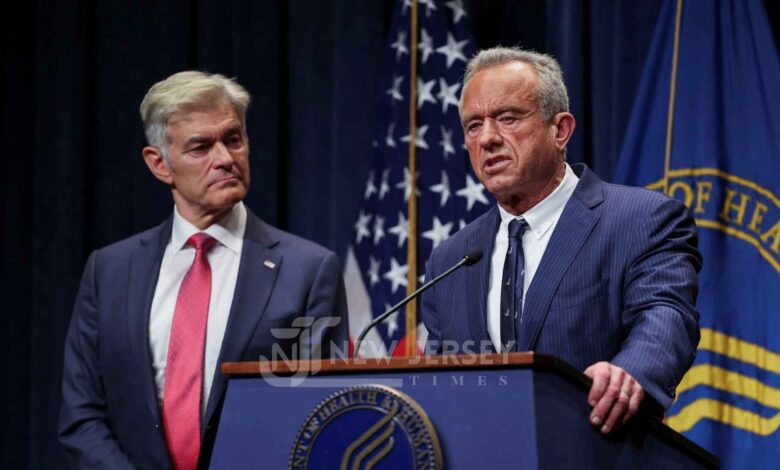
At a closed-door meeting in D.C., Health Secretary Robert F. Kennedy Jr. and CMS Administrator Dr. Mehmet Oz secured formal commitments from six top insurers—including UnitedHealthcare, Cigna, Aetna, Humana, Kaiser Permanente, and Blue Cross Blue Shield—to overhaul how and when care approvals are required.
The deal marks one of the most coordinated industry pledges in recent memory, with implications for roughly 250 million insured Americans.
What’s Changing—and When
Under the agreement, insurers will implement six reforms over the next two years, all aimed at trimming the red tape that physicians say delays patient care and wastes time:
- Digital-only submissions: No more faxes or mailed forms
- Industry-standard APIs: All systems must run on FHIR-based platforms by 2027
- Reduced prior auth scope: Fewer procedures will require pre-approval by 2026
- Grace periods for plan transitions: Approvals will hold for 90 days across insurance switches
- Real-time approvals: At least 80% of electronic requests must get instant decisions
- Medical review of denials: No more blanket denials without a doctor’s eyes on them
The reforms are voluntary, but not casual. CMS plans to publish a list of insurers following through and may consider regulatory mandates if progress stalls.
Real Stakes, Not PR
The move isn’t just political optics. For providers and health systems, prior auth has long been a resource drain—a paperwork bottleneck that gums up everything from MRI approvals to routine physical therapy referrals. It costs time, money, and, often, clinical outcomes.
And for patients? It can mean waiting days for approval to start chemo, or being forced to delay a surgery because an insurer hasn’t stamped the right form.
For years, the system stayed largely unchanged because everyone agreed it was broken—just not enough to fix it.
This time, that changed. What finally tipped it was a tragedy: the December killing of a UnitedHealthcare executive, reportedly by a man furious over delayed treatment for a family member. That event, though extreme, triggered congressional inquiries and dragged the issue back to the surface.
Big Payers Blink
Insurers didn’t arrive at the table by choice. They were pushed—by regulators, lawmakers, and public sentiment. But they didn’t leave empty-handed.
The industry got what it often prefers: a chance to self-regulate before federal rules kick in. Kennedy and Oz made it clear that if results don’t materialize, oversight will.
The incentive isn’t just to avoid legislation. It’s to retain control over how tech upgrades and operational shifts play out. Moving to FHIR-standard APIs may sound technical, but for insurers, it’s an overhaul in IT architecture—a significant cost but also an opportunity to clean up bloated admin systems.
Market Lens: Why It Matters
Healthcare eats nearly 20% of U.S. GDP, and administrative overhead is a major chunk of that. Prior authorization is one of the most loathed inefficiencies in the system, blamed for everything from physician burnout to patient attrition.
For insurers, trimming it down is a reputational win at a time when public trust is low and regulators are circling. For health systems, it’s a potential savings lever. For startups working on healthcare automation? It’s a green light—FHIR-compliance just became more than a buzzword. It’s a new table stake.
Insurers have been here before with soft deadlines and PR-forward pledges. What makes this different is who’s watching. This time, it’s not just HHS. It’s Congress, the public, and a market that’s sick of excuses.
New Jersey Times Is Your Source: The Latest In Politics, Entertainment, Business, Breaking News, And Other News. Please Follow Us On Facebook, Instagram, And Twitter To Receive Instantaneous Updates. Also Do Checkout Our Telegram Channel @Njtdotcom For Latest Updates.

A Wall Street veteran turned investigative journalist, Marcus brings over two decades of financial insight into boardrooms, IPOs, corporate chess games, and economic undercurrents. Known for asking uncomfortable questions in comfortable suits.