

The Unbelievable “Will Smith” World Series Streak Faces Its Biggest Test Tonight
For five straight years, a player named Will Smith has lifted the World Series trophy. Now the Dodgers’ catcher is fighting to keep the wildest streak in baseball alive.

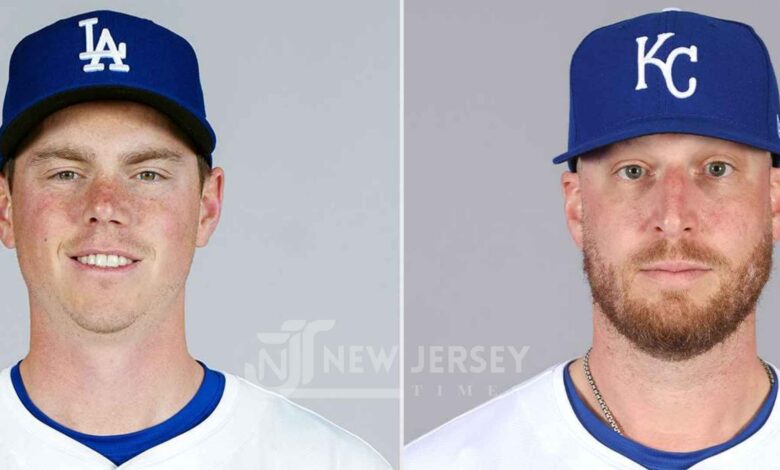
Los Angeles, October 29 EST: Somewhere between superstition and straight-up sorcery, the name Will Smith has turned into baseball’s strangest good-luck charm. Five years running, a man named Will Smith has ended his season with a World Series ring on his hand. Two different players, same name, same magic.


Now here we are again Dodgers vs. Blue Jays, 2025 World Series, lights burning a little too bright at Dodger Stadium, and the question hanging in the smog: can the streak survive one more October?
The Craziest Coincidence in the Game
It’s almost stupid how it started. Back in 2020, the Dodgers finally broke their 32-year drought. Catcher Will Smith the quiet Kentucky kid with a catcher’s scowl was right in the middle of it.
Then came 2021. Different Will Smith entirely. This one a reliever for the Braves, throwing heat and closing games like his heartbeat barely moved. Braves win. Will Smith again.
Fine. Two years, funny story. Then he wins again with the Astros in 2022. And again with the Rangers in 2023. By that point, people stopped laughing and started checking birth certificates.
Fast-forward to 2024, the Dodgers go all the way again, and boom catcher Will Smith’s back in the champagne storm. That made five straight championships with a Will Smith on a roster. Five. Straight. Years.
You can’t plan that. You can barely explain it. But you feel it, because baseball’s the only sport where coincidence feels like destiny.
The Catcher Who Won’t Crack
This version of Will Smith doesn’t talk much. Doesn’t preen, doesn’t flex. He just grinds.
In Game 3, the man caught 18 innings that’s two full games of squatting, signaling, and taking foul tips off every part of the human body that can bruise. Most catchers would’ve been hooked to an IV after that. Smith? He was back in the lineup for Game 4 like it was a Tuesday in June.
Manager Dave Roberts didn’t hesitate. “He’s the engine,” Roberts told True Blue LA. “You don’t take the engine out mid-series.”
And it’s not just defense. In Game 2, Smith launched a home run that yanked the Dodgers back into the fight. He’s been the heartbeat of this team never the loudest, just the one who keeps the pulse steady when things get messy.
That’s what makes this whole “Will Smith streak” thing so much fun. It’s not luck. It’s work, sweat, stubbornness, and a little bit of baseball voodoo.
A Running Joke That Turned Into Religion
Ask any fan in the bleachers nobody even knows when the meme started. Somewhere around the third straight championship, social media decided “having a Will Smith” was basically a cheat code.
Now, it’s part of the lore. Fans joke that the real secret to roster construction isn’t analytics or payroll it’s making sure you’ve got a Will Smith somewhere on the bench.
But there’s something deeper under the jokes. Because these two guys pitcher and catcher, total strangers have ended up defining the modern era of championship baseball without ever meaning to.
That’s the kind of story this sport lives for. You can’t Photoshop that. You can’t fake it with a PR team. It just happens.
And when it does, it sticks.
Tonight’s the Night
Game 5, October 29. Series hanging by a thread. Toronto’s lineup has been relentless, but so have the Dodgers. It’s one of those World Series runs where you can almost hear the crowd inhale between pitches.
If the Dodgers win, the streak hits six. Six straight years with a Will Smith holding the trophy. If they lose, the spell breaks. Just like that. Gone.
Smith doesn’t care for the superstition. “I just want the ring,” he said earlier this week, according to People. Classic catcher line short, no drama. But you know he feels the weight. Everyone does.
The Blue Jays have been clawing, pitching like their lives depend on it. But there’s something about this Dodgers team something steady, something stubborn. They’ve been here before.
You can bet that if Will Smith’s name flashes on the scoreboard again tonight, you’ll feel 50,000 people holding their breath, half for the score, half for the story.
The Beautiful Madness of Baseball
This streak five years, one name isn’t about stats anymore. It’s about how baseball makes the ridiculous feel sacred.
Because sure, you can measure launch angles and spin rates all you want. But you can’t measure fate. You can’t chart a coincidence that keeps happening long enough to make the whole country grin.
And that’s why this matters. Because for all its spreadsheets and science, baseball still leaves room for something impossible something that feels like magic you can touch.
So when Will Smith crouches behind the plate tonight, sweat dripping, mask fogged, knees screaming just remember what’s at stake. Not just a title. Not just a number. But one of those rare, perfect, too-crazy-to-make-up stories that baseball seems to hand out when the rest of the world stops believing.
If the streak lives, the legend grows. If it dies, it dies beautifully like everything that ever mattered in October.
New Jersey Times Is Your Source: The Latest In Politics, Entertainment, Business, Breaking News, And Other News. Please Follow Us On Facebook, Instagram, And Twitter To Receive Instantaneous Updates. Also Do Checkout Our Telegram Channel @Njtdotcom For Latest Updates.

A former college-level cricketer and lifelong sports enthusiast, Arun Upadhayay brings the heart of an athlete to the sharp eye of a journalist. With firsthand experience in competitive sports and a deep understanding of team dynamics, Arun covers everything from grassroots tournaments to high-stakes international showdowns. His reporting blends field-level grit with analytical precision, making him a trusted voice for sports fans across New Jersey and beyond.



