
Nvidia’s China Comeback Runs Into a Wall of Supply Problems
Despite U.S. approval to resume chip exports, Nvidia can’t meet demand without TSMC restarting stalled production lines.

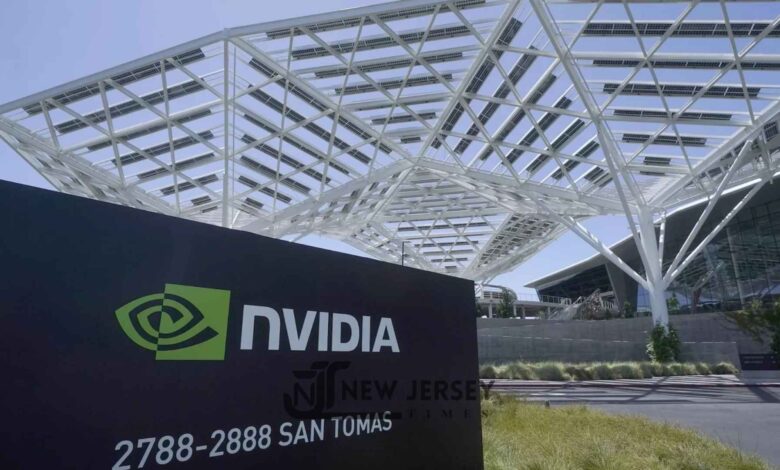
July 19 EST: Nvidia’s much-anticipated return to the Chinese AI market is already losing altitude—less because of U.S. regulators, and more because the company can’t build the chips fast enough.


After getting the green light to resume exports of its H20 processors—its most advanced chips still legally allowed into China under U.S. rules—Nvidia now finds itself short on supply and stuck in a manufacturing jam that won’t clear anytime soon.
No Chips, No Sale
The issue isn’t on the licensing side. That box is already checked. Nvidia has told customers in China that it’s ready to ship H20s again, but there’s a catch: inventory is tight, and there’s no new production coming online to fix that anytime soon.
The root problem? Taiwan Semiconductor Manufacturing Company (TSMC), Nvidia’s key foundry partner, mothballed the H20 production lines back in April when the original U.S. ban kicked in. Since then, TSMC’s fabs have been busy with other clients—and Nvidia hasn’t yet asked them to switch those lines back over.
According to The Information, even if Nvidia placed the order today, it could take as long as nine months to get H20 production fully ramped up again. That puts meaningful shipment volumes well into 2026.
Old Orders, New Friction
When the U.S. tightened export rules this spring, Nvidia scrapped existing H20 orders and gave up its reserved capacity at TSMC—freeing it up for competitors. That decision made sense at the time. But now, in trying to restart Chinese sales, Nvidia is facing a very different problem: you can’t ship what you haven’t built.
And that misstep is leaving Chinese buyers like Tencent, ByteDance, and Baidu stuck in the same long line, all eyeing the same small pile of available chips.
RTX Pro: The Backup Plan
To plug the gap, Nvidia is planning to introduce a new chip: the RTX Pro, a U.S.-compliant GPU built for the Chinese market. Early word is that it’ll suit factory automation and edge computing, but it won’t come close to the performance ceiling that the H20 reaches for large-scale AI training and inference.
In other words, this isn’t a drop-in replacement. It’s a way to stay in the room while Nvidia waits for the fabs to catch up.
Political Winds, Unchanged Direction
Technically, Nvidia is back in China. But operationally, it’s not delivering at scale and that disconnect is already drawing fire. On Capitol Hill, Rep. John Moolenaar, chair of the House’s Select Committee on China, has openly criticized the move to allow H20 exports, arguing they give Beijing a long-term edge in AI infrastructure.
Still, Commerce Secretary Gina Raimondo has defended the decision, saying that export controls were never meant to block all sales—only to cap China’s access to the highest-end compute power. The H20, while powerful, falls below that cutoff.
What It Means for Nvidia
For the short term, the best-case scenario is that Nvidia ships a small number of H20s to Chinese customers out of existing stock. That won’t make a dent in demand, but it might keep the company in play.
Medium-term, the reality is slower: unless TSMC reshuffles its fab allocations quickly, H20 production won’t materially resume before next spring. Nvidia has to compete for foundry capacity just like everyone else and it’s not yet clear if China sales are the priority.
Long-term, Nvidia’s bet is diversification. The RTX Pro and other China-specific chips could build a product line better suited to the regulatory gray zone. But unless the company finds a way to deliver serious performance without running afoul of U.S. export law, its biggest customers in China may keep looking elsewhere.
New Jersey Times Is Your Source: The Latest In Politics, Entertainment, Business, Breaking News, And Other News. Please Follow Us On Facebook, Instagram, And Twitter To Receive Instantaneous Updates. Also Do Checkout Our Telegram Channel @Njtdotcom For Latest Updates.

A Wall Street veteran turned investigative journalist, Marcus brings over two decades of financial insight into boardrooms, IPOs, corporate chess games, and economic undercurrents. Known for asking uncomfortable questions in comfortable suits.