
Bronx Building Collapse: Gas Explosion Rocks NYC High-Rise
FDNY says Bronx apartment tower partially collapsed after suspected gas explosion no injuries reported

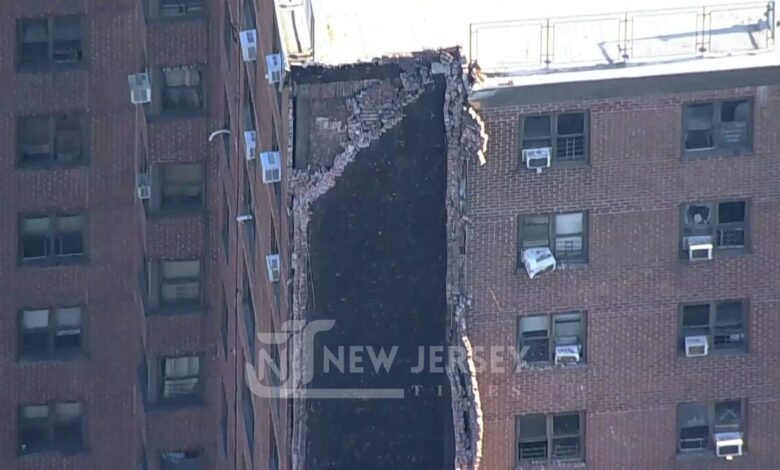
New York City, October 1 EST: The sound came first a crack like a thunderclap then the sight of bricks and concrete tumbling from the side of a Bronx high-rise onto Alexander Avenue.


It was just after 8 a.m. at the Mitchel Houses, one of the city’s massive public housing complexes in Mott Haven. By some miracle, no one was hit.
Panic in the Morning Rush
The streets around the towers are usually jammed at that hour. Kids heading to school, buses grinding down 135th Street, workers rushing to catch the 6 train. Today, when the incinerator shaft of one tower gave way, the sidewalk beneath was empty.
“It felt like the building blew up from the inside,” said Carmen Rodriguez, who has lived there nearly 30 years. She grabbed her grandson and bolted. “We’ve smelled gas before, but nobody listens. Nobody.”
Emergency Crews Flood the Block
By the time the dust cleared, FDNY trucks lined the block. Police pushed crowds back. Con Edison workers yanked open manholes to check the gas lines.
Deputy Chief Joseph Jardin said the failure appeared contained to the incinerator shaft, but no one was taking chances. “The rest of the structure looks stable,” he told reporters, “but we’re checking floor by floor.”
Residents stood in clusters, some still in pajamas, clutching pets or plastic bags with clothes stuffed inside. The air carried the faint odor of gas mixed with dust.
“This Could Have Killed Dozens”
Photos show jagged chunks of facade scattered across the avenue, denting car roofs. Had the collapse happened ten minutes later, when kids were walking back from breakfast programs or neighbors were on their way to work, the outcome would’ve been very different.
“This could have killed dozens of people,” one firefighter said, shaking his head. “We got lucky. You can’t count on luck.”
NYCHA’s Troubled History
The Mitchel Houses, built in the 1960s, are part of the city’s vast NYCHA system home to roughly half a million New Yorkers but notorious for failing infrastructure. Complaints about gas leaks, mold, broken elevators, and heating outages stretch back years.
Housing advocates say Wednesday’s collapse isn’t an isolated scare. “It’s what happens when the city ignores maintenance,” said one organizer on scene. “People live with danger every single day in these buildings.”
City officials wouldn’t answer directly when asked about prior gas complaints. They confirmed records exist and are being pulled as part of the investigation.
Residents Left in Limbo
By late morning, police tape still sealed off the block. Families waited outside, some leaning against strollers, others scrolling their phones for updates. Nobody knew if they’d be allowed back in or if they’d need emergency shelter tonight.
The Fire Marshal is now investigating the explosion’s cause. The Department of Buildings is assessing whether the tower remains safe for occupancy. Neither agency gave a timeline.
For tenants, it’s another night of uncertainty in a place where breakdowns have become routine.
“I raised my kids here,” said longtime resident Louis Santiago. “You put up with leaks, with no heat, with roaches. But now walls are falling into the street? That’s not living. That’s waiting for disaster.”
New Jersey Times Is Your Source: The Latest In Politics, Entertainment, Business, Breaking News, And Other News. Please Follow Us On Facebook, Instagram, And Twitter To Receive Instantaneous Updates. Also Do Checkout Our Telegram Channel @Njtdotcom For Latest Updates.

Trained in war zones, raised in Newark, and seasoned in city hall, Jordan blends grit reporting with deep integrity. From floods to finance bills, they’re always first on scene and last to leave.