John Cena, Randy Orton, and Punk Teases Steal the Show at WWE SummerSlam Kickoff
WWE’s SummerSlam warm-up at the Javits Center delivers big personality, surprise shots, and Cena fully leaning into the heel role

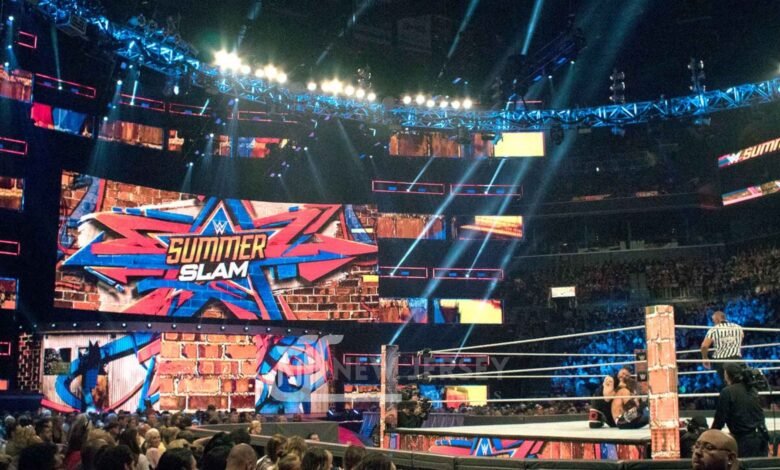
Table of Contents
New York, June 21 EST: If WWE’s goal for the SummerSlam Kickoff was to crank fan hype into overdrive, mission accomplished. Saturday’s event at the Javits Center wasn’t about fireworks or finishers—it was about vibe. Think less WrestleMania pyros, more Comic-Con meets locker-room confessional. And with Randy Orton, John Cena, and a surprise CM Punk tease thrown in? The vibe was loud.

- Jerry Lawler Issues First Statement After Third Stroke RecoverySeptember 15, 2025

Randy Orton: Cooler Than the Other Side of the Ring
Randy Orton came out first, and let’s be real—he didn’t even try to fake enthusiasm. That’s the Orton way. When fans chanted his entrance theme, he deadpanned, “I don’t know that part.” Classic Viper energy: brooding, bemused, effortlessly intimidating.
But when talk shifted to a potential King of the Ring final against either Cody Rhodes or Jey Uso, his guard dropped just a touch. He gave both their flowers, but if you’ve watched Orton long enough, you know: the Cody match is the one he wants. There’s legacy in that ring—and not just Cody’s.
As for a potential WWE Championship showdown with either John Cena or CM Punk? He barely blinked. Said he’d “eventually” face Punk, but made it crystal clear: he’s more interested in kicking Cena’s ass. That’s a quote. And you better believe the crowd ate it up.
Cena Heels It Up—And Loves Every Second
John Cena rolled in with all the subtlety of a Twitter feud. Hair a little extra slick, smirk dialed to eleven, and a mic in his hand like it owed him money. The chants of “Cena sucks” hit before he even spoke—and this time, he wanted them.
The most eyebrow-raising moment? Cena all but confirmed the rumors swirling around a Punk altercation. He smirked and told fans to “watch the video”—you know, in that “I’m not saying it happened but I definitely want you to think it did” way.
He name-dropped Seth Rollins, too, teasing a possible three-way feud that would melt wrestling Twitter. If this is Cena’s heel arc, it’s not subtle—and frankly, we’re here for it. He’s leaning into the hate like it’s the Attitude Era again, and if nothing else, he’s making it fun.
Quick Cameos, Maximum Buzz
It wasn’t just a Cena-Orton show. We got flyby promos from Rhea Ripley, Becky Lynch, Jey Uso, Bron Breakker, Tiffany Stratton, and even Paul “Triple H” Levesque—all making quick appearances that felt less like scripted promos and more like reality TV teasers.
Ripley looked locked in, like someone who knows she’s returning to something big. Breakker and Stratton? WWE’s clearly grooming them for main-event status. Stratton especially came off like the Regina George of wrestling—intense, unbothered, and camera-ready.
A Kickoff with Bite, Not Filler
Here’s the thing: this wasn’t just a puff promo fest. WWE used the Kickoff to plant seeds and stir pots. No matches, no costumes, no overproduced fluff. Just stars talking, teasing, and casually flipping the chessboard on fan expectations.
Orton’s calm fury. Cena’s heel renaissance. Punk lurking in the shadows. The SummerSlam fuse is lit, and now all eyes are on who lights it up first.
New Jersey Times Is Your Source: The Latest In Politics, Entertainment, Business, Breaking News, And Other News. Please Follow Us On Facebook, Instagram, And Twitter To Receive Instantaneous Updates. Also Do Checkout Our Telegram Channel @Njtdotcom For Latest Updates.

A former college-level cricketer and lifelong sports enthusiast, Arun Upadhayay brings the heart of an athlete to the sharp eye of a journalist. With firsthand experience in competitive sports and a deep understanding of team dynamics, Arun covers everything from grassroots tournaments to high-stakes international showdowns. His reporting blends field-level grit with analytical precision, making him a trusted voice for sports fans across New Jersey and beyond.
- Arun Upadhayay
- Arun Upadhayay
- Arun Upadhayay
- Arun Upadhayay
- Arun Upadhayay
- Arun Upadhayay
- Arun Upadhayay
- Arun Upadhayay
- Arun Upadhayay
- Arun Upadhayay
- Arun Upadhayay
- Arun Upadhayay
- Arun Upadhayay
- Arun Upadhayay