

Midtown Manhattan Shooter Missed NFL Target, Killed Four in 345 Park Avenue Rampage
Gunman sought to attack NFL offices but mistakenly went to the wrong floor; NYPD officer among those killed

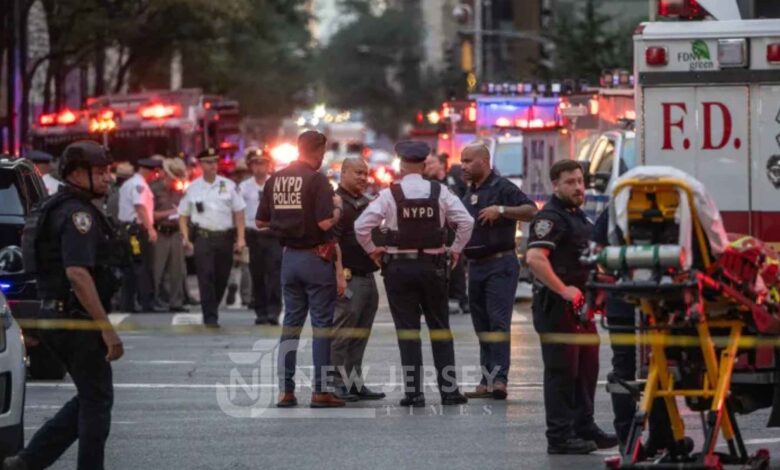
New York, July 29 EST: It was just another Monday evening in Midtown Manhattan until it wasn’t. At roughly 6:30 p.m. EDT, a man exited a double‑parked BMW, casually carrying what witnesses later heard was an M4‑style rifle. Inside 345 Park Avenue, the lobby was bustling with people winding down their day. Then came the shots.

Chaos erupted. The man moved with purpose. The first victim was an off-duty NYPD officer, Didarul Islam, age 36. Islam, working a private security detail, confronted the gunman and was fatally shot. Colleagues remember him as calm, brave and now gone.
The shooter, later identified as 27‑year‑old Shane Devon Tamura from Las Vegas, wasn’t done. He got into the elevator bank but not the right set. Instead of heading to the NFL’s offices on floors 5 through 8, he ended up on the 33rd floor, occupied by Rudin Management. At least one more person was killed. Before officers arrived, Tamura turned the weapon on himself.
In total, four people were killed: Officer Islam, a Blackstone executive, a security guard, and one other person whose identity remains private. That executive was Wesley LePatner, a senior managing director remembered inside Blackstone and beyond as generous, sharp-minded, a mentor to many. One person was wounded an NFL employee and is said to be stable in hospital care.
Investigators found a three‑page handwritten note on Tamura. He wrote about suffering from CTE, blamed the NFL for allegedly hiding brain injury risks, and demanded his brain be studied after death. But Tamura never played in the NFL or college. He was a high school football player, briefly at best. There’s no evidence he had CTE.
Mayor Eric Adams addressed the media with a blunt line: “His real target was the NFL,” he said. “He just took the wrong elevator.” Still, when fate or error closed the wrong door, innocent people paid the price.
After the shooting, NFL Commissioner Roger Goodell sent a memo to staff. He acknowledged the injury, expressed sorrow, and detailed measures: grief counseling, remote work options, tighter security at the offices. That memo ended with a simple reassurance: “We are focused on keeping you safe.”
Police Commissioner Jessica Tisch praised Officer Islam for placing himself between the shooter and the rest of the lobby. “His selflessness may well have saved lives,” she said. Indeed, Islam had moved from Bangladesh years ago, rose through the NYPD, and leaves behind a wife and young children.
Now, authorities are digging deeper: Tamura’s travel route, mental health history, online activity, and how he legally bought the weapon in Nevada. They are also reviewing how anyone with a rifle walked into a high‑profile building that houses the NFL, Blackstone, and KPMG.
Outside the building, rubrics of grief began to form a growing sea of candles, flowers, and notes many thanking Officer Islam. The unmoving quiet of Midtown was replaced by solemn reflection.
This tragedy isn’t tidy. It doesn’t fit neatly into a single category: workplace violence, mental health crisis, copycat fixation even. It feels more like the unraveling of a troubled individual someone who misdirected his grief and rage, creating a ripple that will last long after midtown’s lights come back on.
New Jersey Times Is Your Source: The Latest In Politics, Entertainment, Business, Breaking News, And Other News. Please Follow Us On Facebook, Instagram, And Twitter To Receive Instantaneous Updates. Also Do Checkout Our Telegram Channel @Njtdotcom For Latest Updates.

Trained in war zones, raised in Newark, and seasoned in city hall, Jordan blends grit reporting with deep integrity. From floods to finance bills, they’re always first on scene and last to leave.



