

Christmas Day News: Faith, Politics, And Unexpected Moments Across America
From presidential messages and papal appeals to viral airport cheer and Times Square controversy, Christmas Day 2025 reflected a country at rest and in motion.

New York City, December 25 EST: Christmas has a reputation for stillness. The country exhales, phones go quiet, inboxes pause. And yet, the news never really leaves the room. It just speaks more softly.

This Christmas Day in the United States carried that familiar tension. Faith and politics shared the same oxygen. Joy broke through in unexpected places. Arguments showed up anyway. It was not dramatic. It was not neat. It felt like a real holiday lived in real time.
Christmas Messages Carry Weight Beyond The Holiday
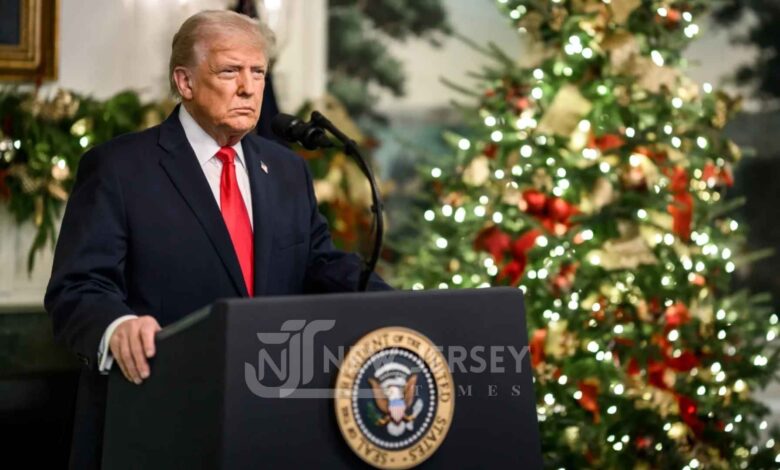
In Washington, the White House released its Christmas message early Wednesday, keeping with a tradition that stretches back generations. The language was familiar and deliberately calm. It spoke of faith, service, and the spiritual meaning of Christmas, according to the official statement.
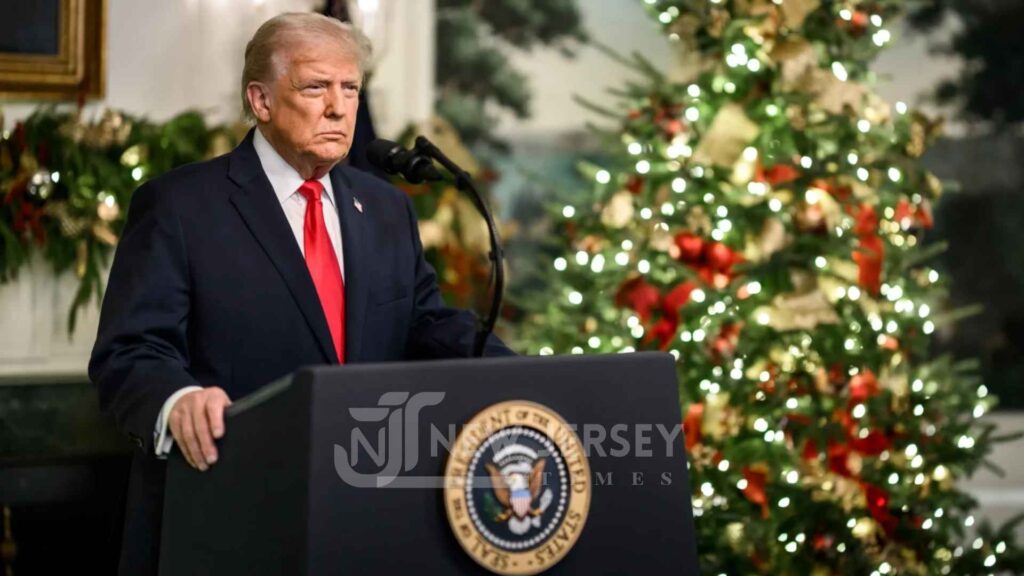
The message was not designed to surprise anyone. It was meant to settle in, to sound reassuring on a day when Americans expect steadiness more than spectacle.
Over in Rome, the tone shifted.
At St. Peter’s Basilica, Pope Leo delivered his first Christmas sermon as pope. As reported by Al Jazeera, he focused on suffering rather than celebration, calling attention to war, displacement, and civilian hardship, particularly in Gaza.
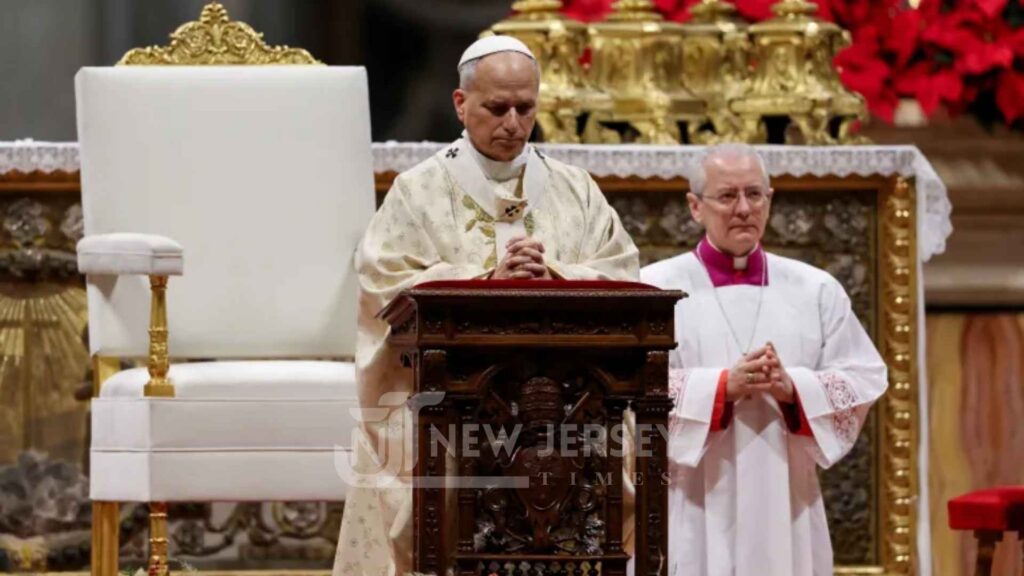
The sermon was restrained but heavy. He spoke of families without shelter and children growing up amid violence, tying those realities to the origins of the Christmas story itself. The message traveled quickly, well beyond the Vatican walls.
Back in the United States, the United States Conference of Catholic Bishops echoed that approach. Their Christmas reflections urged Americans to look outward, emphasizing humility, openness, and responsibility to others at a time when social division feels entrenched.
Not every headline carried that weight.
Holiday Cheer Breaks Through At A Crowded Airport
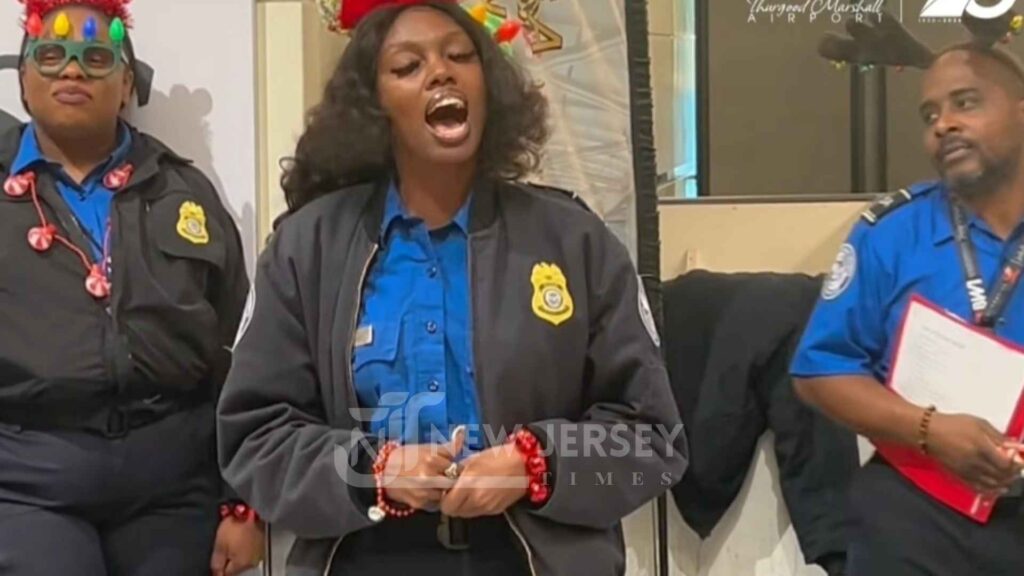
Inside Baltimore/Washington International Airport, Christmas showed up in a different form. According to People.com, a group of TSA agents surprised travelers by singing Mariah Carey’s “All I Want for Christmas Is You.”
It was not polished. It was not planned. That was the appeal.
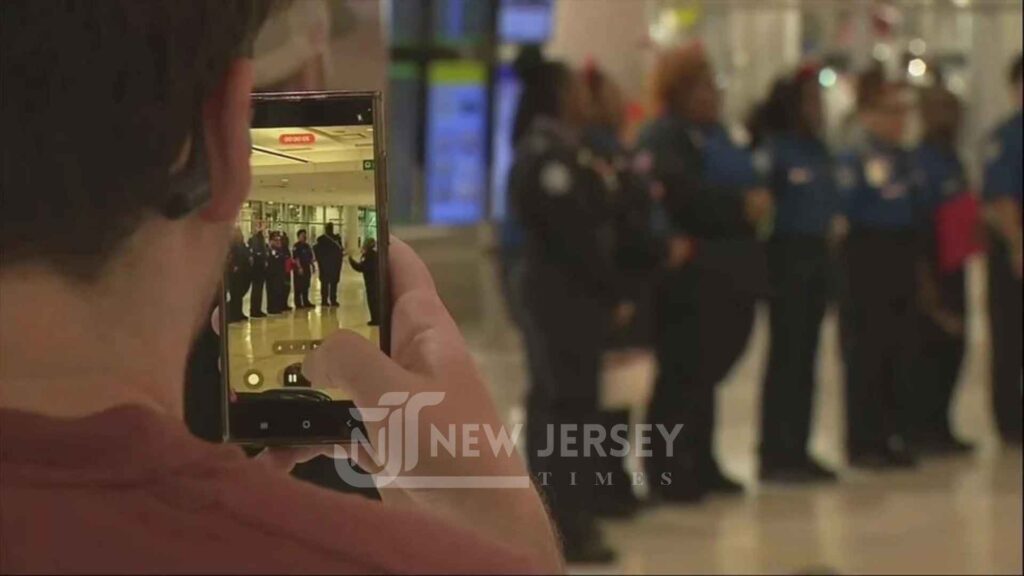
Passengers stopped walking. Phones came out. A few people sang along. In a space usually defined by anxiety and hurry, the moment landed as a brief release. TSA officials later said the performance was spontaneous, something employees did on their own.
For many travelers, that mattered. It felt unscripted. It felt human.
A Billboard In Times Square Sparks Pushback
In Times Square, Christmas crowds moved under bright lights and holiday displays. One message, though, cut through the noise.
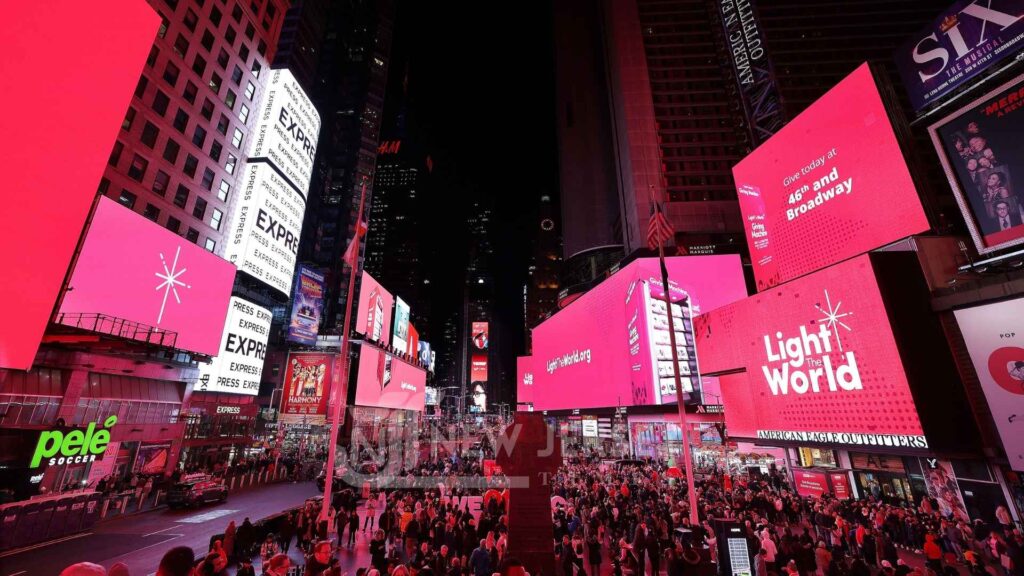
A billboard reading “Jesus is Palestinian” drew criticism from tourists, according to the New York Post. Some visitors called it divisive and inappropriate for Christmas, arguing that the space is meant for celebration, not confrontation.
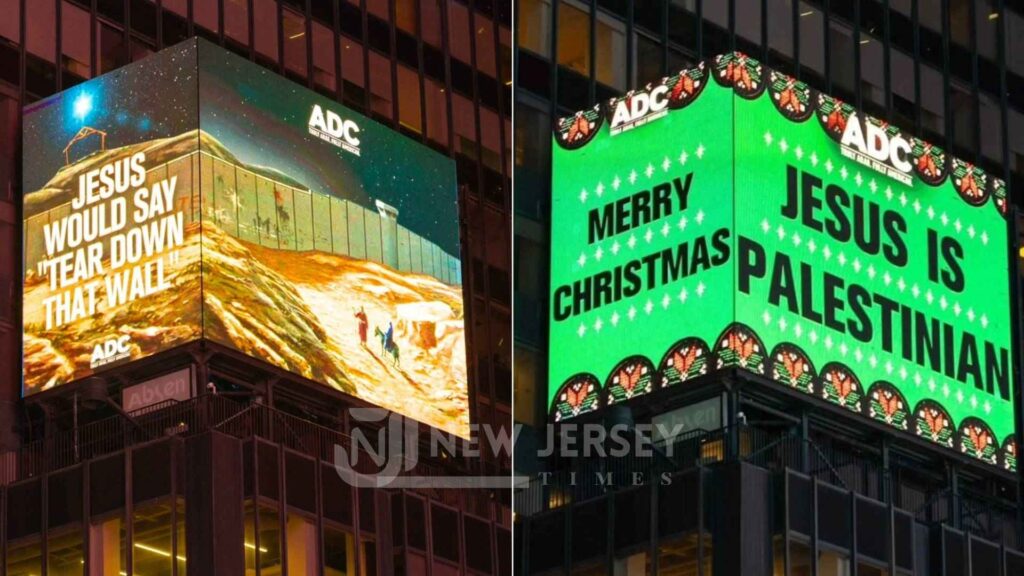
Supporters of the message defended it as a political expression. Critics saw it as an unnecessary provocation. Police were visible nearby, though authorities said there were no serious incidents connected to the display.
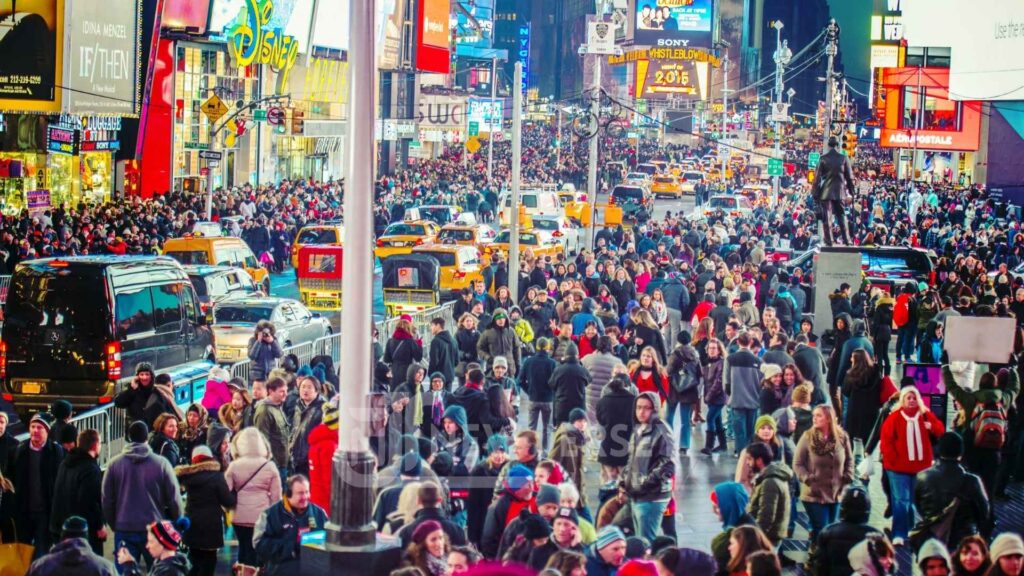
For many passing through, the sign became a reminder that global conflicts do not pause for holidays, even in the middle of Manhattan.
A Diplomatic Gesture That Spoke Quietly
Christmas also produced a small diplomatic signal.
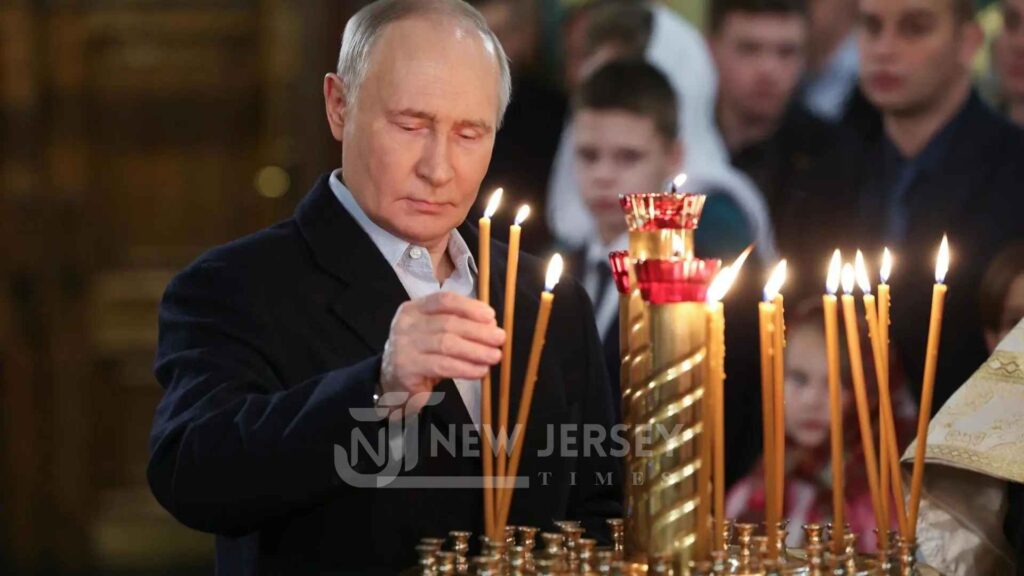
According to Reuters, the Kremlin confirmed that Vladimir Putin sent a Merry Christmas greeting to Donald Trump. Russian officials stressed that the exchange was limited to a formal message and did not involve a phone call.
Analysts told Reuters that such gestures are largely symbolic, particularly given the strained relationship between Russia and the United States. Still, symbolism carries weight when communication is otherwise sparse.
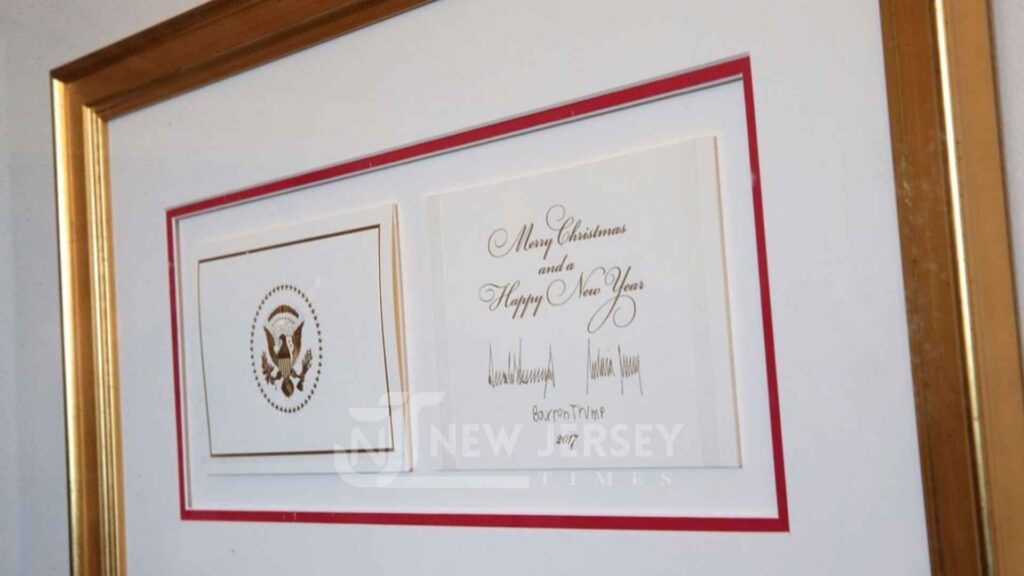
Nothing further was announced.
A Familiar Parade Anchors Christmas Morning
For many families, Christmas morning followed a familiar rhythm.
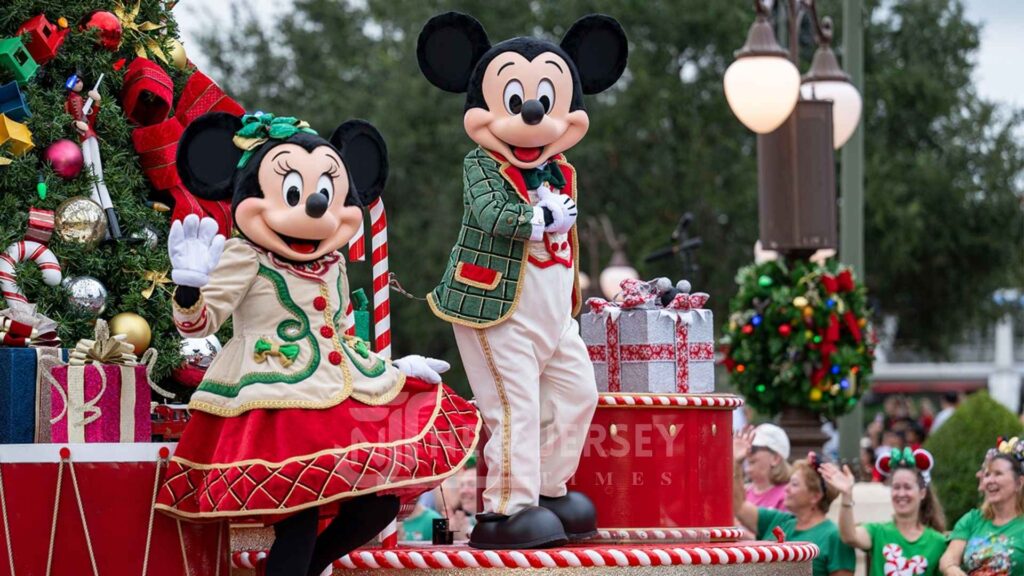
The 2025 Disney Parks Magical Christmas Day Parade aired on ABC, filling living rooms with floats, pop performances, and the predictable comfort of tradition. The parade remains a staple for households with young children, even as viewing habits shift toward streaming later in the day.
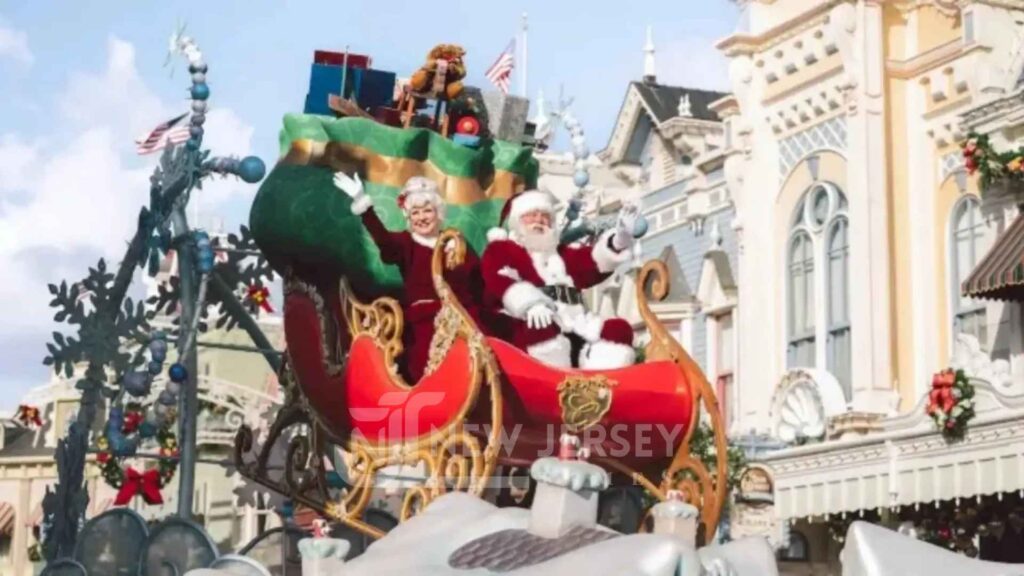
Media analysts note that while audiences now watch on their own schedules, the parade still anchors Christmas morning for millions. Some rituals, it turns out, bend without breaking.
A Short Pause Before The News Returns
Some outlets leaned into the holiday quiet. Streetsblog USA published a brief Christmas edition wishing readers a Merry Christmas and noting a pause in regular coverage.
Others, including Iowa Capital Dispatch, offered reading lists and reflective essays aimed at a slower day, when people might finally have time to sit and read.
That pause will not last long. Newsrooms are already preparing for the final days of the year.
Christmas Day 2025 did not resolve anything. It rarely does. Instead, it reflected the world as it is. Uneven. Emotional. Sometimes joyful. Sometimes uncomfortable. Even on a day built around peace and goodwill, the world kept showing up. And people, in their own ways, met it where they were.
New Jersey Times Is Your Source: The Latest In Politics, Entertainment, Business, Breaking News, And Other News. Please Follow Us On Facebook, Instagram, And Twitter To Receive Instantaneous Updates. Also Do Checkout Our Telegram Channel @Njtdotcom For Latest Updates.

Trained in war zones, raised in Newark, and seasoned in city hall, Jordan blends grit reporting with deep integrity. From floods to finance bills, they’re always first on scene and last to leave.



