
Stranger Things 5 Volume 2 Pushes the Show Into Its Darkest Endgame Yet
Netflix’s final stretch leans into lore, loss, and long-awaited revelations as Hawkins braces for the end.


Hawkins, December 26 EST: Netflix didn’t just unwrap Volume 2 of Stranger Things Season 5 on Christmas night. It dropped it like a mic. Three episodes. Zero chill. And just enough emotional damage to keep fans spiraling straight through the holidays.


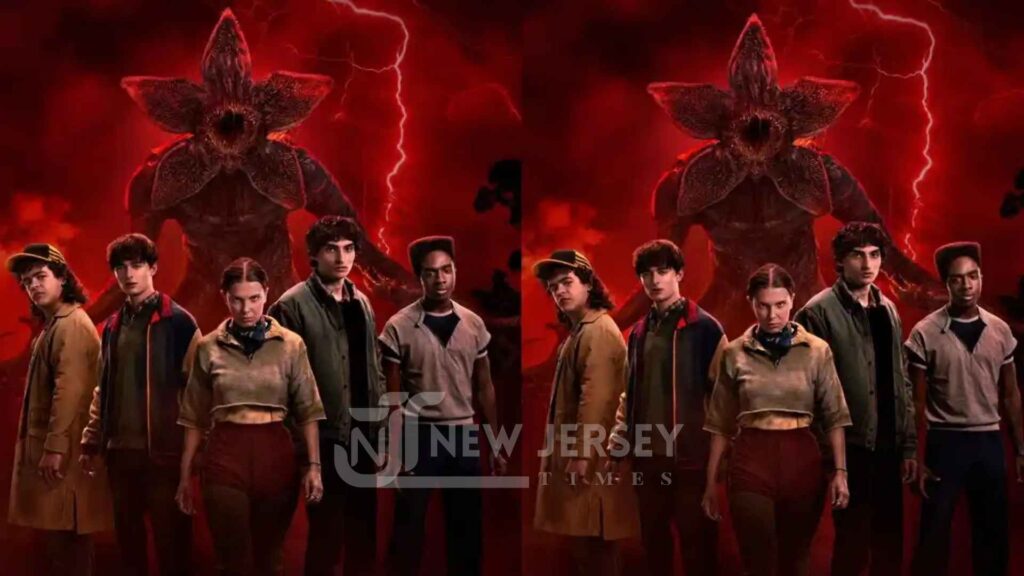
Episodes 5 through 7 landed at 8 p.m. ET on December 25, and within minutes, timelines were flooded with theories, screen grabs, and the familiar refrain: wait, they’re ending it like that? The answer, of course, is not quite. The series finale is still locked in for New Year’s Eve, December 31, and Netflix is clearly betting that we’ll all be too emotionally invested to log off before midnight.
Netflix Turns The Finale Into An Event Again
Let’s be honest. This isn’t binge television anymore. This is appointment viewing, the kind Netflix used to pretend it didn’t care about. By splitting the final season into volumes and saving the last episode for December 31, Netflix has effectively turned Stranger Things into a year-end ritual.
According to Entertainment Weekly, the final episode is massive in scale and hits the ground running. Translation: no gentle goodbyes, no easing out. Just straight into the emotional wreckage.

Volume 2, meanwhile, plays like a long inhale before the scream. It’s dense, lore-heavy, and very aware that it’s no longer setting things up for later seasons. This is endgame storytelling, for better or sometimes messier.
Vecna Levels Up And The Show Leans Into Its Mythology
If Volume 1 was about regrouping, Volume 2 is about revealing cards. Chief among them is Vecna, who finally stops lurking in the shadows and starts explaining the plan.

The big shift here is scope. Vecna is no longer just after Hawkins or revenge. According to Netflix’s Tudum breakdown and further reporting from People.com, his goal centers on the Abyss, a deeper, more unstable layer beneath the Upside Down that could permanently collapse the barrier between worlds.
There’s also the much-discussed escape through the MAC Z gate, which feels less like a victory and more like a warning shot. The gates can be breached. Contained chaos is no longer contained. Hawkins, once again, is very much not safe.
The show leans hard into its mythology here, sometimes almost daring viewers to keep up. For fans who’ve been mapping the Upside Down since Season 1, it’s catnip. For everyone else, it’s a reminder that Stranger Things has fully evolved from Spielbergian nostalgia into full blown sci fi epic.
Will Byers Finally Steps Into The Center
For years, Will Byers has been the show’s emotional barometer. Quiet. Sensitive. Haunted. Volume 2 finally lets him become something more than the kid who survived.
The reveal that Will can channel Vecna’s powers is the kind of twist that instantly reframes the entire series. People.com reports that the ability isn’t about domination or strength but emotional access. Will doesn’t overpower Vecna. He understands him.
That distinction matters. It also makes Will terrifying and vulnerable in equal measure. The show has always linked trauma to power, and nowhere is that clearer than here. Will’s connection to the Upside Down isn’t fading. It’s evolving.
It’s also one of the few reveals that feels genuinely earned. This has been seeded since Season 2, and Volume 2 finally cashes the check.
Eleven Faces The Cost Of Being The Hero
While Will discovers new layers, Eleven continues her slow reckoning with what it means to be the show’s chosen one.

Gone is the certainty of earlier seasons. Volume 2 leans into fatigue, doubt, and the creeping sense that power doesn’t equal control. In interviews with Variety, the creators hinted that Eleven’s arc may not resolve neatly, and the episodes back that up.
There’s an unmistakable shift in tone around her character. Victory is no longer guaranteed. Survival is no longer free. And sacrifice is very much on the table.
It’s a smart move. Letting Eleven struggle, not just fight, grounds the show emotionally as it barrels toward its conclusion.
The Duffer Brothers Pull Back The Curtain Carefully
In spoiler-filled conversations with Variety, Duffer Brothers made it clear that Volume 2 is about answers, but not closure.

Yes, the origins of the Upside Down are finally explained. Yes, long-running questions are addressed. But the brothers also acknowledged that not every mystery gets a tidy bow. Some things are meant to linger.
That restraint is notable. With a fandom this invested, the temptation to overexplain is real. Instead, Volume 2 trusts viewers to sit with ambiguity, even if it’s uncomfortable.
Fans React, Critics Debate, The Internet Spirals
The reaction has been predictably loud and deeply divided. Some critics, including NDTV, have been harsh, arguing that the season leans too heavily on legacy goodwill. Others have praised the emotional weight and ambition, even when the pacing stumbles.
Online, the conversation is relentless. Will theories are everywhere. Eleven discourse is intense. Vecna memes, somehow, are thriving.
That’s the thing about Stranger Things at this stage. Even when it frustrates, it dominates. Few shows can still command this level of collective attention eight years in.
One Last Episode, No Easy Endings
Volume 2 doesn’t try to satisfy. It tries to unsettle. It asks viewers to sit with uncertainty and reminds them that Hawkins has never been saved without loss.
With the finale just days away, Stranger Things feels less like a nostalgia machine and more like a show willing to risk discomfort in pursuit of something lasting.
Whether it sticks the landing is still an open question. But Volume 2 makes one thing clear: this series isn’t coasting out. It’s going out swinging.
New Jersey Times Is Your Source: The Latest In Politics, Entertainment, Business, Breaking News, And Other News. Please Follow Us On Facebook, Instagram, And Twitter To Receive Instantaneous Updates. Also Do Checkout Our Telegram Channel @Njtdotcom For Latest Updates.

Little Mavilach leads New Jersey Times with a sharp editorial instinct and a relentless eye for truth. Known for blending old-school newsroom rigor with modern digital sensibility, Mavilach ensures that every headline, feature, and investigation meets the highest standards of clarity, relevance, and public service. With a background in media entrepreneurship and cross-platform publishing, Mavilach is the silent force behind NJT’s bold voice in journalism.