Brent Hinds, Mastodon Co-Founder, Dies at 51 in Atlanta Motorcycle Crash
The guitarist who redefined metal with Mastodon was killed in a late-night collision in Atlanta, just months after parting ways with the band.

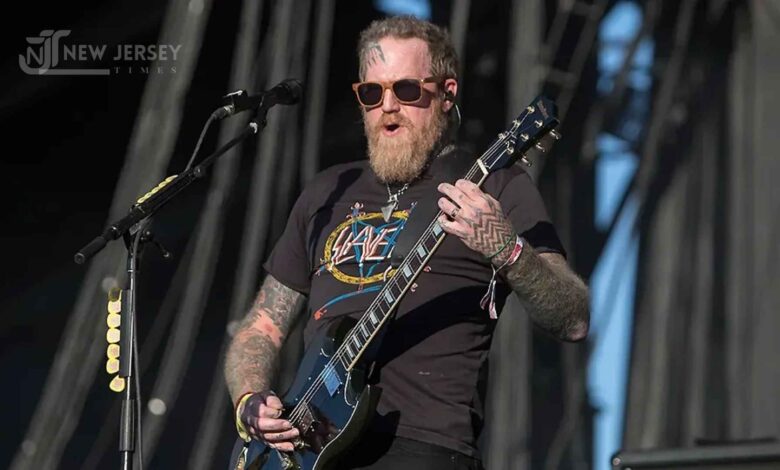
August 21: The metal world lost one of its great wild cards last night. Brent Hinds, the hard-laughing, harder-shredding guitarist who co-founded Mastodon, was killed in a motorcycle crash in southeast Atlanta. He was 51.


According to Atlanta police, Hinds was riding his Harley-Davidson near Memorial Drive and Boulevard around 11:35 p.m. when a BMW SUV making a left turn failed to yield and struck him. He was found unresponsive at the scene and later pronounced dead. The accident remains under investigation.
The Southern Eccentric Who Changed Metal
For fans, Hinds wasn’t just Mastodon’s guitarist he was its chaos agent, the unpredictable, tattooed lifeblood who gave the band its swampy twang and cosmic crunch. Born William Brent Hinds in Alabama in 1974, he spent 25 years carving Mastodon’s signature blend of sludge, prog, and Southern weirdness into the bedrock of heavy music.
From the crushing opener of Remission to the Grammy-winning stomp of Sultan’s Curse, Hinds’ fingerprints were all over the band’s evolution. He could go from a bruising riff that felt like a bar fight to a shimmering solo that sounded like staring into a galaxy often within the same track.
And when he wasn’t with Mastodon? He was chasing side hustles as wild as his mustache, the surf-punk strangeness of Fiend Without a Face, the whiskey-soaked cabaret of West End Motel, even a short-lived supergroup, Giraffe Tongue Orchestra. Hinds seemed constitutionally allergic to playing it straight.
Also Read: Zoë Kravitz Raves About Taylor Swift’s The Life of a Showgirl, “No Skips”
A Breakup Before the End
The timing makes his death sting harder. Back in March, Mastodon and Hinds announced a split “mutual,” but unexpected after a quarter-century. Fans were still adjusting to the idea of a Mastodon without him. Now, that separation feels final in a way nobody wanted.
As Consequence noted earlier this year, Hinds’ departure marked the end of an era. Last night’s news sealed it.
Also Read: Ian McKellen Teases Gandalf and Frodo’s Return in The Hunt for Gollum
Mastodon Speaks, Fans Reel
His former bandmates put it bluntly in a statement Thursday morning,
“We are in a state of unfathomable sadness and grief… Brent Hinds passed away as a result of a tragic accident. We are heartbroken, shocked, and still trying to process the loss of this creative force.”
Across metal Twitter, Reddit, and Instagram, the reaction was a mix of disbelief and gut-punch grief. One fan wrote simply, “Holy fuck, what an awful and sad way to go out.” Another called him “a Southern outlaw poet with a Gibson in hand.”
That captures what made Hinds matter he wasn’t a polished rock star, he was the kind of unfiltered, beer-spilling, deeply human guitarist who made metal feel dangerous and alive.
A Legacy Etched in Noise and Nerve
Mastodon were never just a band for headbangers. They were critics’ darlings, festival mainstays, and a crossover story that had them rubbing shoulders with Metallica, Queens of the Stone Age, and even Game of Thrones (remember when they cameoed and wrote a track for the show?). Through all of it, Hinds remained Mastodon’s raw nerve.
The riffs live on Leviathan still rages, Crack the Skye still aches, Hushed and Grim still mourns. But the man behind so many of those licks is gone, and that absence will echo.
For now, fans will crank the volume, pour one out, and remember a guitarist who never played it safe in life or on stage.
New Jersey Times Is Your Source: The Latest In Politics, Entertainment, Business, Breaking News, And Other News. Please Follow Us On Facebook, Instagram, And Twitter To Receive Instantaneous Updates. Also Do Checkout Our Telegram Channel @Njtdotcom For Latest Updates.

A bi-coastal pop culture critic and former indie screenwriter, Gia covers Hollywood, streaming wars, and subculture shifts with razor wit and Gen Z intuition. If it’s going viral, she already knew about it.