
Jon Bernthal Opens Up About Fatherhood, Family, and the Role That Changed Him Most
Inside the actor’s fiercely private life with Erin Angle and their three children, including the health crisis that reshaped everything.

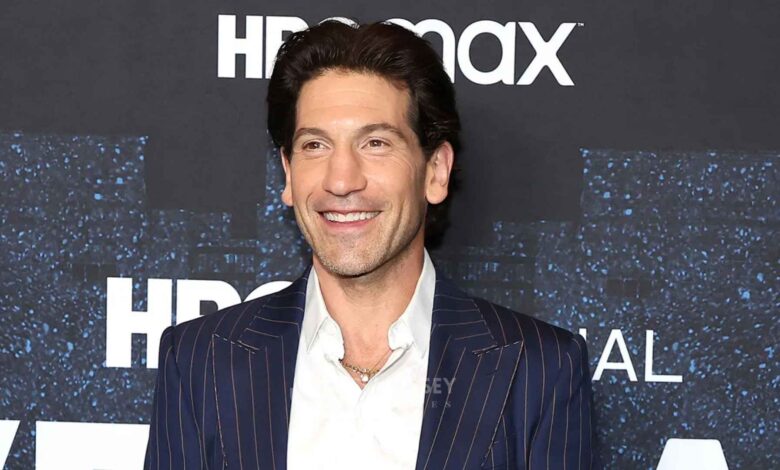
Los Angeles, January 14 EST: If Jon Bernthal has built a career on men who live close to the edge, his real-life priorities sit somewhere far quieter. A new People magazine feature published today pulls back the curtain on Bernthal’s home life with his wife Erin Angle and their three children, and it lands less like a celebrity profile than a check-in with someone who has figured out what actually matters.


Bernthal, married to Angle since 2010, shares sons Henry, 15, and Billy, 13, and daughter Adeline, 11. While his résumé runs through cultural juggernauts like The Walking Dead and beyond, People’s reporting makes one thing unmistakable. The center of gravity in Bernthal’s life is not Hollywood. It is his family.
Fame Can Wait, Family Can’t
Bernthal has never pretended to be precious about the industry. He loves the work, respects the craft, and still shows up with ferocity. But as People notes, the actor has become increasingly blunt about where fame ranks in his personal hierarchy.
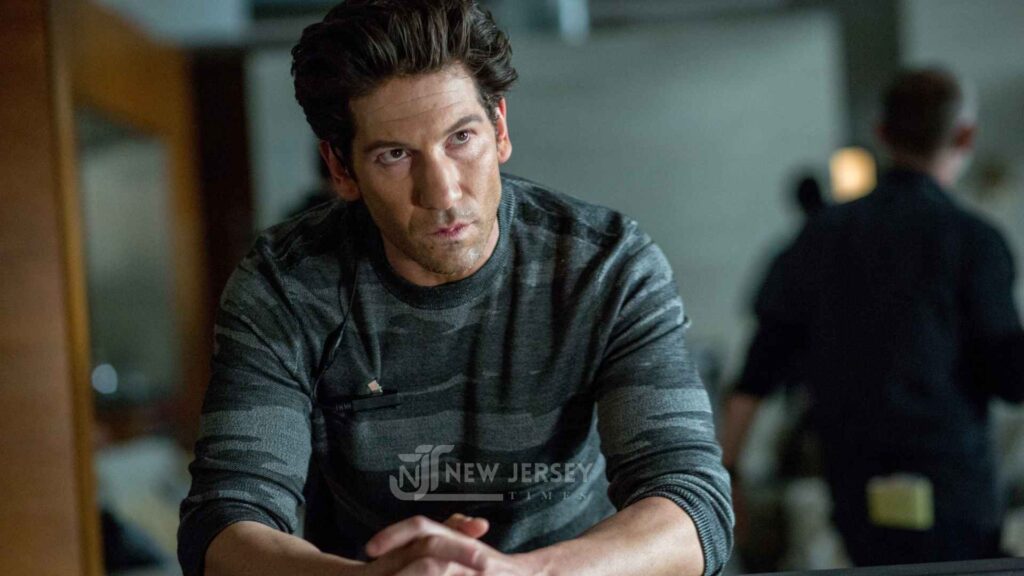
That clarity, according to the feature, starts with Angle, a trauma nurse whose professional world is defined by high-stakes decisions and emotional steadiness. The two met long before Bernthal became a familiar face, and that pre-fame bond continues to set the tone. They are not a red-carpet family. Their kids are not accessories. Privacy is not a strategy. It is a value.
Bernthal still works relentlessly, but he schedules his life around school calendars, practices, and hospital rooms when needed. Hollywood fits in where it can.
Henry Bernthal, 15
Born in 2011, Henry is the oldest and the one Bernthal talks about with a mix of pride and visible ache. In a June 2025 interview with The New York Times, the actor called Henry his “best friend” and “battle buddy,” then immediately admitted that watching his son grow more independent “kills me.”
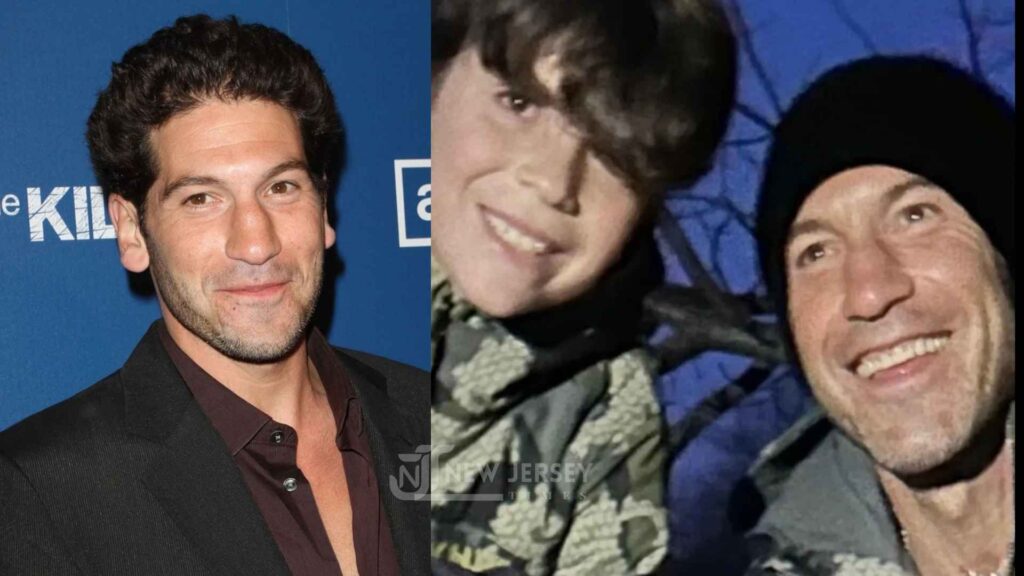
It is the kind of line that lands because it is not polished.
Henry has trained in jiu-jitsu from a young age and shares his father’s passion for boxing. According to People, the physical discipline is not about toughness for toughness’s sake. It is about focus, respect, and ritual. Bernthal wears a glove pendant in Henry’s honor, a small symbol that says more than a long speech ever could.
Still, the feature makes clear that Bernthal is conscious of not turning his son into a mirror of himself. Encouragement, not pressure, is the rule.
Billy Bernthal, 13
Billy, born in 2013, came up just as early in the martial arts world, starting jiu-jitsu at age 2. Now, according to People, he is a competitive football and basketball player, juggling multiple sports with school and family life.
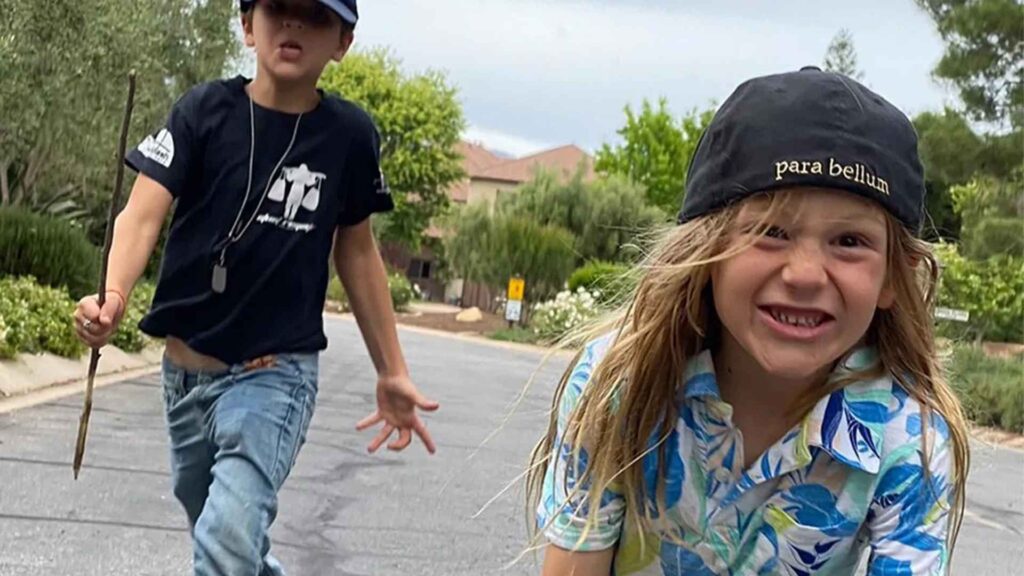
Billy tends to stay out of public view, but the reporting paints a picture of Bernthal as a hands-on parent here too. Early mornings. Long drives. Sidelines instead of soundstages when it counts.
Bernthal has spoken before about how team sports teach accountability and humility. Billy, by all accounts, is absorbing those lessons in real time.
Adeline Bernthal, 11
The emotional core of People’s feature centers on Adeline, the youngest, and a medical emergency that nearly upended everything.
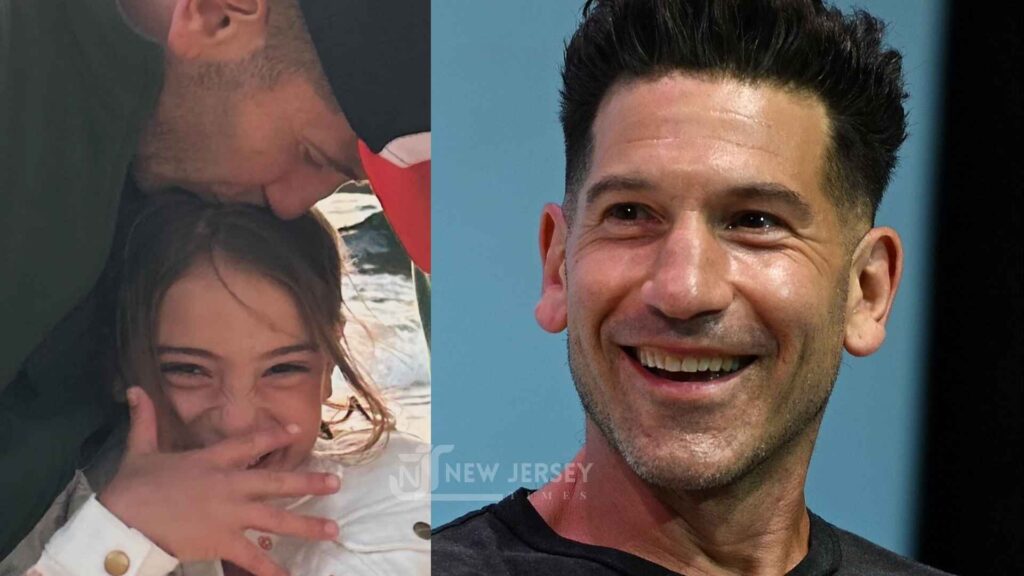
Born in 2015, Adeline was just 2 years old when she was diagnosed with encephalitis, a serious condition involving brain inflammation. According to People and earlier reporting, she slipped into a three-day coma, a stretch of time Bernthal has described as utterly disorienting.
At the time, he was set to appear in First Man. He walked away from the project without hesitation. There was no calculation involved.
When Adeline woke up, the recovery was slow and frightening. People reports that she initially did not recognize her family, a detail that still lands hard. Throughout the ordeal, Angle remained at her side, navigating care and recovery with the same steadiness she brings to her professional life.
Today, Adeline is healthy and thriving. She spends her time making paper cranes and visiting a horse ranch, small joys that feel quietly hard-earned.
The Role That Changed Everything
What makes this feature resonate is not sentimentality. It is specificity. Bernthal does not frame fatherhood as a brand or a redemption arc. He talks about it as work. Emotional work. Daily work.

He has openly acknowledged the guilt that comes with long shoots and time away. He has admitted that no amount of success makes leaving home easier. That honesty, unvarnished and unslick, is part of why fans stay invested.
At a moment when celebrity culture often feels performative, Bernthal’s version of devotion reads as stubbornly real. No speeches. No curation. Just a man who knows exactly where his priorities live.
For now, as People lays it out, Bernthal continues to balance intensity on screen with intention off it. The roles will come and go. The work will evolve. But the thing anchoring him appears settled.
In a business built on reinvention, there is something quietly powerful about an actor who keeps choosing the same thing, and never feels the need to apologize for it.
New Jersey Times Is Your Source: The Latest In Politics, Entertainment, Business, Breaking News, And Other News. Please Follow Us On Facebook, Instagram, And Twitter To Receive Instantaneous Updates. Also Do Checkout Our Telegram Channel @Njtdotcom For Latest Updates.

A bi-coastal pop culture critic and former indie screenwriter, Gia covers Hollywood, streaming wars, and subculture shifts with razor wit and Gen Z intuition. If it’s going viral, she already knew about it.