
Table of Contents
Fed Chair Jerome Powell is watching a new wrinkle in the inflation story—import tariffs—and he’s not downplaying the risk.

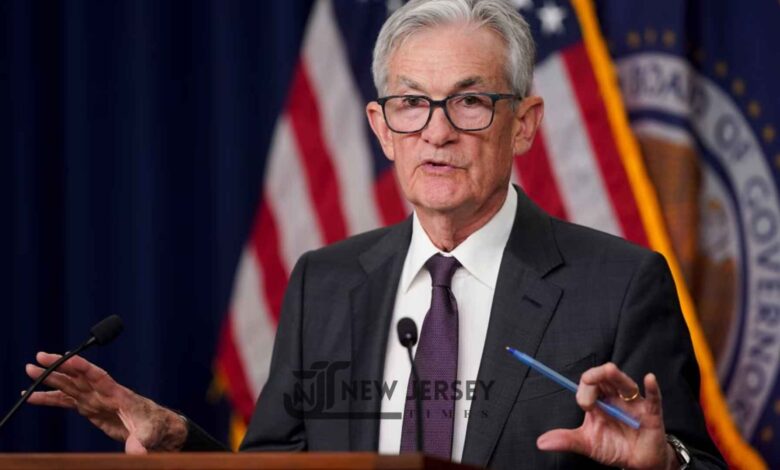
Speaking after the Federal Reserve kept interest rates steady at 4.25% to 4.5% on Tuesday, Powell said the inflationary effects of President Trump’s recent tariffs are starting to show up, and more are on the way.
“We’re beginning to see those costs move through the goods chain of distribution,” Powell told reporters. “That’s likely to become more visible as we move into the summer.”
Translation: it’s not just a headline risk anymore. It’s showing up in the data, particularly in tariff-sensitive categories like computers and consumer electronics, which Powell cited specifically.
The Fed Pauses, But Hedges
Markets got what they expected: no rate hike, no rate cut. But Powell’s tone wasn’t exactly neutral. His message was more wait-and-assess than wait-and-see.
The Fed still projects two rate cuts later this year, according to its latest dot plot. But Powell was careful not to commit. Inflation isn’t cooperating, and the tariff overhang gives the Fed another reason to move cautiously.
Officials now face a familiar problem with a different cause. Instead of labor-driven price pressures, they’re dealing with policy-induced cost increases, which could complicate the inflation outlook even if core demand remains soft.
And they’re doing it all in a politically charged environment—with Trump loudly calling for cuts as he seeks re-election.
Goods Inflation: A New Front
What makes this moment different is the source of the inflation. Tariffs are a blunt instrument—they don’t just raise costs; they reroute supply chains and distort pricing in ways that don’t show up overnight.
Much of the imported merchandise affected by the new tariffs was bought months ago, at pre-tariff prices. As inventories turn over, retailers are now receiving higher-cost goods, and consumers will start seeing those increases at checkout.
That’s already happening in segments like PCs and AV gear. Powell’s comment points to a broader pricing ripple that could hit headline CPI in the next two to three months.
It’s not runaway inflation. But it’s not benign either. If these effects bleed into adjacent sectors—or prove sticky—it gives the Fed less room to maneuver.
The Political Backdrop
Then there’s Trump. He’s renewed his push for aggressive easing, arguing that the Fed should offset the economic drag from tariffs with rate cuts. Powell didn’t engage, but the optics are hard to ignore: a president pushing for stimulus while enacting policies that make inflation harder to control.
The Fed’s response? Silence, for now. Powell reiterated the central bank’s independence and focus on its dual mandate. But that balancing act gets trickier if inflation flares up and growth stalls.
As Politico noted, some Fed members are already cooling on the idea of two cuts. And if tariff inflation proves durable, the path to easing could shrink further.
What to Watch
The next few months will be about data, not debate. Powell laid out what he’s watching:
- Inflation trends in June through August, especially in goods categories
- The dot plot update in September, which could signal whether two cuts are still on the table
- Labor market softness, which could offset some of the inflation pressure
Right now, the Fed is threading a needle. Rates are high enough to hold inflation down, but not so high they’re stifling growth. That equilibrium gets harder to maintain if trade policy keeps throwing curveballs.
Powell’s job isn’t just to manage expectations. It’s to manage risks. And with tariff-driven inflation now materializing, that job just got a little more complicated.
New Jersey Times Is Your Source: The Latest In Politics, Entertainment, Business, Breaking News, And Other News. Please Follow Us On Facebook, Instagram, And Twitter To Receive Instantaneous Updates. Also Do Checkout Our Telegram Channel @Njtdotcom For Latest Updates.

A Wall Street veteran turned investigative journalist, Marcus brings over two decades of financial insight into boardrooms, IPOs, corporate chess games, and economic undercurrents. Known for asking uncomfortable questions in comfortable suits.