
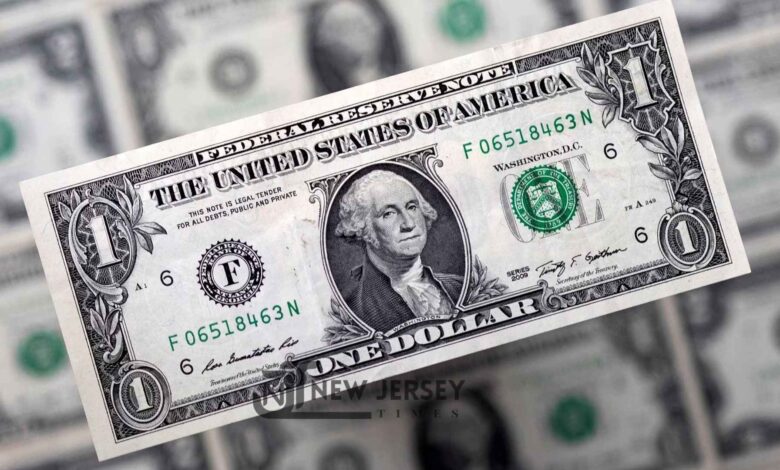
June 17 EST: The U.S. dollar is staying firm — but just barely — as investors weigh mixed economic data, geopolitical flare-ups, and a Federal Reserve that’s unlikely to move rates this week. The greenback rose slightly Monday and Tuesday, up about 0.25%, buoyed by a late-session bounce after disappointing retail sales figures and tension in the Middle East failed to push risk sentiment over the edge.


For a market used to treating the dollar as a reflexive safe haven, the response feels subdued. And that’s the point.
The Dollar Isn’t Trading Like It Used To
Retail sales for May came in well below expectations, falling 0.9%, more than double the projected decline. That briefly sent the dollar lower, before a mild rebound later in the day. Core spending categories — especially in services — held up better, which helped prevent a sharper selloff.
Meanwhile, the geopolitical front didn’t trigger the usual dash for dollars. Escalating tensions between Israel and Iran sent oil and gold higher, and boosted the Swiss franc. But the dollar’s gains were modest. That’s a notable departure from the last decade, where similar events would have sent dollar indexes spiking.
It’s not that the dollar has lost relevance — it hasn’t. But it’s no longer the automatic response to every shock. And there are reasons for that.
Structural Headwinds Are Weighing
The U.S. fiscal picture isn’t helping. With a growing deficit, an expanding federal balance sheet, and no political consensus on long-term budget discipline, the dollar is starting to carry structural baggage that investors can’t ignore.
Add to that the unpredictable policy landscape under President Trump, and you’ve got a currency that’s still central to global finance — but less dependable in a crisis.
According to analysts cited by Reuters, these trends may be muting the dollar’s traditional safe-haven role. Central banks and sovereign wealth funds have been slowly rebalancing away from the greenback, spreading reserves across other currencies and even assets like gold. That doesn’t mean the dollar’s being abandoned, but it does mean that its grip has loosened.
All Eyes on the Fed
The next test comes Wednesday, when the Federal Reserve concludes its policy meeting. Rates are expected to remain unchanged at 4.25%–4.50%, but investors are watching closely for updates to the Fed’s dot-plot and economic outlook.
The question is whether policymakers acknowledge the softer consumer data or stick with a more hawkish tone in light of still-firm wage growth and services inflation. That tone will matter. Currency markets are pricing in fewer rate cuts than they were a month ago, but they’re still expecting some relief later this year. If Chair Jerome Powell pushes back on that view, expect the dollar to firm. If he signals patience, the opposite could happen.
The Fed’s move also comes in the middle of a big week for central banks. The Bank of Japan and Bank of England both have meetings that could ripple across FX markets. The global policy split — between economies that are still tightening and those ready to ease — is becoming a central theme in currency pricing.
What to Watch
Markets are on edge, but not panicked. The dollar is holding a line, but it’s not leading. The Fed’s messaging, combined with how oil and risk assets react to the Middle East, will set the tone heading into the second half of the week.
The real takeaway? The dollar still matters. But its dominance is more conditional now — shaped by U.S. policy clarity, fiscal credibility, and whether global investors still see it as the best house in a risky neighborhood.
New Jersey Times Is Your Source: The Latest In Politics, Entertainment, Business, Breaking News, And Other News. Please Follow Us On Facebook, Instagram, And Twitter To Receive Instantaneous Updates. Also Do Checkout Our Telegram Channel @Njtdotcom For Latest Updates.

A Wall Street veteran turned investigative journalist, Marcus brings over two decades of financial insight into boardrooms, IPOs, corporate chess games, and economic undercurrents. Known for asking uncomfortable questions in comfortable suits.