Table of Contents
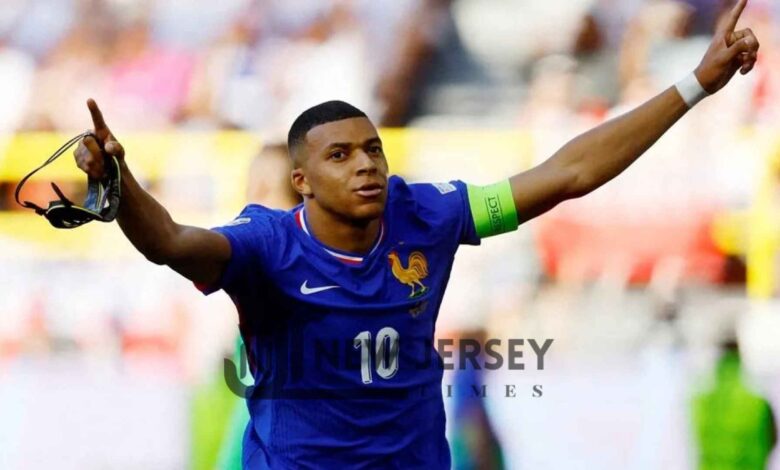
Stuttgart, June 9: Kylian Mbappe scored his 50th international goal for France as Les Bleus outclassed Germany 2-0 in Sunday’s UEFA Nations League third-place playoff, a result that ends their campaign on a high after a dramatic semi-final defeat to Spain. The French captain found the net just before half-time and later assisted Michael Olise to ensure France left Stuttgart with something to show.
Mbappe’s Finishing and Unselfishness Mark the Day
The match turned just before the break when Aurelien Tchouameni found space through the centre and released Mbappe. The French forward, now officially a Real Madrid player, didn’t hesitate. One-on-one with Marc-André ter Stegen, Mbappe slid the ball into the bottom corner. It was clinical. It was expected.
And yet, it still mattered.
Goal number 50 in France colours. At just 25, Mbappe has joined a very short list. He’s chasing Olivier Giroud, yes—but more than that, he’s now shaping the next generation of French football.
Late in the second half, Mbappe turned creator. When Robin Koch misjudged a clearance, Mbappe pounced. He could’ve gone for goal. Instead, he squared it to Olise, who rolled it into an empty net for his first goal with the senior national team.
Deschamps didn’t need to say much. “Kylian didn’t just score. He led,” the France coach said. “We were a little shaky early, but he made the difference.”
Germany Undone by Missed Chances, VAR and Wastefulness
Julian Nagelsmann’s Germany started like a team desperate to salvage pride. And they almost did—twice—only for the video assistant referee (VAR) to intervene.
First, Karim Adeyemi appeared to win a penalty after contact with Mike Maignan, but after a second look, the referee decided it was simulation. Yellow card for Adeyemi. No penalty. Crowd stunned.
Minutes later, Deniz Undav had the ball in the back of the net. But VAR again stepped in. Niclas Füllkrug was judged to have fouled Adrien Rabiot in the build-up. Goal chalked off.
The hosts had more looks. Florian Wirtz hit the post. Adeyemi forced three fine saves from Maignan. But no breakthrough came.
“Frustrating,” said Joshua Kimmich post-match. “We were better in the first 10 minutes than we’ve been in some full games. But we lost our rhythm and made basic errors.”
Nagelsmann wasn’t as animated, but admitted the rebuild isn’t happening fast enough. “We’re not finishing our chances. We’re not managing moments. That’s costing us.”
Olise’s First, Maignan’s Calm, and Deschamps’ Quiet Smile
Michael Olise, who chose France over England, made his moment count. His goal may have been a tap-in, but the run to support Mbappe, the timing—it all spoke of maturity.
So too did Maignan. The AC Milan keeper was tested more than the final score suggests. Early saves from Adeyemi, one smart parry from a deflected Wirtz shot, and calm distribution throughout gave France the steadiness they lacked against Spain.
Deschamps didn’t celebrate wildly. He didn’t need to. France won, Mbappe hit 50, Olise scored, and Maignan reminded everyone that Hugo Lloris’ gloves are in safe hands now.
“It’s not a trophy,” Deschamps said. “But we leave with something real.”
A Step Back for Germany, and a Long Road to Euros
Germany’s Nations League showing is now winless in three. Their semi-final defeat to Portugal was messy. This one? Less so, but still worrying. With UEFA Euro 2028 qualifying around the corner, answers remain few.
The crowd in Stuttgart never turned on the team. But murmurs were audible. Germany, still searching for cohesion post-World Cup, remains unfinished.
They’ve got the talent—Wirtz, Musiala, Adeyemi, all promising. But as Nagelsmann said: “Promise without precision doesn’t win matches.”
Spain and Portugal Still to Clash in Final
Later tonight in Munich, Spain and Portugal will meet to decide the 2025 Nations League title. France won’t be there, but they leave Germany with pride—and a milestone moment from their biggest star.
It wasn’t a night for celebration. But it was a night that mattered.
New Jersey Times Is Your Source: The Latest In Politics, Entertainment, Lifestyle, Breaking News, And Other News. Please Follow Us On Facebook, Instagram, And Twitter To Receive Instantaneous Updates. Also Do Checkout Our Telegram Channel @Njtdotcom For Latest Updates.

A former college-level cricketer and lifelong sports enthusiast, Arun Upadhayay brings the heart of an athlete to the sharp eye of a journalist. With firsthand experience in competitive sports and a deep understanding of team dynamics, Arun covers everything from grassroots tournaments to high-stakes international showdowns. His reporting blends field-level grit with analytical precision, making him a trusted voice for sports fans across New Jersey and beyond.