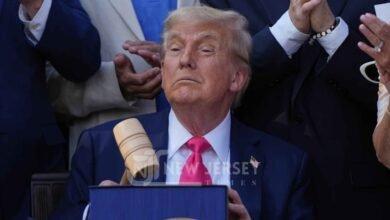
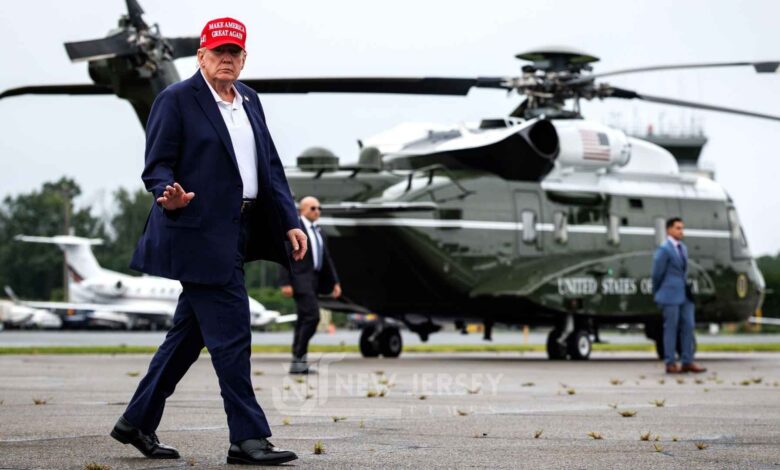
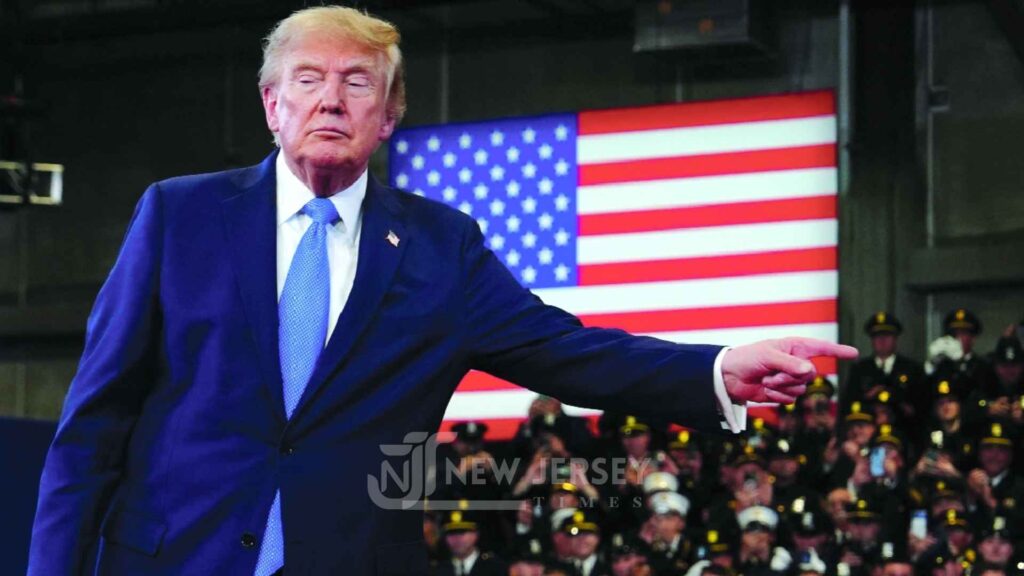
U.S. President Donald Trump has threatened military action against Oman if the Gulf country stands in the way of American plans in the Strait of Hormuz, adding fresh tension to an already volatile situation in the Middle East.

Trump made the remarks on Monday, August 17, while speaking about the continuing conflict with Iran and efforts to restore commercial shipping through the Strait of Hormuz.
“If Oman gets in the way, we’ll bomb the s— out of them,” Trump said during the interview.
It was an unusually blunt warning aimed at a country that has maintained a close strategic relationship with Washington for decades.
Oman has often found itself in a delicate position in the region. It has strong ties with the United States, but it has also kept diplomatic channels open with Iran. That ability to speak to both sides has made Muscat an important go-between during some of the region’s most difficult political moments.
This time, however, that balancing act appears to be under growing pressure.
Trump Says He Is in No Hurry Over Iran
Trump also made clear that he is not working to a fixed timetable when it comes to the conflict with Iran.
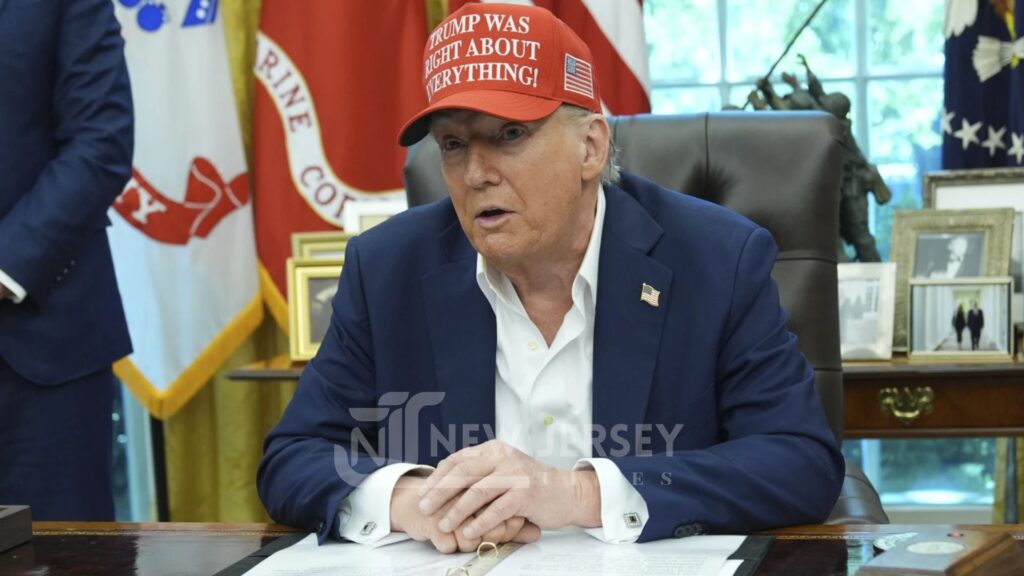
“I have no time schedule,” he said. “I’m not in a hurry.”
His comments came as a 60-day negotiating period involving Washington and Tehran reached its August 17 deadline. The arrangement was part of an interim understanding reached in June that was intended to create space for talks and reduce military activity.
That process has since become increasingly uncertain. Trump said in July that the agreement was effectively over, while Iran later described it as suspended.
Despite the uncertainty, Trump has continued to insist that one issue remains non-negotiable – Iran must not be allowed to acquire a nuclear weapon.
He repeated that position again on Monday, saying preventing Iran from developing nuclear weapons remained the central goal of U.S. policy.
Trump also dismissed suggestions that the approaching U.S. midterm elections were influencing his decisions on Iran.
Why Oman Is Now at the Centre of the Dispute
The latest tension is tied to the Strait of Hormuz, the narrow waterway separating Iran and Oman and linking the Persian Gulf with the Gulf of Oman and the Arabian Sea.
For years, the strait has been one of the most strategically important shipping routes in the world. Now it has become one of the main pressure points in the wider Iran conflict.
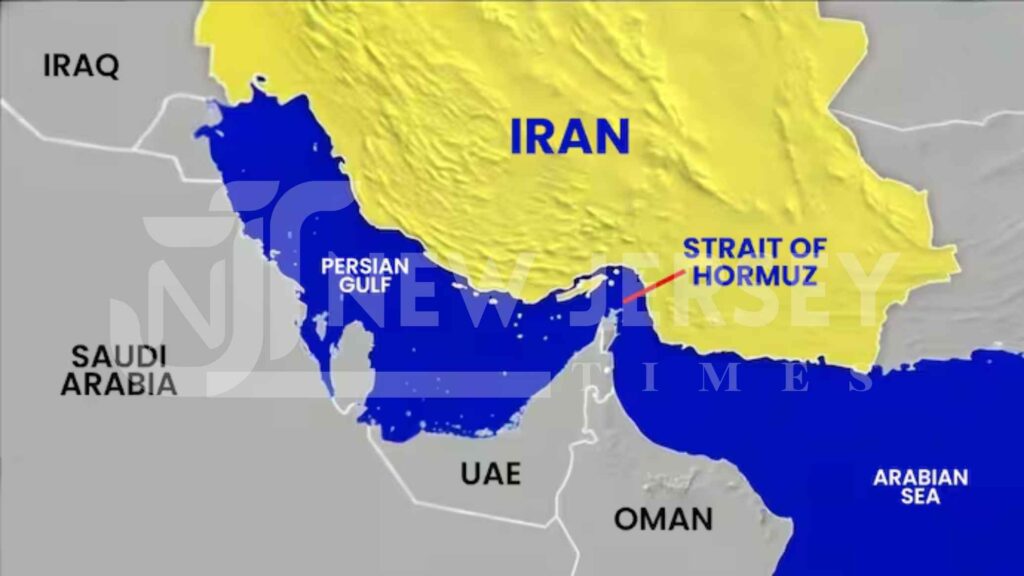
Iranian officials said on Monday that Tehran and Muscat had reached an understanding over shipping routes through the strait. The full details have not been made public, and negotiations over a broader arrangement were still continuing.
Oman has maintained that vessels should be able to move safely through the waterway in line with international law. Earlier this year, Oman and Iran also backed safe navigation while maintaining their respective rights over territorial waters.
Washington has taken a tougher position.
The United States wants the strait fully reopened and has made freedom of navigation in the area a major issue in its dealings with Iran.
Trump’s warning now suggests that the White House may also be prepared to put pressure on Oman if it believes any agreement with Tehran limits U.S. objectives in the region.
Why the Strait of Hormuz Matters So Much
The importance of the Strait of Hormuz goes far beyond regional politics.
It is one of the world’s most important energy routes, carrying a major share of global oil and gas shipments.
Before the current conflict disrupted traffic, roughly one-fifth of global petroleum liquids consumption passed through the strait. In the first half of 2025, flows averaged about 20.9 million barrels a day.
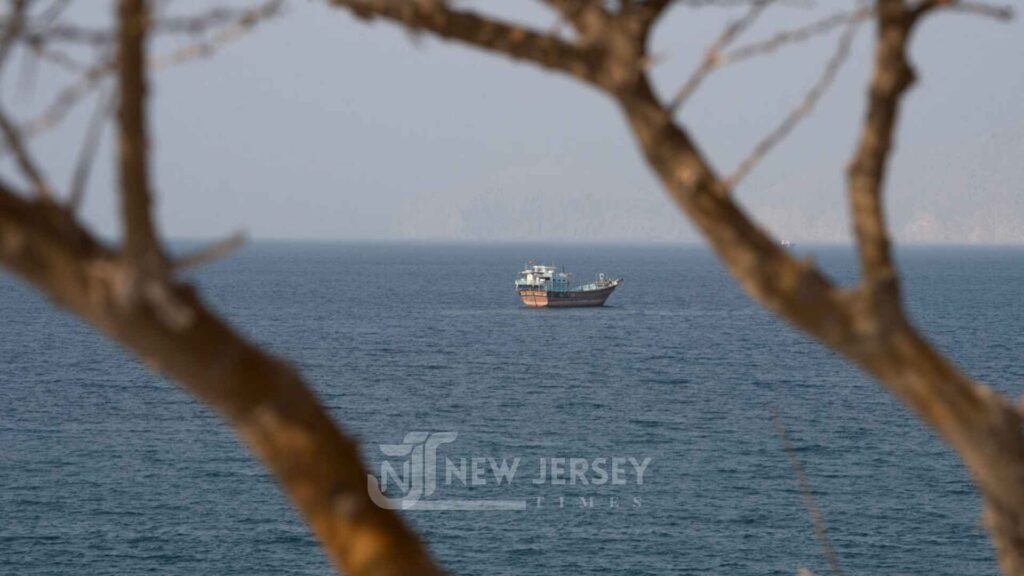
The disruption since then has been severe.
Oil shipments through the strait averaged around 4.9 million barrels a day during the second quarter of 2026, down sharply from about 21.6 million barrels a day in the final quarter of 2025.
That drop matters well beyond the Middle East.
Any prolonged disruption in the Strait of Hormuz can push up shipping costs, tighten oil supplies and feed into fuel prices around the world. Businesses, airlines, transport companies and ordinary consumers can all end up feeling the impact.
That is one reason the dispute has drawn such close attention from governments and energy markets.
A Long U.S.-Oman Relationship Comes Under Strain
Trump’s threat is particularly striking because Oman has long been an important U.S. security and diplomatic partner in the Gulf.
The two countries cooperate closely on regional security and defence. A framework agreement signed in 2019 also expanded U.S. military access to facilities and ports in Salalah and Duqm.
At the same time, Oman has spent years carefully maintaining relations with countries that often find themselves at odds with Washington.
That has given Muscat a rare diplomatic role.
Oman has frequently acted as a quiet intermediary, keeping communication open when direct talks between rival countries were either difficult or impossible.
The latest dispute is testing that role.
Oman is trying to preserve shipping access and maintain working relations with Iran. Washington, meanwhile, wants to ensure that any agreement over the Strait of Hormuz does not undermine its own security or strategic goals.
Trump’s comments show just how little room for disagreement may now exist.
This is also not the first time he has raised the possibility of military action against Oman. In May, Trump warned that the United States could act if Oman failed to cooperate with Washington’s position on control of the strait.
What Comes Next
Much will depend on what Oman and Iran eventually agree on and, just as importantly, whether Washington is willing to accept it.

For energy markets, a return to normal shipping through the Strait of Hormuz would remove one of the biggest sources of uncertainty hanging over global oil supplies.
Diplomatically, the picture is far less straightforward.
Oman is attempting to keep a channel open between competing powers while protecting safe passage through one of the world’s most sensitive waterways. The United States is pushing for an outcome that meets its own security demands. Iran, meanwhile, remains at the centre of the wider conflict.
Trump’s latest warning has made that already difficult equation even more complicated.
For now, the Strait of Hormuz remains one of the most important flashpoints in the region. What happens there will not stay confined to Iran, Oman or the United States. The consequences could quickly reach global energy markets, shipping routes and economies far beyond the Gulf.
New Jersey Times Is Your Source: The Latest In Politics, Entertainment, Business, Breaking News, And Other News. Please Follow Us On Facebook, Instagram, And Twitter To Receive Instantaneous Updates. Also Do Checkout Our Telegram Channel @Njtdotcom For Latest Updates.

A political science PhD who jumped the academic ship to cover real-time governance, Olivia is the East Coast's sharpest watchdog. She dissects power plays in Trenton and D.C. without bias or apology.