
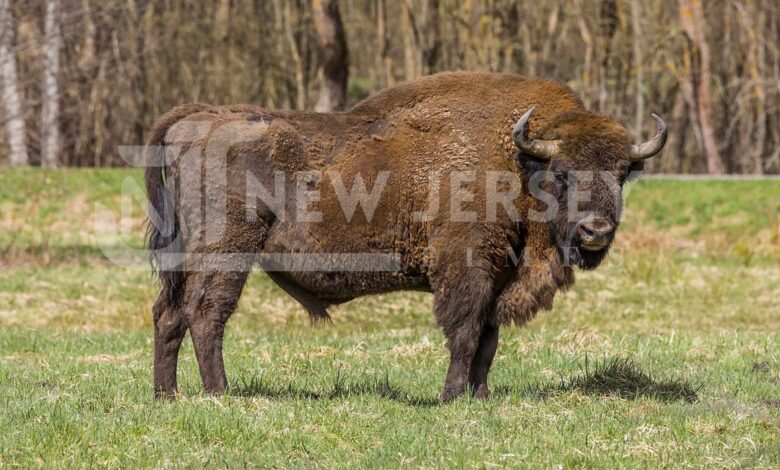
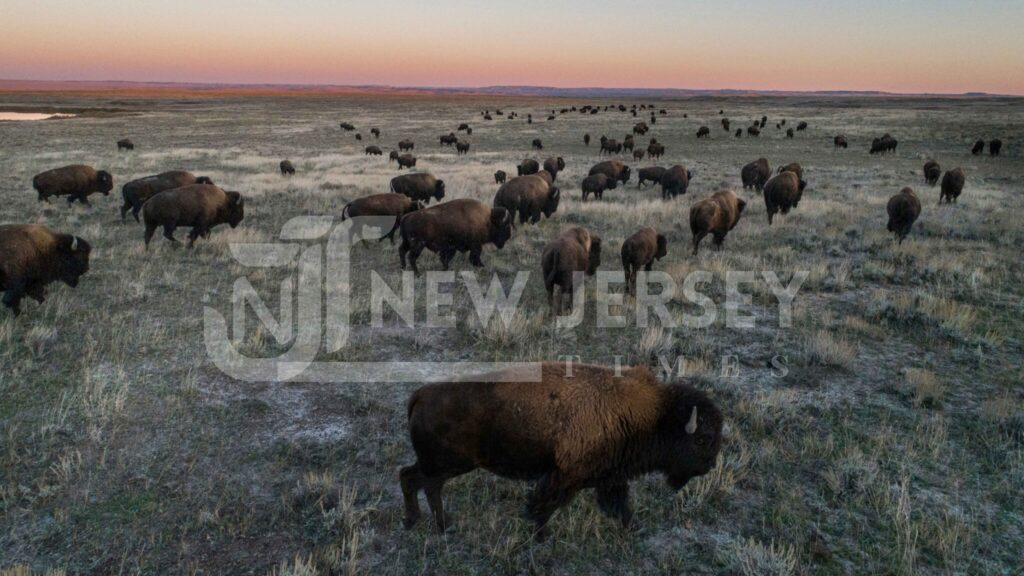
Phillips County, Mont., May 4: Bison removed from federal land. That is what is happening right now in north central Montana, where more than 950 buffalo face eviction from 60,000 acres of federal grasslands they have grazed without major incident for the past two decades.
The order came on January 16, 2026, when the Bureau of Land Management, acting under Interior Secretary Doug Burgum, issued a Notice of Proposed Decision to rescind seven federal grazing permits held by American Prairie, a Montana based conservation nonprofit.
Once that ruling goes final which could happen as early as this spring, per Inside Climate News cattle move in and one of the most ambitious grassland restoration efforts in the country is finished.
The Trump bison policy 2026 did not arrive with a press conference. It came through the quiet machinery of administrative law a remand here, a solicitor’s review there until the conclusion landed hard: bison don’t qualify as “production oriented livestock” under the 1934 Taylor Grazing Act, so they have no legal right to stand on that grass.
Conservation groups, tribal nations, and legal advocates say that conclusion is wrong, unprecedented, and politically driven from the start.
Twenty Years on the Land Erased With One Decision
American Prairie has been buying ranches across eastern Montana for nearly a quarter century, stitching together a patchwork of land with the goal of creating what it calls an “American Serengeti” a fully functioning prairie ecosystem built around bison at its center.
As of December 2025, the reserve spans more than 600,000 acres. The bison herd had grown to over 900 animals. By any measure, it was working.
Those bison were grazing on BLM allotments under permits lawfully approved in 2022 by the Biden administration, after a full environmental review under the National Environmental Policy Act that found no significant impact. The BLM defended those permits through multiple legal challenges for nearly three years.
Then came February 2025. The new administration sought a voluntary remand a quiet procedural pivot to reconsider everything from scratch.
By December 2025, Burgum had personally assumed jurisdiction over the administrative appeals. By January 16, 2026, the permits were gone.
“This proposal is an unprecedented reversal of BLM’s own decision making after more than 40 years of treating bison as eligible livestock under federal grazing law,” said Alison Fox, CEO of American Prairie, in a statement reported by Earthjustice.
“Abruptly rescinding them now under political pressure creates immense uncertainty and sends a chilling signal to tribes, ranchers, and conservation partners who depend on fair and predictable public land management.”
The Political Fingerprints Are All Over This
Governor Greg Gianforte had personally written to Burgum urging the revocation. When the decision landed, he called it “a win for Montana’s ranchers, our agricultural producers, and the rule of law,” according to the Daily Montanan.

Montana Attorney General Austin Knudsen praised it the same day, arguing it protected ranching communities from what he called “elitists.” The Montana Stockgrowers Association, which had been fighting the permits for years alongside the North and South Phillips County grazing districts, called it “an incredible win for public lands grazers and ranching families.”
The victory lap was swift. But the legal logic underneath it is shakier than the celebration suggests.
For over 40 years, the BLM has issued 10 year grazing permits for bison herds across the West no controversy, no legal ambiguity. Flipping that interpretation overnight, as Earth justice made clear in its February 2026 protest filing, doesn’t just wound American Prairie.
It threatens 41 active bison grazing permits across six western states. Every conservation herd, every tribal herd, every rancher running bison on federal land is suddenly operating on uncertain legal footing.
That is the actual scope of the Trump bison policy 2026. Not one non profit. Not one county in Montana. The entire framework under which bison removed from federal land decisions get made dismantled in a single administrative ruling.
Tribes Say This Slams the Door on All of Them
The administration may have expected pushback from environmentalists. What it got instead was a wall of opposition from sovereign nations with treaty rights and a much stronger legal standing.
More than 50 tribes organized under the Coalition of Large Tribes (COLT), representing more than half the Native American population in the United States filed a formal protest against the proposed decision, according to Earthjustice’s press statement from February 9, 2026.
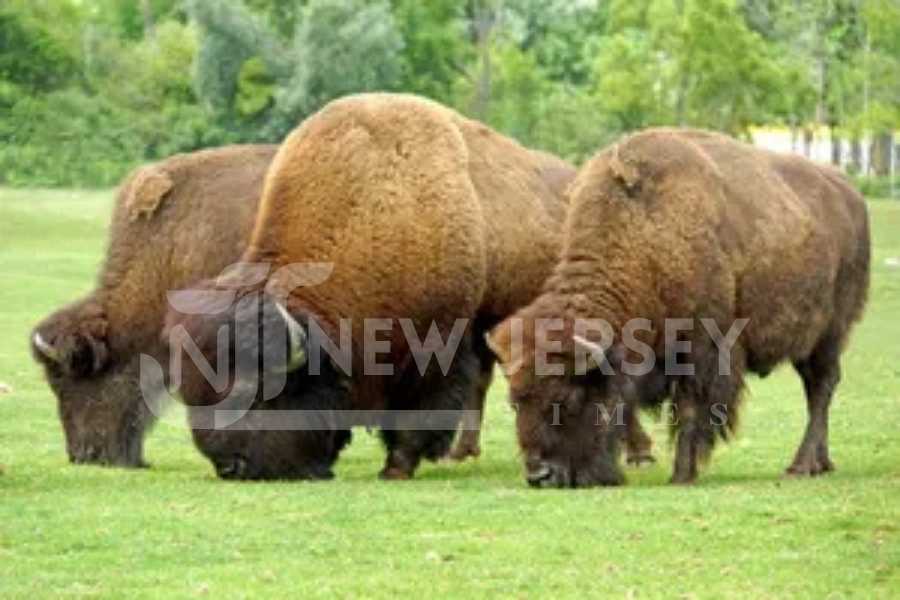
So did the Cheyenne River Sioux Tribe, the Cheyenne and Arapahoe Tribes, the Tanka Fund, Wild Idea Buffalo Company, Defenders of Wildlife, and Western Watersheds Project.
Each filing carried the same core warning: this ruling doesn’t just affect one nonprofit’s herd. It effectively bars tribal bison herds from BLM land nationwide.
“As the proposed decision is currently written, it is unlikely that any tribal government or tribal citizen buffalo herd would ever be eligible for BLM grazing leases.”
That line, from COLT’s formal letter of protest, is the one that cuts deepest. Tribes in California the Pit River Tribe and the Fort Bidwell Indian Community are actively seeking BLM bison grazing permits right now. This ruling shuts that door before they ever get through it, as reported by Inside Climate News.
The Standing Rock Sioux Tribe announced plans in February 2026 to expand its own buffalo herd. Under the new BLM framework, moving any part of that herd onto federal grassland becomes legally impossible.
For these nations, bison are not an ecological project or a conservation talking point. They are food sovereignty. They are cultural survival. They are treaty rights written into federal law rights the government keeps finding new administrative mechanisms to undercut.
What Federal Grasslands Wildlife Loses When Bison Are Gone
Strip away the politics and what remains is a simple ecological question: what actually happens to federal grasslands wildlife when bison removed from federal land are replaced by cattle?
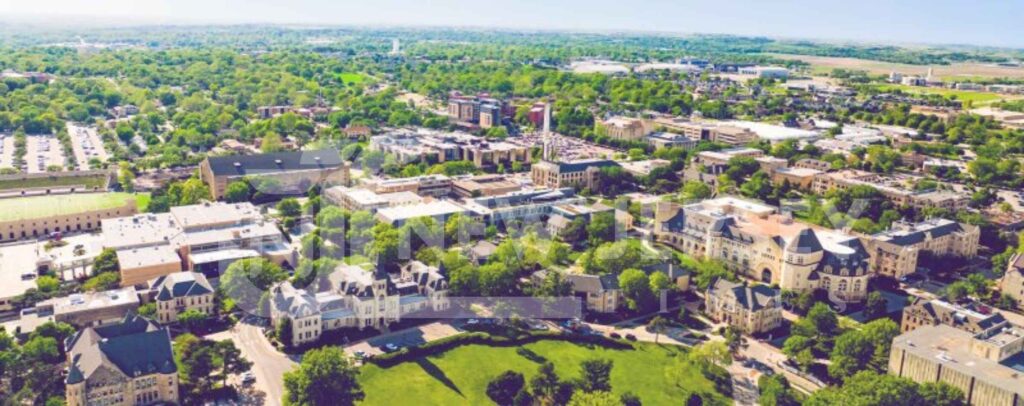
A Kansas State University study, cited by Inside Climate News, found that sustainably managed bison are twice as effective as cattle at increasing native plant diversity. That is not a marginal difference. That is a fundamental gap in how these two animals relate to the land beneath them.
Bison move faster and farther while grazing, doing far less concentrated soil compaction than cattle. They spread seeds more widely, strengthening grasslands against drought which is becoming more severe and more frequent across the West with every passing year.
They spend less time lingering at ponds and wetlands, reducing erosion and giving other animals consistent access to water. In winter, bison slow their metabolism and eat less. Cattle do the exact opposite they ramp up consumption precisely when forage is hardest to find.
Wherever bison graze on federal grasslands wildlife habitat, the ripple effects are measurable and well documented: more birds, more amphibians, more elk, more deer, more of the entire ecosystem that evolved alongside these animals across thousands of years of shared history.
Andrew Bowman, president and CEO of Defenders of Wildlife, said it without softening: “By revoking these leases, the Bureau of Land Management is undermining its own mission to sustain health, diversity and productivity across our public lands.”
It is worth noting that the Interior Department the same agency now ordering bison removed from federal land still carries a buffalo on its official seal.
A 40 Year Legal Precedent, Overturned Under Political Pressure
American Prairie filed a 20 page formal protest on February 6, 2026, calling the proposed decision “unlawful, factually incorrect, and procedurally flawed.” The BLM is required by law to review every protest before issuing a final ruling.
After that final decision drops, all interested parties have 30 days to file an administrative appeal. After that, the fight moves into federal court and that is where it is likely to get resolved, one way or another.
Earthjustice, which has been defending American Prairie’s permits alongside Cochenour Law throughout the administrative proceedings, is not backing down. Jenny Harbine, managing attorney for Earthjustice’s Northern Rockies Office, called the BLM’s move “a shortsighted political decision” that would “reverse decades of precedent and harm public land management moving forward.”
The legal argument is genuinely strong. The BLM completed a full NEPA environmental review in 2022, issued a formal Finding of No Significant Impact, and then defended its own work in administrative proceedings for three full years. Reversing that record now without any new environmental review, and in direct response to political pressure from the governor’s office is exactly the kind of arbitrary agency action that federal courts have overturned repeatedly.
Still, the process takes time. And time is something the 950 bison in Phillips County may not have in abundance.
What Comes Next And Why It Matters Beyond Montana
This story does not end in one county. The bison removed from federal land ruling in Montana is being watched closely by tribal governments, conservation organizations, and bison ranchers across the West.
If the BLM’s new interpretation of the Taylor Grazing Act holds up, it rewrites the rules for every bison herd currently using federal allotments. The two California tribes still waiting on permit approvals would be denied. The Standing Rock herd expansion stalls. The 41 existing permit holders face sudden legal exposure they did not have six months ago.
That is not a narrow policy dispute. That is a nationwide shift in how federal grasslands wildlife is managed and who gets to use the land with cattle interests winning and nearly everyone else losing.
The Trump bison policy 2026 has set something in motion that will not stay quiet. The tribes have lawyers. Earthjustice has a track record of winning these fights. And the administrative record three years of BLM defending its own decision before abruptly reversing under a phone call from the governor’s office is exactly the kind of paper trail that federal judges tend to find uncomfortable.
Somewhere out on the Montana plains, 950 bison are still following the grass. They don’t know about the legal briefs. They don’t know that their presence on this land has become a national political battle. They are doing what bison removed from federal land were never supposed to be forced to stop doing moving, grazing, reshaping the earth the way their species always has.
The question is whether the courts catch up before the cattle do.
New Jersey Times Is Your Source: The Latest In Politics, Entertainment, Business, Breaking News, And Other News. Please Follow Us On Facebook, Instagram, And Twitter To Receive Instantaneous Updates. Also Do Checkout Our Telegram Channel @Njtdotcom For Latest Updates.

A Wall Street veteran turned investigative journalist, Marcus brings over two decades of financial insight into boardrooms, IPOs, corporate chess games, and economic undercurrents. Known for asking uncomfortable questions in comfortable suits.

A political science PhD who jumped the academic ship to cover real-time governance, Olivia is the East Coast's sharpest watchdog. She dissects power plays in Trenton and D.C. without bias or apology.