
Sherrod Brown Wins Ohio Democratic Primary 2026 The Brutal, Relentless Fight for the Senate Seat Nobody Thought He’d Chase Again

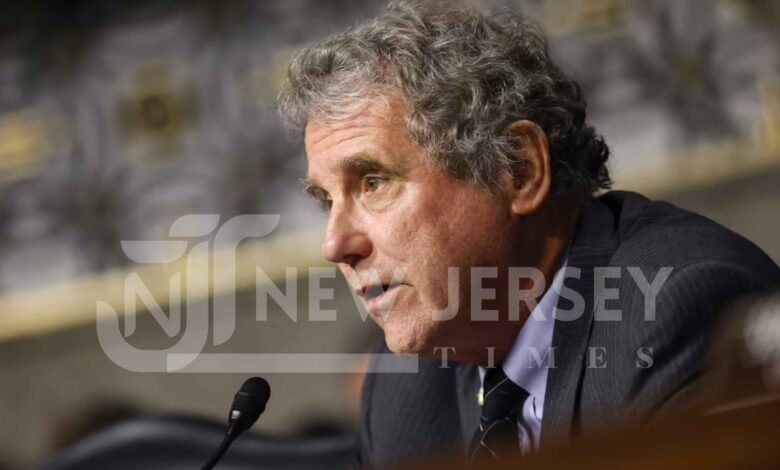
Columbus, May 6: Sherrod Brown was supposed to be done with all of this.Thirty two years in Congress. Three Senate terms. A painful loss in 2024 that, by most reasonable interpretations, should have been the final chapter. He had a Harvard fellowship waiting. He launched the Dignity of Work Institute. He wrote for The New York Times and The New Republic.
He was, in every visible way, a man who had made peace with the next phase.
And then he watched the Senate pass Trump’s big tax bill, turned to his wife Connie on the couch, and apparently decided peace was overrated.
Tuesday night in Cleveland, the former senator stood before a crowd that had never quite let go of him and claimed the Ohio Democratic Senate nomination quickly, cleanly, and with the kind of edge in his voice that made clear this is not a sentimental victory lap. The Associated Press called the race before most of the state had finished dinner.
His opponent in November is Jon Husted a man who has spent two decades becoming a fixture of Ohio politics and who currently holds a Senate seat he was handed by a governor rather than earned from voters.
That last part matters. Both campaigns know it.
How Sherrod Brown Dominated the Ohio Democratic Primary Night
The Ohio Democratic primary was never going to be close, and it wasn’t.
Ron Kincaid the IT professional and Special Olympics coach who challenged Brown for the nomination ran a genuine campaign. But he was always facing a man with 30 years of statewide name recognition and $17 million in the bank. The gap was simply too wide.
The call came fast. Brown was at the microphone in Cleveland while plenty of precincts were still counting.
He did not sound like a man giving a victory speech. He sounded like a man who had already moved on to November.
“Ohioans know the system is rigged against them, and they know Jon Husted is making it worse,” he said.
Drug prices. Utility rates. Corporate tax breaks. Congressional stock trading.
He ran through the list with the practiced efficiency of someone who has been delivering versions of this speech his entire adult life because he has.
Across the aisle, Husted had spent primary night in considerably calmer conditions. Trump’s early endorsement had frozen out any Republican challenger before one could get organized. He spent the spring banking money, running general election ads, and watching the Ohio Democratic race from a comfortable distance.
His first TV spot was warm and biographical built around his adoption story, his foster home origins, his long climb through state politics. The implicit message was deliberate: here is someone stable. Here is someone you already know.
The contrast with Brown’s combative energy on Tuesday night was probably not accidental.
Sherrod Brown vs. Jon Husted Two Very Different Ohios
Strip away the tactics and the talking points and what you have is an Ohio Senate race 2026 between two men who embody genuinely different ideas about what this state is and who it belongs to.
Brown grew up in Mansfield. He watched the factories close. He watched trade deals gut communities that had built things with their hands for generations, and he turned that anger into something sustained and specific a career long argument that working people get the short end and that someone in power ought to stop accepting that as inevitable.
He opposed free trade agreements when his own party was championing them. He went after Wall Street in language that did not come from a consultant’s briefing book. He showed up in union halls not as a campaign stop but as someone who had been showing up there for decades.
Three Senate terms in a state moving steadily away from his party is the result of all of that.
And then 2024 happened. Bernie Moreno a car dealer, a first time candidate, boosted by Trump and outside Republican spending beat him by about 3.5 points in a year when Trump carried Ohio by 11. The loss stung in ways that went beyond the personal. It gave real weight to the argument that even his brand of politics had hit a permanent ceiling.
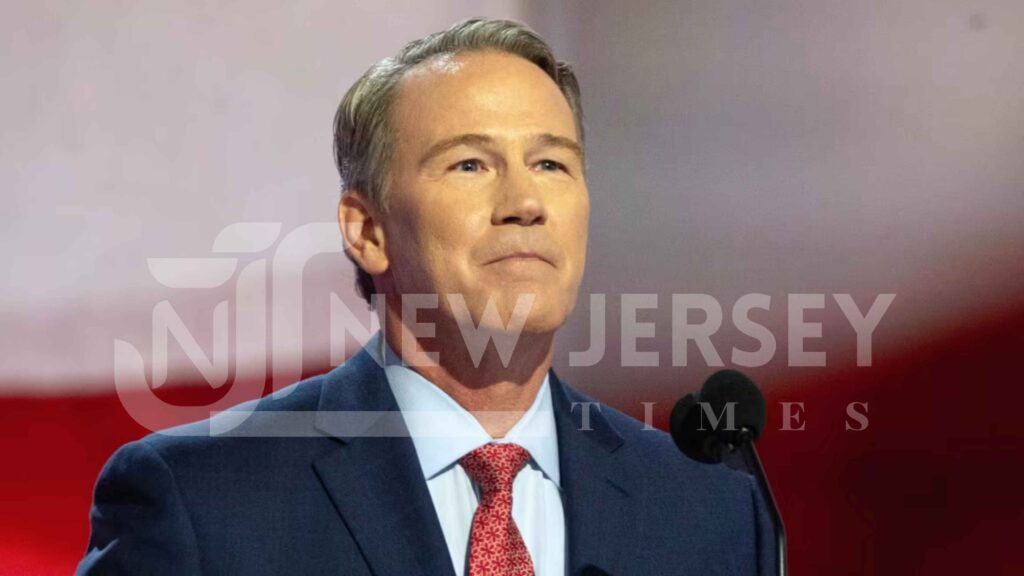
Jon Husted is the other side of that change.
He is not a populist or a disruptor. He is the product of Ohio’s Republican institutional machinery state representative, House speaker, secretary of state, lieutenant governor, now senator by appointment. Twenty plus years of steady, competent, un flashy Republican governance in a state that has rewarded exactly that for a decade running.
He is familiar the way the landscape is familiar not because he demands your attention but because he has always been there.
Trump endorsed him early and that settled it. No primary. No wounds. A clean path to November.
His team’s response to the Ohio Democratic primary result was surgically efficient. “Husted is working to reverse Brown’s failed policies with a common sense agenda that lowers costs, secures the border, cuts taxes on tips and overtime, supports law enforcement, and puts Ohio first.”
Cost of living leads. Border is present but not screaming. Ohio identity closes. Every word placed on purpose.
On paper, Brown holds the money edge right now $17 million to Husted’s $8.1 million, per Federal Election Commission filings as of mid April. But the 2024 contest became the most expensive Senate race in American history, according to the Associated Press, because outside groups buried the state in late spending that ultimately helped carry the Republican across the line.
Why the Ohio Senate Race 2026 Is Bigger Than Ohio
This contest is about a seat, yes. But underneath that, it is a referendum on whether the Democratic Party’s brutal post 2024 self examination has actually led anywhere useful.
Since the 2024 losses, the party has been having a loud and sometimes painful conversation about working class voters why they left, whether they can come back, and what it would take to rebuild that relationship in states like Ohio.
Brown is the living argument that it is possible.
He has done it repeatedly in one of the hardest states in the country for a Democrat to operate in. When he talks about drug prices or trade deals, voters who have grown deeply skeptical of his party still tend to give him a hearing. That credibility is not transferable. It is specific to him, built over decades, and it is exactly why national Democrats have been treating his candidacy as something close to essential in the Ohio Senate race 2026.
If he wins in November, the party has a working model not a perfect one, not something that can be copied into other states wholesale, but a real example of what competing in the Midwest looks like when the messenger has genuine roots and a genuine record.
If he loses again in a favorable environment, with a financial advantage, against an appointed incumbent who has never faced voters for this seat the conclusion many will quietly draw is that Ohio has moved permanently beyond the party’s reach. That is a heavy conclusion about a state with 17 electoral votes and two more Senate seats arriving in 2028 and 2030.
For Republicans, Jon Husted holding this seat goes beyond padding the majority. It deepens the argument that the state’s rightward shift is not cyclical it is the permanent new baseline. The party currently holds a 53 45 Senate majority per Ballotpedia, and this race represents one of the very few realistic paths the other side has toward closing that gap.
Losing it would make an already steep climb almost vertical.
Frequently Asked Questions About Sherrod Brown and the Ohio Senate Race 2026
Why did Brown come back after saying he was moving on?
He has been honest about it in a way that does not feel rehearsed. He was not planning another run. He had the institute, the fellowship, the writing. Then he and Connie watched the Senate pass the Trump tax bill and something shifted inside him.
He announced in August 2025 and framed the decision not as ambition but as obligation the sense that staying out was itself a choice he could not live with. Tuesday’s Ohio Democratic landslide suggests voters believed him.
How does Jon Husted hold a Senate seat without ever winning one?
When JD Vance resigned on January 10, 2025 to become vice president, Ohio law gave Governor Mike DeWine the authority to appoint a replacement. He chose Husted, his lieutenant governor, who has been serving since January.
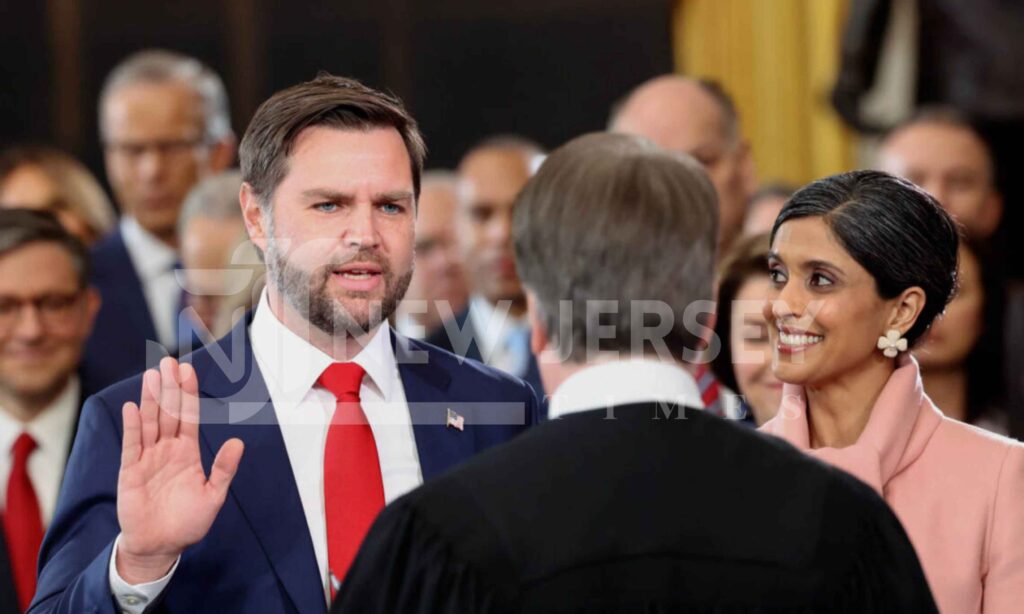
He is now running to keep the seat through a proper election for the first time in the Ohio Senate race 2026. The winner fills the remaining two years of Vance’s term and then faces voters again in 2028 for a full six year race. Brown’s campaign has made sure nobody forgets that Husted has never actually won this particular job from the people he now represents.
Does the money advantage actually matter in this race?
Right now, yes. $17 million versus $8.1 million is a real gap with real implications for early advertising and field organizing. But the 2024 race is the cautionary tale. Brown had strong direct fundraising then too, and late outside Republican spending helped tilt the outcome anyway.
The same infrastructure that boosted Moreno will be deployed for Husted. The question is not who leads on cash today it is whether that lead survives when the outside money arrives in the final stretch.
Is the Ohio Senate race 2026 actually winnable for Democrats?
Yes, with genuine caveats. The state has moved right in ways that are not superficial. But Brown has outrun those structural numbers before, more than once, by speaking to economic anxieties in language that genuinely crosses party lines. Whether that still works against Husted in this environment is unknown. Anyone telling you they know for certain is well ahead of the available evidence.
What happens to Ohio Democrats if Brown loses again?
That question is already being asked quietly in Columbus and Washington. A second loss against an appointed incumbent, in a more favorable national environment would make the “Ohio is gone” argument very hard to counter. It would also leave the state party without its most recognized figure and force a serious reckoning about what a functioning Democratic presence in Ohio even looks like going forward.
Sherrod Brown and the Brutal Road to November 3
Nobody knows how this ends. That is the truthful answer, and anyone packaging more certainty than that is selling something.
Brown is back in the fight he was apparently built for. Running the campaign he has always run. In a state that gave him everything, took it back, and that he has decided to ask one more time.
He is 73. He lost two years ago. He is running in a state that went for Trump by 11 points. The math is not comfortable.
But he has made uncomfortable math work before. The 2006 Senate win surprised people. The 2018 survival surprised people. Even the 2024 loss surprised people with how close it stayed in a year as hostile as any incumbent Ohio Democratic senator has ever navigated.
Jon Husted is serious, organized, well funded, and running in territory his party has spent a decade fortifying. He will not run a sloppy campaign. He has Trump behind him, a disciplined message, and the full institutional weight of a state Republican party that has not lost a major state wide race in years.
What you have, when everything else is set aside, is a genuinely competitive Ohio Senate race 2026. The kind where both outcomes are plausible. The kind where the result says something true and lasting about American politics. The kind where the margin whatever it turns out to be gets picked apart long after the votes are counted.
November 3 is the date.
Between now and then, Ohio is going to get loud, expensive, and relentless. Brown has been here before. So, in his own way, has the state.
The only question left is whether either of them has anything left to surprise the other with.
New Jersey Times Is Your Source: The Latest In Politics, Entertainment, Business, Breaking News, And Other News. Please Follow Us On Facebook, Instagram, And Twitter To Receive Instantaneous Updates. Also Do Checkout Our Telegram Channel @Njtdotcom For Latest Updates.

A Wall Street veteran turned investigative journalist, Marcus brings over two decades of financial insight into boardrooms, IPOs, corporate chess games, and economic undercurrents. Known for asking uncomfortable questions in comfortable suits.

A political science PhD who jumped the academic ship to cover real-time governance, Olivia is the East Coast's sharpest watchdog. She dissects power plays in Trenton and D.C. without bias or apology.