Trenton, May 5: Nobody was popping champagne. But people who track these negotiations for a living the ones who have watched U.S.Iran diplomacy collapse and restart and collapse again for the better part of two decades were, in private, allowing themselves a cautious exhale. The talks in Muscat were going somewhere. Not fast, not cleanly, but somewhere. Both delegations were still showing up. Papers were still being exchanged. And in the strange, grinding world of Iran nuclear diplomacy, that alone counts as progress.
Then the weekend blew it up.
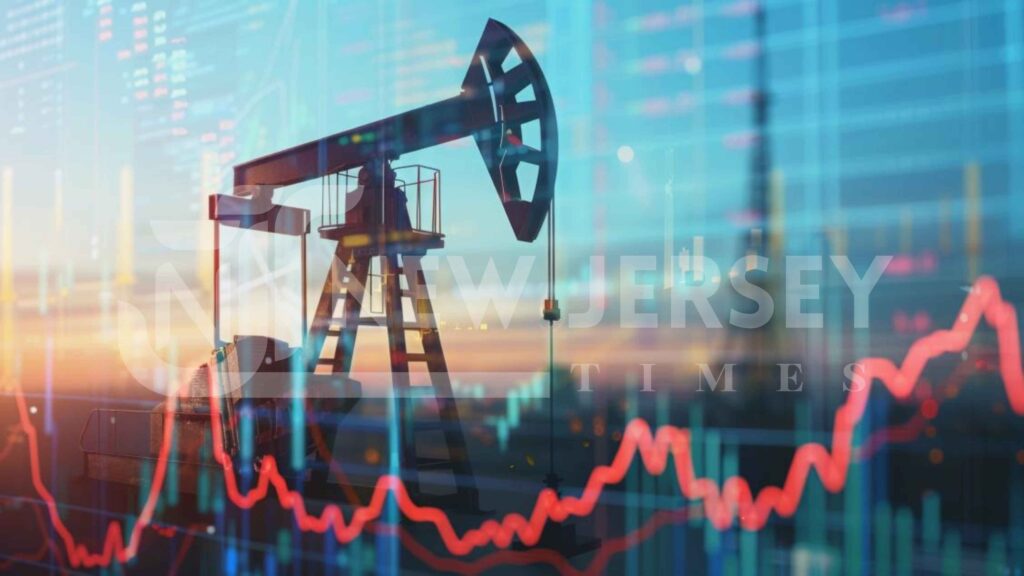
U.S. airstrikes hit militia targets across Syria and Iraq on Saturday. By that evening, rockets were flying back toward U.S. bases. By Sunday morning, IRGC gunboats were doing things near the Strait of Hormuz that the U.S. Navy does not appreciate and does not ignore. And by the time Asian markets opened Monday, crude oil was running hard and equity futures were not. WTI punched through $91 a barrel its highest level since February and the quiet optimism that had been slowly building through April evaporated like it had never existed.
One weekend. That is all it took.
What Was Actually Happening in Oman
Here is what most people outside the foreign policy world did not fully register: the Muscat talks were not a photo opportunity staged for domestic audiences. They were, by the accounts of people with real visibility into the process cited in reporting by The New York Times and corroborated by others close to the discussions a genuine attempt to build a workable framework between two governments that have spent decades treating each other as threats.
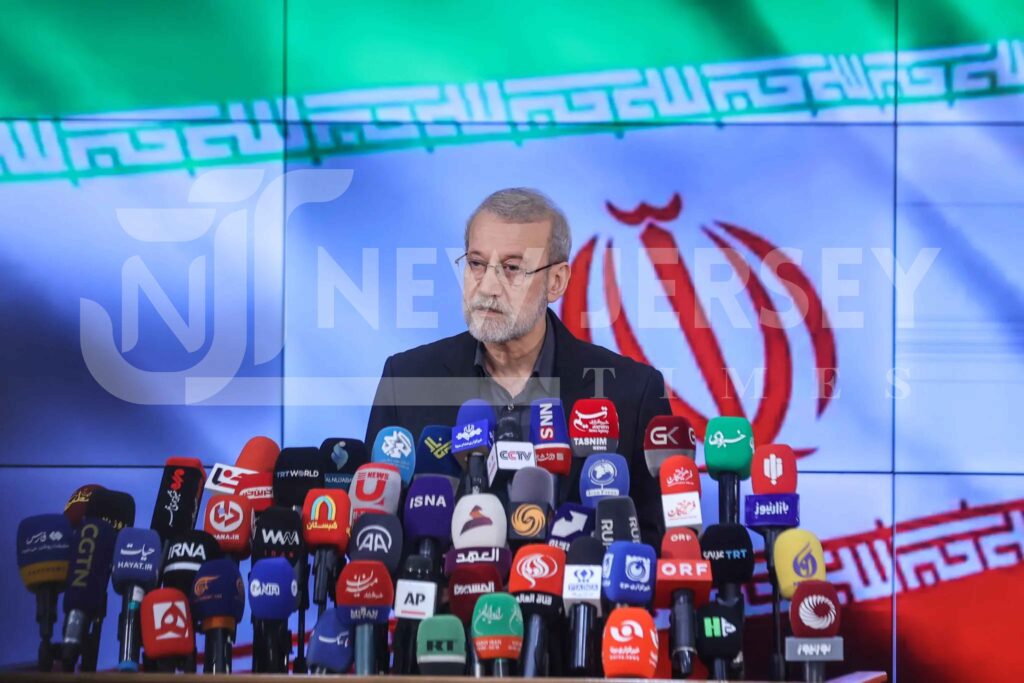
The rough shape of the deal was this: Iran would agree to stop enriching uranium above 60 percent purity, keeping it well short of weapons grade threshold. In exchange, U.S. sanctions strangling Iran’s oil sector for years would begin unwinding in phases, allowing Tehran to sell crude openly without routing it through gray market tanker fleets. Simple in outline. Incredibly complicated in execution. But the fact that both sides had stayed in the room through at least three rounds of talks in April without a walkout, without a major public blowup meant something real.
Energy markets understood exactly what was at stake. Iran is quietly pumping somewhere between 3.3 and 3.6 million barrels a day right now, most of it going to China through arrangements that politely ignore existing sanctions, a flow documented by commodity tracking firms like Kpler and Vortexa. A real deal would bring that supply onto legitimate markets openly. Traders had been pricing that possibility in for weeks. Crude had been drifting lower through March and into April. The math was quietly working.
It is not working anymore. Analysts at Goldman Sachs, in a note reported Monday by Bloomberg, estimated the market had been discounting somewhere between 600,000 and 800,000 additional barrels per day of Iranian supply arriving by year end. That entire assumption is now being repriced, and the direction it is moving is not down.
The Explanation Nobody Fully Believes
The Pentagon put out its statement. The U.S. strikes were necessary, it said. Kata’ib Hezbollah and affiliated groups were moving advanced drone components and rocket propellant through Deir ez Zor province in eastern Syria, and U.S. forces faced an imminent and credible threat. The Defense Secretary went to Capitol Hill for a classified briefing Monday morning. Two aides who described the session to The Washington Post without authorization, which is why neither was named said the atmosphere in the room was not warm. Senators wanted specifics. The administration was measured in what it offered.
The public line from the White House is that military operations and diplomacy run on “parallel tracks” and one does not derail the other. You can strike Iranian proxies on Saturday and still have productive talks in Oman by Thursday. Officials made this argument to Politico with apparent conviction.
Sen. Chris Murphy of Connecticut, who sits on the Senate Foreign Relations Committee and has been around long enough to recognize a talking point, said Monday what a lot of people were privately thinking: that the administration owed Congress a real and coherent explanation of how you credibly sustain a negotiation with a government whose allies you keep bombing. It is not a hostile question. It just does not have a clean answer right now.
What makes the situation particularly difficult is the timing. This was not a strike that happened during a lull in diplomacy. It happened when the Oman process had more momentum behind it than at any point in recent memory. Whether that timing was a coincidence, a miscalculation, or something deliberate is a question nobody in Washington is answering on the record.
The Part That Is Actually Scaring the Oil Market
Forget the airstrikes for a moment. The development that genuinely unsettled commodity desks Monday morning was quieter and received a fraction of the cable news attention: IRGC naval vessels conducting aggressive maneuvers near the Strait of Hormuz on Sunday evening. U.S. Naval Forces Central Command described the behavior as “unsafe and unprofessional” in a formal statement. That is military diplomatic language for: this was deliberate provocation and it is now on the record.
The Strait of Hormuz is 21 miles wide at its narrowest point. Every day, roughly 20 percent of the world’s total oil supply moves through it. There is no realistic alternate routing that handles comparable volumes. If something disrupts that passage even a limited incident, even a standoff that causes tankers to hold position for 48 hours while insurers reassess the supply shock is immediate and severe. Analysts at JPMorgan, cited by the Financial Times Monday, said Hormuz risk has now moved from tail risk to active market pricing consideration. Hedgers are buying insurance against it. The probability has risen enough to warrant real money.
That shift in how the market is thinking about the Strait matters more than the single day crude rally. It means the risk premium is structural until the U.S. Iran situation de escalates and there is no clear de escalation path visible right now.
Monday on Wall Street
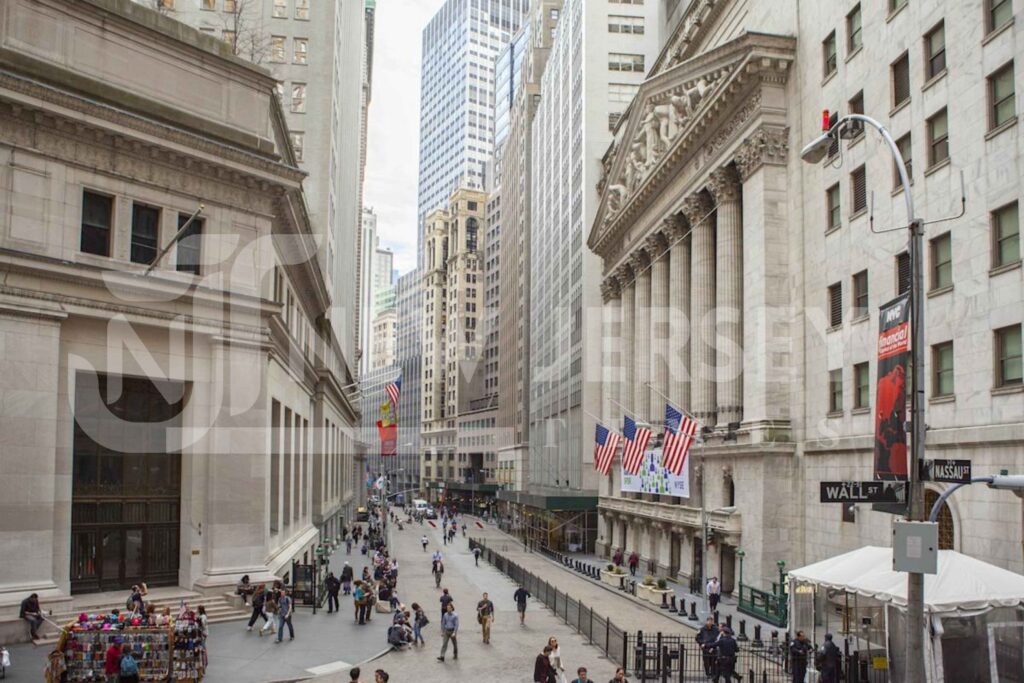
The S&P 500 closed down 1.6 percent not a collapse, but a deliberate and purposeful move as institutional investors re ran their models for what the second half of 2026 looks like with this hanging over everything. Energy stocks broke from the pack ExxonMobil, Chevron, and ConocoPhillips all gained between 2 and 3.5 percent, per CNBC while airlines absorbed punishment alongside consumer names where higher fuel costs translate directly into margin compression.
Gold climbed back near $3,380 an ounce. U.S. Treasury yields slipped, with the 10 year note touching 4.18 percent intraday the standard flight to safety rotation, textbook and entirely rational given the circumstances. The VIX pushed back above 28, a firm signal after weeks of relative calm that the market’s perception of near term risk has shifted meaningfully.
Richard Nephew who spent years at the U.S. State Department designing the very sanctions architecture sitting at the center of these negotiations went on NPR Monday and made a careful case that the Oman channel is not finished. The underlying incentive structure on both sides has not changed because of one bad weekend. Tehran still needs oil revenue. There are still powerful strategic reasons to want a resolution. None of that evaporated Saturday night.
He is probably right. He is also describing a medium term reality while the short term is on fire.
Nobody Knows How This Ends
Omani intermediaries were reportedly working the phones Sunday night, trying to keep the back channel alive even as the military exchange was still technically ongoing, per a source cited by Reuters. The instinct to preserve the process is genuine on all sides. Whether instinct can outrun the momentum of escalation is the only question that matters this week.
The U.S. National Security Council convened an emergency session Sunday evening, according to a person familiar with the meeting who spoke to The Wall Street Journal. The bind policymakers find themselves in is not subtle. Ease up militarily and absorb whatever fallout comes from appearing to retreat under proxy pressure. Or hold the current posture and accept that the most credible diplomatic opening with Iran in over a decade may not survive the contradiction holding it down.
Both paths carry serious costs. Neither timeline is short. And the White House has not yet offered a public answer that actually resolves the tension between the two tracks only assurances that the tension does not exist, which is not the same thing.
What the options market is saying, plainly and without editorializing, is that it does not believe the situation resolves itself quickly. Traders bought upside crude protection through August expiry in significant volume Monday. The scenario where oil hits $100 before summer something that felt genuinely remote six weeks ago, when U.S. and Iranian delegations were still exchanging papers in Muscat is now live enough that serious institutional money is insuring against it.
The deal was fragile. That was always known. What was not fully priced in not by the markets, not by the diplomats, not by anyone who allowed themselves that cautious exhale was just how quickly a fragile thing can break when the wrong people decide the moment is right to push.
That is where we are. And nobody, from Washington to Tehran to the trading floors in between, knows exactly what comes next.
New Jersey Times Is Your Source: The Latest In Politics, Entertainment, Business, Breaking News, And Other News. Please Follow Us On Facebook, Instagram, And Twitter To Receive Instantaneous Updates. Also Do Checkout Our Telegram Channel @Njtdotcom For Latest Updates.

A Wall Street veteran turned investigative journalist, Marcus brings over two decades of financial insight into boardrooms, IPOs, corporate chess games, and economic undercurrents. Known for asking uncomfortable questions in comfortable suits.

A political science PhD who jumped the academic ship to cover real-time governance, Olivia is the East Coast's sharpest watchdog. She dissects power plays in Trenton and D.C. without bias or apology.