
Eminem Launches U.S. Trademark Fight Against Australian Brand Swim Shady
The rapper’s legal team moves to cancel the U.S. mark held by Sydney’s Swim Shady, escalating a cross-border battle over the Slim Shady name.

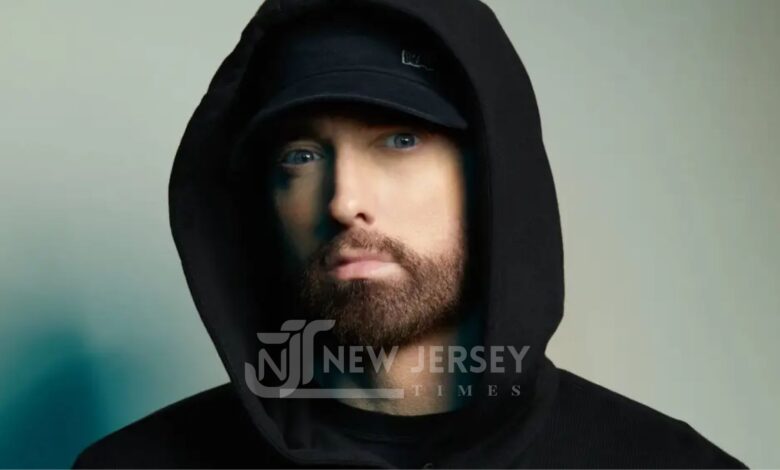
Trenton, November 19 EST: The long shadow of Slim Shady has reached the beaches of Sydney, dragging a small Australian sun-protection brand into a fight it never expected to wage. Over the past two days, the dispute between Eminem and the lifestyle label Swim Shady has accelerated from a quiet trademark scuffle into an international showdown involving regulators in both the United States and Australia.


Eminem Triggers USPTO Fight Over “Swim Shady”
According to People, the rapper filed a petition with the United States Patent and Trademark Office late this week, asking the agency to cancel the trademark that Swim Shady secured in September. His legal team argues that American consumers are likely to assume the company’s name signals some affiliation with Eminem’s “Slim Shady” persona, which has been cemented in popular culture for more than two decades.
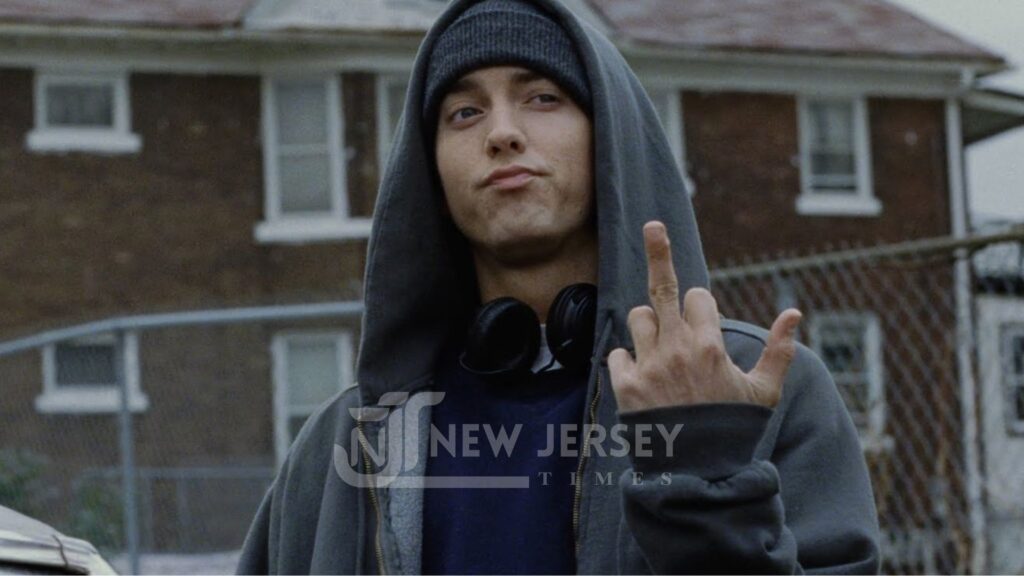
The move did not come out of nowhere. Eminem already holds formal trademarks connected to “Shady,” “Shady Limited,” and “Slim Shady.” His lawyers have spent years defending those marks across music, apparel, and merchandise. The difference now is that they are no longer confronting a parody T-shirt on a small website or a short-run bootleg drop; this time, the target is an emerging consumer brand expanding into the U.S. market.
Still, the petition is a significant step. Once filed, the USPTO begins a structured process: the agency notifies the trademark holder, sets deadlines for reply, and eventually determines whether the contested mark stands or falls. As HOT 97 noted, Swim Shady will have to answer the petition within that formal window.
How a Beach Startup Ended Up Facing a Global Superstar
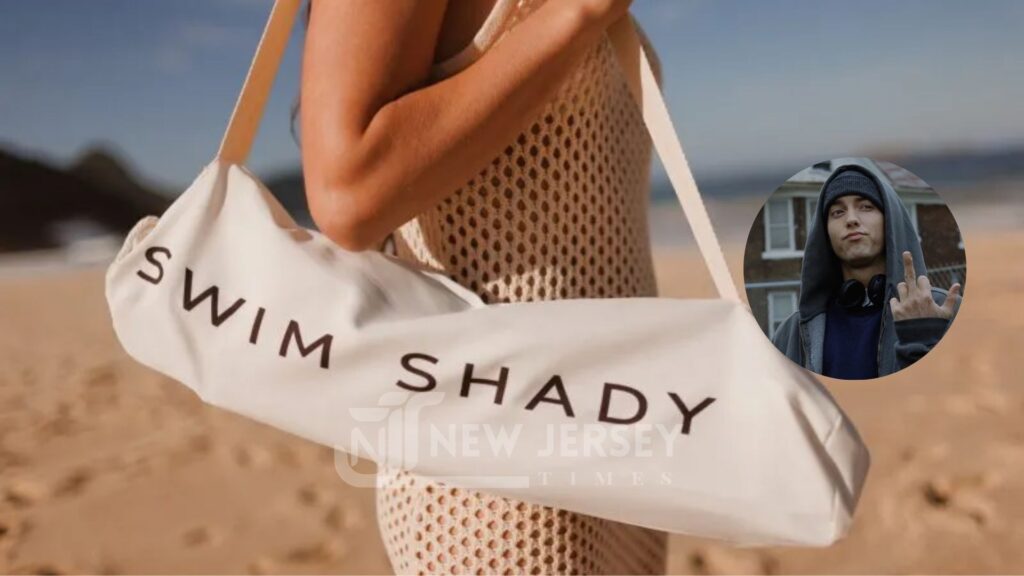
To understand why this thorny dispute surfaced at all, it helps to look at the brand itself. Swim Shady, based in Sydney, sells umbrellas, towels, swim bags, and shorts. It leans into bright, beach-ready colors and surf-culture humor. On the surface, its products have nothing to do with the Detroit rapper or his music.
But there’s a twist. The Independent reported that the company once operated under the name “Slim Shade,” a detail that now sits at the center of the rapper’s legal argument. While Swim Shady eventually rebranded, the rhyme and playful reference survived. Trademark lawyers often say that context matters as much as spelling, and this background is now drawing fresh scrutiny.
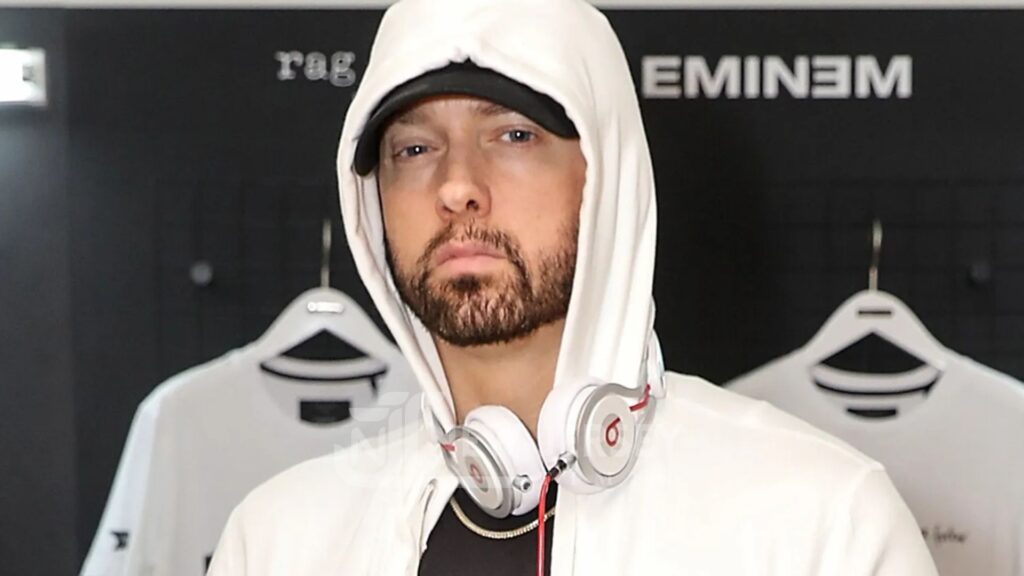
As it turns out, this is not their first encounter. In October 2024, Eminem’s team formally opposed Swim Shady’s attempt to register its trademark in Australia, according to The Guardian. By January 2025, the rapper had filed a trademark application for “Slim Shady” in Australia, creating a parallel conflict that is still unfolding.
The Brand Pushes Back
Unlike Eminem, whose representatives have kept a tight lid on commentary, Swim Shady has spoken publicly. In a statement carried by The Guardian, the company described itself as a “grassroots Australian” operation built around sun safety. It emphasized that the brand was not seeking to trade on the rapper’s fame and would defend its intellectual property in both countries.
The message was clear: the brand doesn’t see itself as a hitchhiker clinging to pop-culture relevance. Instead, it sees itself as a small company blindsided by a trademark collision.
Still, the name remains the core of the dispute. Trademark officials typically examine how an average consumer interprets a mark, not how the company intends it. And when a name has rhythmic or phonetic overlap with one of the most famous alter egos in hip-hop, experts say questions inevitably follow.
What Trademark Experts Are Watching Next
Legal analysts who spoke to multiple outlets are treating this case as a fresh test of what counts as “confusion” in a marketplace saturated with references, remixes, and nostalgia. According to Finance Monthly, observers are watching to see how regulators balance the cultural weight of the Slim Shady name against the rights of a small business operating in a completely different commercial lane.
The risk for Swim Shady is real. If the USPTO sides with Eminem, the company could lose its ability to use the mark in the United States, potentially wiping out the branding it has built for overseas growth. Rebranding is expensive, especially for a company built on playful word-based marketing.
For Eminem, the stakes are different. A win would reinforce his longstanding pattern of protecting the Shady brand across markets. A loss, however unlikely, would raise questions about where the limits of celebrity trademark protection actually lie.
Trademark specialists say the proceeding will likely hinge on a cluster of practical questions:
- Would a shopper reasonably assume the name is connected to the rapper?
- Is the overlap a coincidence, or does the history suggest a deliberate nod?
- Does similarity matter when the products belong to different categories?
None of those questions have simple answers. And, as experts often note, trademark disputes are less about drama and more about paperwork, deadlines, and slow administrative momentum.
A Cross-Continental Conflict With No Quick Finish
The American case isn’t the only front. In Australia, both sides have filed competing actions: Eminem is still challenging Swim Shady’s bid to register its mark, while Swim Shady has launched non-use applications aimed at parts of Eminem’s Australian trademark portfolio, as The Guardian reported.
For now, both matters remain in motion. In the United States, the USPTO will review Eminem’s petition, notify Swim Shady, and begin the adversarial process. In Australia, regulators must sort out dueling filings that reflect two very different goals: protection for one side, survival for the other.
Where the dispute ultimately lands is anyone’s guess. Trademark battles tend to end not with dramatic rulings but with negotiated agreements, quiet withdrawals, or incremental administrative decisions. But the cultural mismatch at the heart of this conflict a towering music icon versus a beachwear startup ensures that the fight will continue drawing attention far beyond the legal filings.
For now, both sides are locked in, and the next move belongs to the USPTO.
New Jersey Times Is Your Source: The Latest In Politics, Entertainment, Business, Breaking News, And Other News. Please Follow Us On Facebook, Instagram, And Twitter To Receive Instantaneous Updates. Also Do Checkout Our Telegram Channel @Njtdotcom For Latest Updates.

A bi-coastal pop culture critic and former indie screenwriter, Gia covers Hollywood, streaming wars, and subculture shifts with razor wit and Gen Z intuition. If it’s going viral, she already knew about it.