
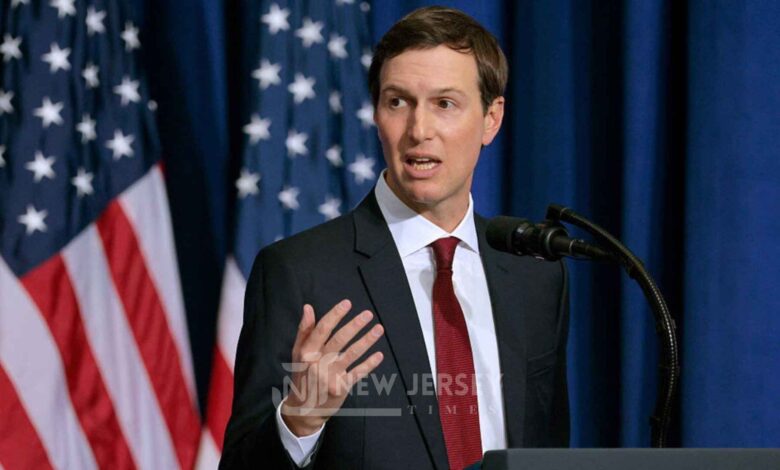
Jerusalem: Jared Kushner, U.S. President Donald Trump’s son-in-law and envoy, left Jerusalem on Monday without securing a breakthrough after two days of talks aimed at reviving the stalled U.S. plan to end the war in Gaza.


Kushner met Israeli Prime Minister Benjamin Netanyahu after holding separate discussions with senior Hamas representatives in Egypt. The meetings were intended to narrow differences over how the proposed peace plan should be carried out, particularly on the sensitive issues of Hamas disarmament and the withdrawal of Israeli forces from Gaza.
Despite the diplomatic push, both Israel and Hamas remain divided over which side should act first.
Disarmament and Withdrawal Remain Key Sticking Points
The current dispute centres on the sequence of the proposed agreement.
Trump announced last month that Hamas had agreed to give up its weapons in phases under a 15-point roadmap developed by his Board of Peace. Under the proposal, Hamas would gradually disarm while Israeli forces would withdraw from Gaza.
Hamas has said it accepted the roadmap in principle but argues that Israel must first meet its own commitments, including stopping military operations and beginning a withdrawal from Gaza.
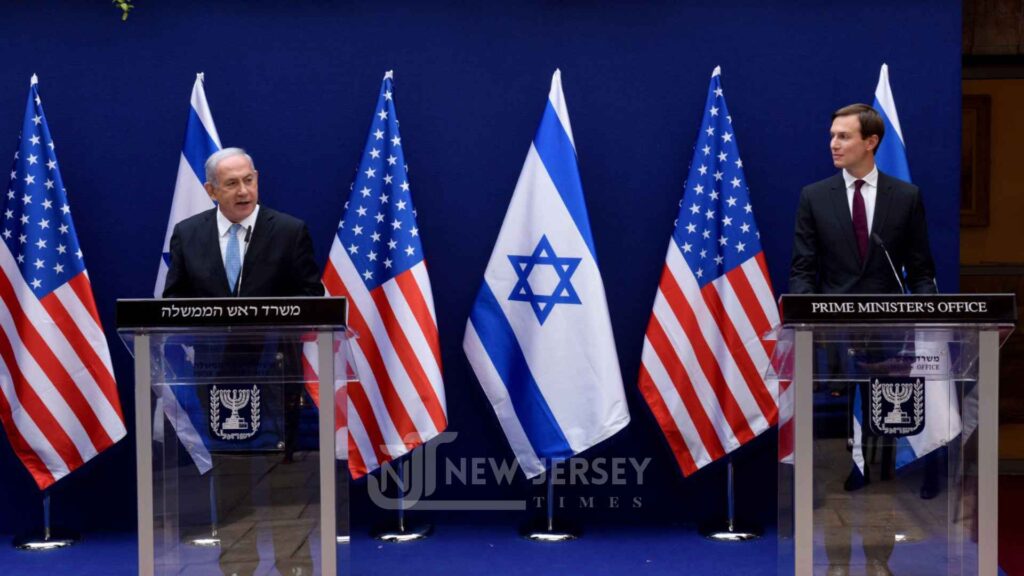
Netanyahu has taken the opposite position.
During his meeting with Kushner, the Israeli prime minister maintained that Israeli forces would not pull back until Hamas had fully disarmed and Gaza had been demilitarised.
An official involved with the Board of Peace said the discussions confirmed that there would be no Israeli military redeployment until Hamas surrendered its weapons and Gaza’s military infrastructure was dismantled.
The official said this would include light and heavy weapons as well as Hamas’ tunnel network.
At the same time, the official said Hamas had communicated a commitment to eventually disarm and stop military activities, including efforts to rebuild its weapons stockpile or construct new tunnels.
Those assurances were not enough to resolve the disagreement over timing.
Israel Says Military Operations Could Continue
An Israeli official said Netanyahu made clear that the military would continue operating when it believed action was necessary, including against militants Israel says were involved in the October 7, 2023 attack that triggered the Gaza war.
Israel also wants to retain the ability to respond if Hamas attempts to rearm or resume attacks.
Netanyahu and Kushner also agreed that large-scale reconstruction in Gaza should not begin until Hamas has been disarmed, according to officials familiar with the discussions.
The meeting lasted several hours and was also attended by Nickolay Mladenov, the Board of Peace envoy for Gaza and a former United Nations official involved in efforts to implement the U.S. plan.
Hamas Demands Ceasefire Compliance
Hamas continues to insist that Israel must fully respect the existing ceasefire and withdraw its forces from Gaza before the disarmament process moves forward.
The conflicting demands have become one of the biggest obstacles to implementing Trump’s plan.
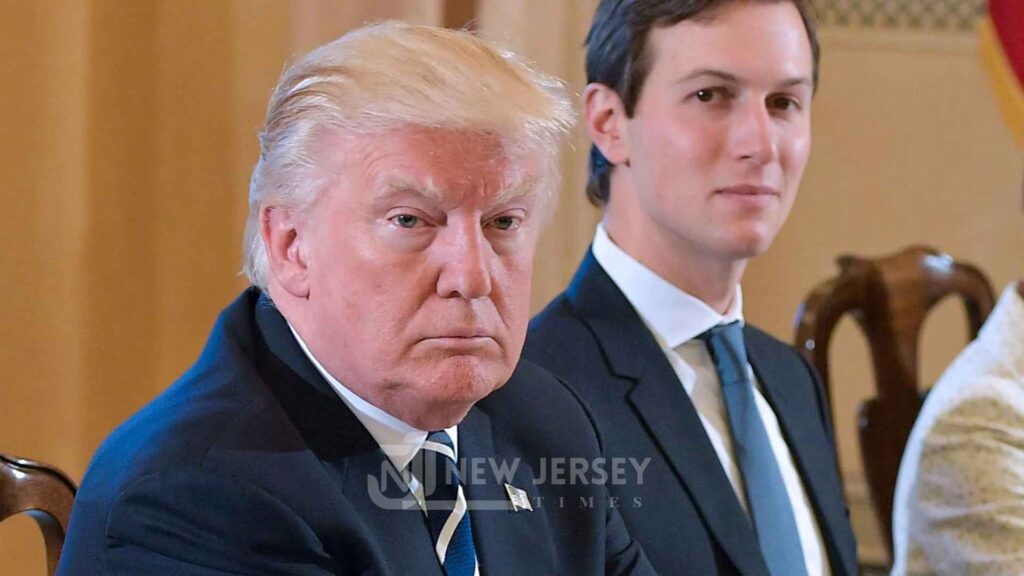
Although a ceasefire was reached in October, violence has continued. Israeli air strikes and military operations have taken place in Gaza, while Israel has maintained control over additional areas of the territory.
According to figures cited by Gaza health officials and the Israeli military, more than 1,200 Palestinians and four Israeli soldiers have been killed in Gaza since last October.
The two sides remain sharply divided over whether Israeli withdrawal or Hamas disarmament should happen first.
Working Groups Planned Despite Lack of Deal
While the talks did not produce an overall agreement, some practical steps were discussed.
Netanyahu and Kushner agreed to establish a working group focused on Hamas disarmament. A separate group is expected to deal with urgent civilian issues in Gaza, including sanitation, access to clean water and other public health needs.
These discussions could allow limited progress even while the broader political and security negotiations remain stalled. Officials have previously suggested that reconstruction could initially take place in parts of Gaza controlled by Israel or under a future Palestinian technocratic administration.
Questions also remain over what types of weapons, if any, civilians would be permitted to possess under a future governing arrangement.
Israeli Election Adds Political Pressure
The negotiations are taking place as Netanyahu prepares for a national election scheduled for October 27.
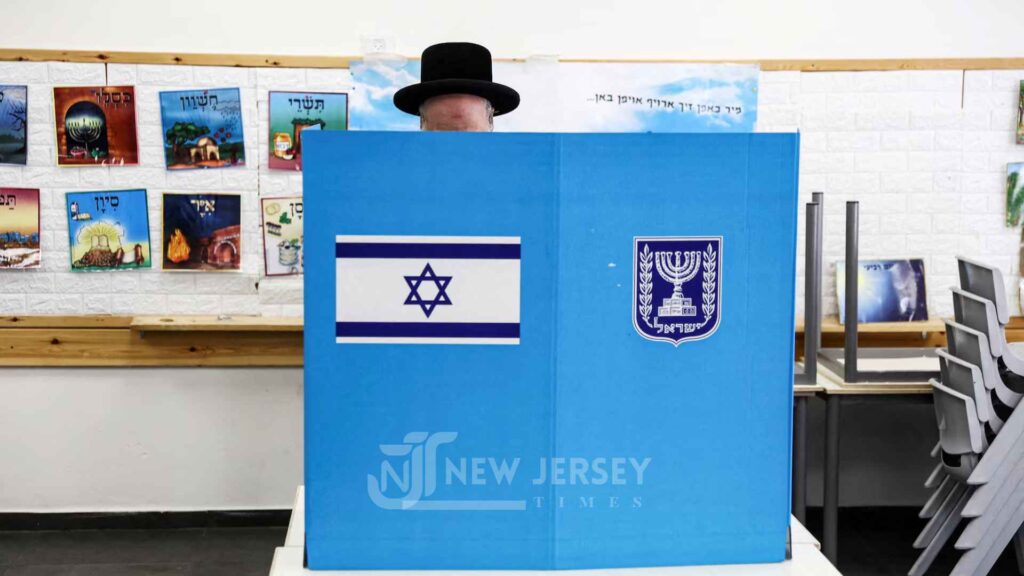
His governing coalition is facing political pressure, making major concessions on Gaza particularly difficult ahead of the vote.
Netanyahu has repeatedly argued that Hamas must no longer be capable of threatening Israel before Israeli forces make major withdrawals from Gaza.
That position remains difficult to reconcile with Hamas’ demand for Israeli withdrawal and an end to military operations before it moves toward full disarmament.
Kushner Also Met Hamas Leadership in Egypt
Before travelling to Israel, Kushner and Mladenov met Hamas political leader Khalil Al-Hayya in Egypt on Sunday.

It was Kushner’s second known meeting with representatives of Hamas, which the United States designates as a terrorist organisation.
Kushner previously met Hamas officials alongside U.S. envoy Steve Witkoff in October 2025. Those discussions were part of diplomatic efforts that helped produce a ceasefire and the release of remaining hostages held by Hamas.
His latest diplomatic mission, however, has ended without a similar breakthrough.
What Happens Next?
The U.S. administration is expected to continue trying to find common ground between the two sides, but the main disagreement remains unresolved.
Israel wants Hamas to fully disarm before withdrawing troops or allowing major reconstruction to begin. Hamas wants Israel to halt military operations and withdraw before completing the disarmament process.
Until the two sides agree on that sequence, Trump’s Gaza plan is likely to remain difficult to implement.
For now, Kushner’s latest round of talks has kept diplomatic channels open, but it has not resolved the central issue standing in the way of a broader agreement to end the Gaza war.
New Jersey Times Is Your Source: The Latest In Politics, Entertainment, Business, Breaking News, And Other News. Please Follow Us On Facebook, Instagram, And Twitter To Receive Instantaneous Updates. Also Do Checkout Our Telegram Channel @Njtdotcom For Latest Updates.

A political science PhD who jumped the academic ship to cover real-time governance, Olivia is the East Coast's sharpest watchdog. She dissects power plays in Trenton and D.C. without bias or apology.