Wicked: For Good Flips the Oz Myth: Inside the Ending Fans Can’t Stop Debating
Why the new Wicked sequel’s final act is sparking fresh theories, emotional rewatches, and a whole new look at the story we thought we knew.

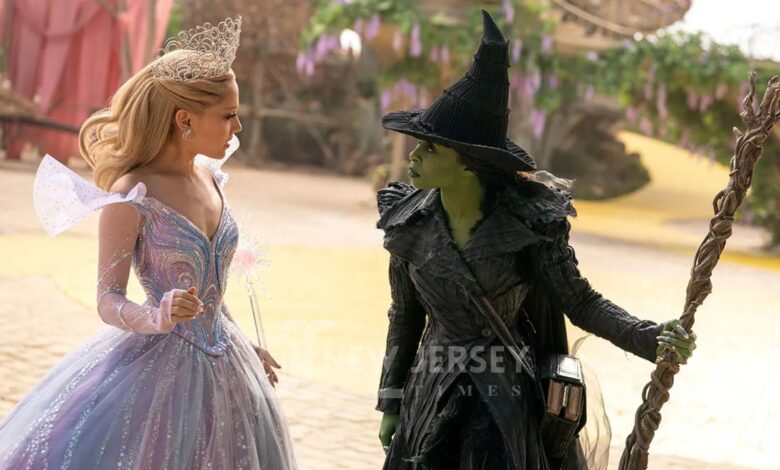
Trenton, November 21 EST: Wicked: For Good doesn’t just button up the story of Elphaba and Glinda. It swings the door wide open on the Oz mythology, reframes a century of lore, and sends fans out of theaters buzzing about who gets to be a villain when history is written by the people in power. And because this is the second half of Jon M. Chu’s two-part adaptation of the blockbuster musical, the emotional stakes hit harder, the political shading runs deeper, and the iconic moments we thought we knew get flipped like a ruby-red heel.


How The Ending Lands
If you’ve been bracing for the famous water-bucket moment, the film drops it right on schedule but with a twist that’s been part of the stage musical’s DNA from the start. According to reporting from People, the big reveal is that Elphaba doesn’t actually die. What looks like a gruesome melt is really a carefully staged exit plan, one that finally lets her slip the narrative that Oz’s leadership has been forcing onto her.
That said, the moment still plays with the dread fans expect. Dorothy appears, the bucket flies, and the palace guards react as if the Wicked Witch has truly met her match. Only later do we learn the truth: Elphaba survives and escapes with Fiyero, who’s still living in his Scarecrow-like form after her desperate spell to save him. Harper’s Bazaar notes that their reunion is tender, quiet, and intentionally small for a story that has trafficked in spectacle. It’s the emotional payoff fans have been waiting nearly two decades for, ever since the musical left them in tears back in 2003.
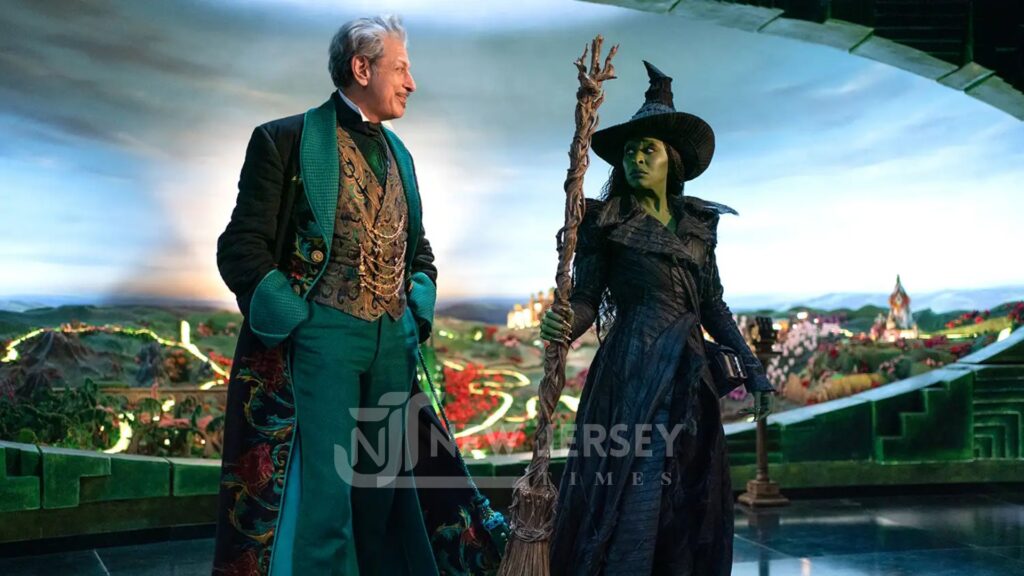
Meanwhile, Glinda’s arc goes in a more grounded direction. With Elphaba gone at least in the eyes of the Ozians she steps into a position of power that she never truly wanted but can no longer avoid. As highlighted by Harper’s Bazaar, Glinda confronts the Wizard, finally seeing through the smiling authoritarian veneer, and puts Madame Morrible exactly where she belongs: behind bars. The film lets her grow into a leader who understands the cost of doing the right thing when the whole country wants an easy story.
The Oz Moments You Thought You Knew
One of the delights of this film, as People and Business Insider both point out, is how it reframes classic Wizard of Oz imagery. The yellow brick road doesn’t arrive as a whimsical flourish; it appears as a symbol of political manipulation. Dorothy’s entrance isn’t a heroic turning point; it’s a narrative accident that shifts the power dynamic in ways the citizens of Oz don’t yet understand. And the infamous meltdown? It’s propaganda fuel for a regime eager to point to a vanquished villain.
Still, the movie isn’t cynical about the Oz legend. It doesn’t mock the original; it deepens it. Fans have long loved the way Wicked stitches itself around the seams of Oz lore like a secret embroidery. Cosmopolitan underlines the same idea: the movie flips the story we grew up with by showing the supposed villain as a young woman burdened by conscience, loyalty, and the knowledge that doing what’s right might destroy her reputation forever.

And yes, for fans wondering if the timelines match: Business Insider confirms they do. Chu’s film overlaps with the timeline of the 1939 classic, letting the stories run side-by-side in ways that feel almost mischievous. You watch the gears click into place, scene by scene, until you can’t unsee the new version.
The Politics Under The Sparkle
If the first film was about friendship, the second is about the machinery of power how it’s used, how it’s abused, and how myth can be weaponized. The Verge notes that Wicked: For Good leans harder into the authoritarian rot at the center of Oz, framing the Wizard not as a harmless fraud but as a manipulator with an uncanny ability to turn public fear into control.
That doesn’t make the film dour. It just gives it teeth. The showstopping numbers still soar, but they’re now connected to something more urgent. When Elphaba sings, she isn’t just proclaiming independence; she’s indicting the whole system. When Glinda sheds her image as the perfect public darling, she’s choosing integrity over applause. For a franchise that’s always understood the power of a well-timed belt, this thematic bite feels right on time.
Why Fans Are Talking
The online chatter today yes, the kind that explodes the moment the end credits hit is centered around three things:
- Elphaba’s survival, an idea that still feels rebellious even if longtime fans saw it coming.
- Dorothy’s new role, smaller but more complicated, a footnote in another woman’s revolution.
- The “who writes history?” angle, which is landing hard for a generation suspicious of polished narratives and hungry for revisionist storytelling with purpose.
According to Cosmopolitan, viewers who grew up with the original film are especially struck by how differently the same events read when told from the witches’ viewpoint. It’s not that Dorothy is villainized she’s simply not the center of the universe anymore.
The Offscreen Story
Jon M. Chu has been open, as cited by Harper’s Bazaar, about why he wanted to stretch the adaptation into two films. The expanded canvas gives room for the political undercurrent, the complicated friendship, and the big musical moments to breathe instead of bumping elbows. And while Wicked superfans can cite chapter and verse from the 1995 Gregory Maguire novel, Chu’s film keeps its emotional compass pointed firmly toward the relationship between the two women at its core.

There’s also a fascinating nugget that Biography surfaced today: the darker, real-world inspiration that quietly influenced a portion of Maguire’s novel. It’s not foregrounded in the movie, but knowing it lurks underneath gives the entire Wicked universe a sting.
Why This Ending Works Now
Two decades after the musical reshaped Broadway, Wicked: For Good lands in a cultural moment obsessed with retellings, villain origin stories, and behind-the-curtain narratives. But unlike so many revisionist takes, this one doesn’t flatten its characters. It humanizes them. It lets their contradictions stand. It lets their pain be complicated.
And in the end, Elphaba and Glinda don’t get the story they wanted. They get the story they earned. One escapes the myth; one inherits it. Both walk into futures shaped by a friendship that, as the song promises, changed them for good.
New Jersey Times Is Your Source: The Latest In Politics, Entertainment, Business, Breaking News, And Other News. Please Follow Us On Facebook, Instagram, And Twitter To Receive Instantaneous Updates. Also Do Checkout Our Telegram Channel @Njtdotcom For Latest Updates.

A bi-coastal pop culture critic and former indie screenwriter, Gia covers Hollywood, streaming wars, and subculture shifts with razor wit and Gen Z intuition. If it’s going viral, she already knew about it.