

How a Rob Reiner Death Hoax Spread and Why It Fooled So Many People
Inside the anatomy of a viral celebrity crime hoax and the real Rob Reiner story behind it


Trenton, December 16 EST: By the time it reached wider circulation, the story already felt finished. Names filled in. Motive implied. Authority borrowed. It looked like news that had simply arrived late to some readers’ feeds. It had not happened at all.


Over the weekend, a fabricated claim alleging the violent deaths of filmmaker Rob Reiner and his wife, Michele Singer Reiner, spread across social platforms and private message threads. The posts cited familiar institutions: AP News, Reuters, People, and the Los Angeles Times. The links looked right. The language sounded right. The confidence did the rest.
For a short window, the story lived in that dangerous middle ground where people do not quite believe something, but believe it enough to pass it along.
Inside actual newsrooms, the claim unraveled quickly. No police department confirmed a crime. No court filings existed. No wire alert moved across editorial desks. None of the outlets being cited had published the reporting attributed to them.
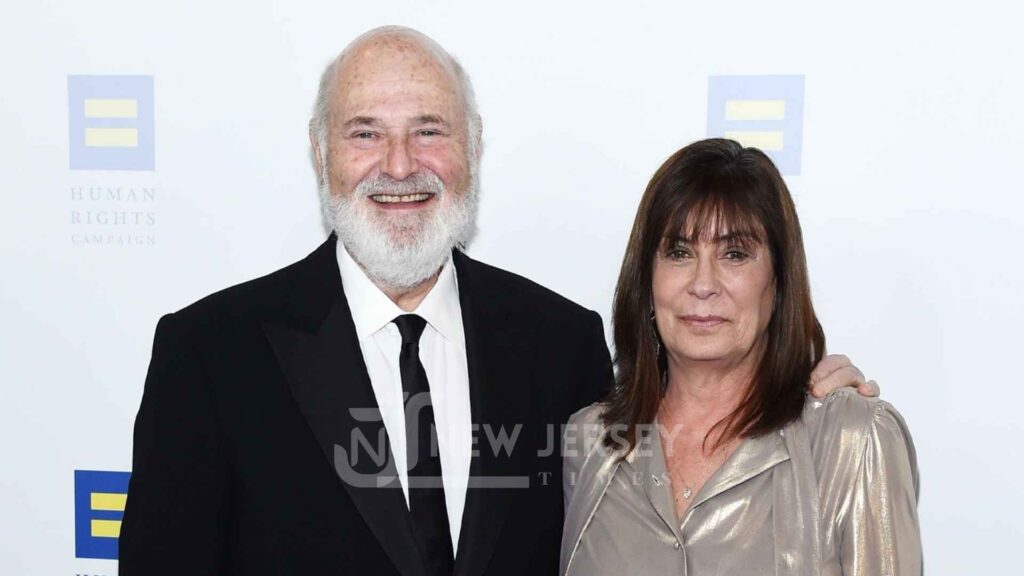
That absence was the tell.
How These Stories Are Built
This was not a rumor in the traditional sense. It was constructed.
The false narrative followed a pattern journalists now see with increasing frequency. A recognizable public figure. A shocking allegation. Multiple trusted outlets have confirmed. Secondary details added to discourage follow-up questions.
The objective is not permanence. It is momentum.
Once a reader accepts the premise, even briefly, the story has already done its work. Screenshots circulate. Summaries appear. Corrections rarely travel as far.
Editors who reviewed the claims described familiar warning signs. URLs that mimicked real articles but lacked internal structure. References to court actions without docket numbers. Language that gestured toward official sourcing without naming a single on-the-record authority.
Real breaking news is messy. It hedges. It pauses. It leaves space for what is not yet known. Fabricated stories rush to certainty.
Why Trusted Outlets Get Dragged In
Hoaxes do not invent credibility. They borrow it.
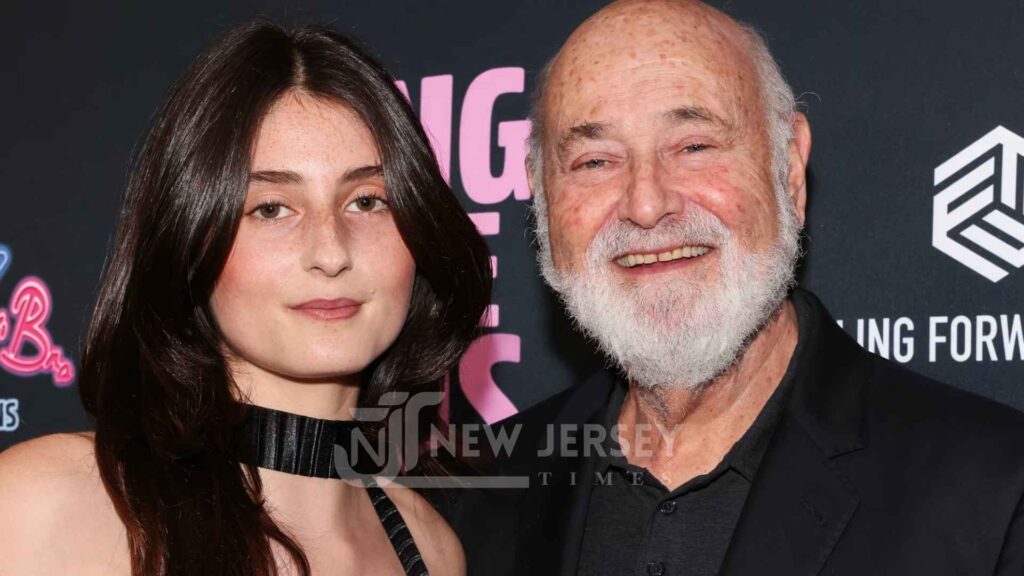
Citing Reuters or AP works because readers trust those institutions enough not to double-check them. The brand becomes the verification. That trust is precisely what gets exploited.
In practice, wire services are among the easiest sources to confirm. Their reporting is widely syndicated and publicly archived. When nothing appears there, that silence matters.
A genuine homicide involving a major Hollywood figure would trigger statements from law enforcement, prosecutors, and at least one national wire within minutes. When that does not happen, editors stop reading.
The Real Damage
The cost of stories like this is cumulative. Each false alarm dulls the public’s response to real breaking news. Each fabricated accusation attaches violence to people who are very much alive, with families who then have to field calls and messages asking whether they are dead.
Newsrooms have adapted by slowing down. Verification teams now treat viral claims as suspect by default. Editors pull court records directly. Reporters wait for named confirmation instead of echoing social chatter.
When that process works, the outcome is quiet. No correction. No headline. Just a story that never runs.
New Jersey Times Is Your Source: The Latest In Politics, Entertainment, Business, Breaking News, And Other News. Please Follow Us On Facebook, Instagram, And Twitter To Receive Instantaneous Updates. Also Do Checkout Our Telegram Channel @Njtdotcom For Latest Updates.

Trained in war zones, raised in Newark, and seasoned in city hall, Jordan blends grit reporting with deep integrity. From floods to finance bills, they’re always first on scene and last to leave.
- Jordan Adebayo
- Jordan Adebayo
- Jordan Adebayo
- Jordan Adebayo
- Jordan Adebayo
- Jordan Adebayo
- Jordan Adebayo
- Jordan Adebayo
- Jordan Adebayo

A bi-coastal pop culture critic and former indie screenwriter, Gia covers Hollywood, streaming wars, and subculture shifts with razor wit and Gen Z intuition. If it’s going viral, she already knew about it.



