
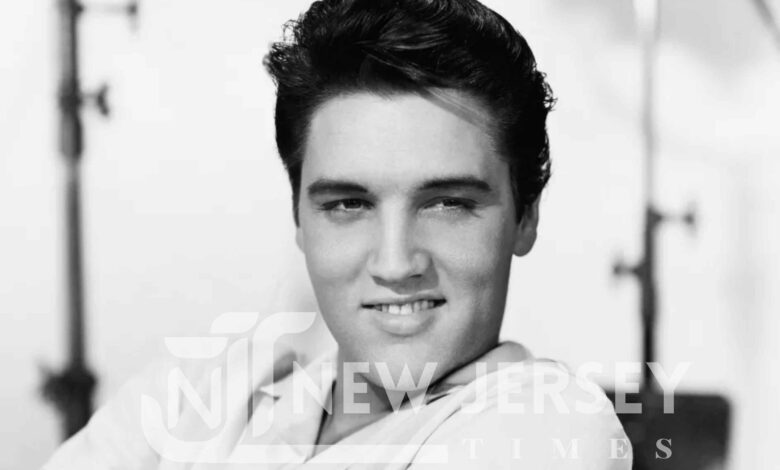
Newark, May 11: You know what is genuinely strange about the music business in 2026?
Elvis Presley is in the Top 10.
Not as a joke. Not as a throwback playlist. Not as some nostalgic charity chart bump engineered by a label with too much time on its hands. A real, counted, properly earned Top 10 album position on the Billboard 200. The same chart that Kendrick Lamar and Sabrina Carpenter and every other artist with a pulse and a publicist are fighting over every single week.
Elvis Presley is in there with them.
The man has been dead since August 1977. He never heard a Spotify notification in his life. He never refreshed his streaming dashboard at midnight on a release Friday. He died before the compact disc was even a commercial product, let alone before anyone imagined a world where music would travel through phones into earbuds worn by teenagers born forty years after his last recording session.
And yet. Here we are.
Here Is What Nobody Wants to Admit
The easy story is the business story. And we will get there, because the business story is genuinely impressive and deserves its moment.
But the easy story is not the real story. Not entirely.
The real story is that Elvis Presley made recordings that are somehow still finding people who need them. Not people who were told to listen. Not people completing a music history assignment. Real people, on real Tuesday afternoons, putting on “Suspicious Minds” or “In the Ghetto” or “Can’t Help Falling in Love” because something in their life in 2026 made them reach for a song recorded in the 1960s.
That is not a marketing outcome. You cannot buy that. You cannot engineer it in a quarterly planning meeting.
What you can do is make recordings so honest and so human that they outlast everything around them. The trends, the formats, the technology, the industry structures, all of it keeps changing and the music just keeps being the music.
Elvis Presley apparently did that. The chart this week is just the latest piece of evidence.
Okay Now the Business Story, Because It Is Actually Good
When Elvis died in the summer of 1977, the estate he left behind was not in good shape.
That is putting it gently. The finances were a mess. The management structure was worse. The people around him in his final years had not exactly been running things with an eye toward long-term sustainability. Without serious intervention, the whole thing was headed toward the kind of slow dispersal that leaves almost nothing meaningful behind.
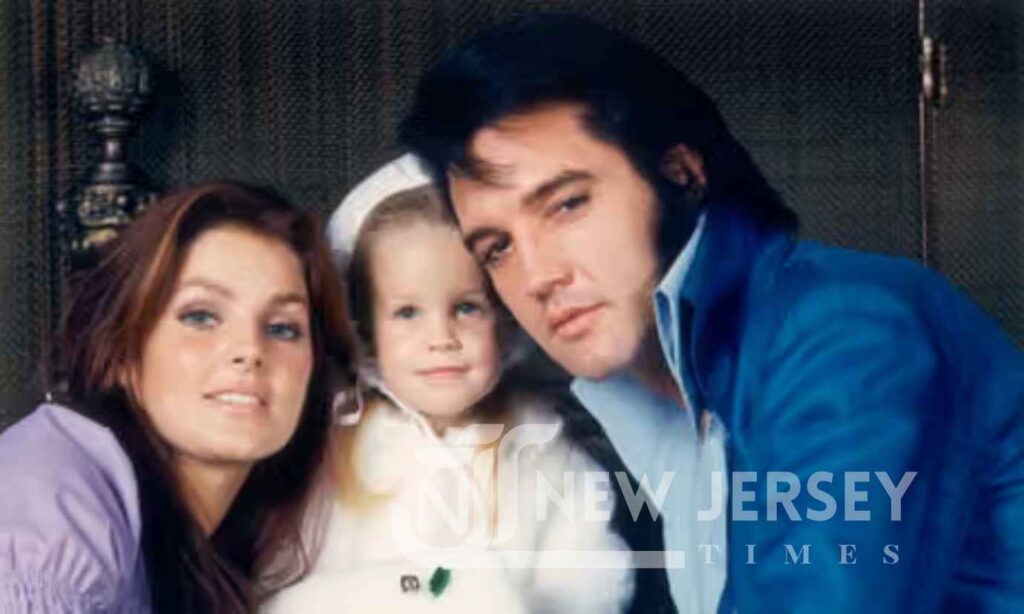
Priscilla Presley was the one who stopped that from happening.
She took over, rebuilt, and made a series of decisions that looked risky at the time and look brilliant in hindsight. The biggest one came in 1982 when she opened Graceland to the public. People in the industry thought it was undignified. A gimmick. A sign of desperation.
It was none of those things. It was the foundation of everything that came after.
Graceland now pulls in close to 600,000 visitors every single year. It is one of the most visited private homes in America, behind only the White House. It turned the physical space of Elvis Presley’s life into something people could actually experience, which kept the emotional connection to the music alive in ways that no advertisement ever could.
From there, the whole operation evolved into something genuinely sophisticated.
Universal Music Group eventually acquired the master recordings and treated them like the assets they actually are. Proper remastering. Careful archiving. Strategic release planning that positioned the catalog for streaming platforms rather than just leaving it to gather dust.
Then Authentic Brands Group came in and acquired Elvis Presley Enterprises in a deal that reportedly crossed $500 million. These are the same people who manage the commercial legacies of Marilyn Monroe and Muhammad Ali. They know what they are doing with iconic names that outlive their owners.
Put it all together and you have an operation that is less a music catalog and more a fully functioning cultural institution. One that treats every release decision, every licensing deal, every anniversary campaign with genuine strategic thought.
It works. This week’s chart position is proof of that.
But it only works because the music underneath all of it is actually worth this much effort. The strategy cannot manufacture what is not there. It can only protect and present what already exists.
The Movie Did Something Real
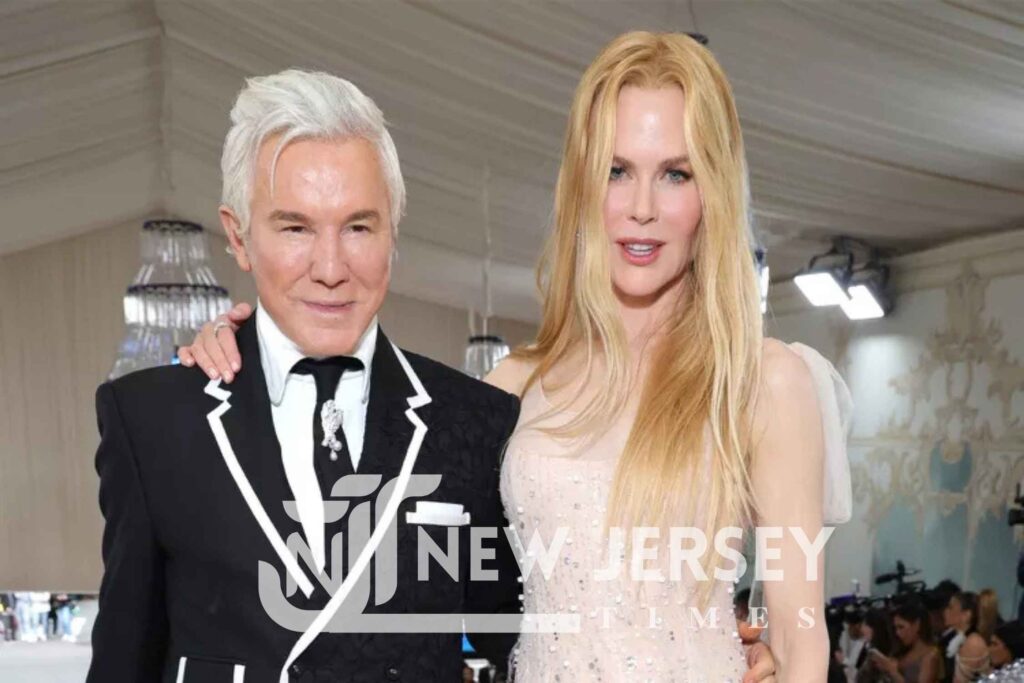
Somewhere in the conversation about the 2022 Baz Luhrmann film there is a tendency to either oversell it or undersell it.
The oversell is that it single-handedly revived Elvis Presley’s legacy. That is not quite right. The legacy was never really dormant. It just runs at different temperatures at different moments.
The undersell is that it was just another biopic that came and went. That is not right either.
What the film actually did was introduce Elvis Presley to a generation of people who knew the name without knowing the music. And that is a genuinely important distinction.
There are millions of people in their twenties right now who grew up understanding Elvis as a cultural symbol, the jumpsuit, the sideburns, the hip swivel, without ever having sat down and actually listened to a full record. The Luhrmann film changed that for a meaningful slice of that audience.
Austin Butler had a lot to do with it. That performance went somewhere uncomfortable and true in ways that people did not expect. There were moments watching that film where the usual protective distance you maintain from a biographical movie just collapsed. Where you stopped watching a performance and started feeling like you were watching a person.
That made people curious. And curious people went to streaming platforms.
Luminate captured what happened in real time. Daily streams on Elvis Presley tracks climbed sharply the week the film opened and kept climbing. The catalog numbers that had been steady and strong suddenly jumped to levels that surprised even people inside the industry.
More to the point, those numbers did not fall back to where they had been before. The new listeners who arrived through the film mostly stayed. They went through the catalog. They discovered songs they had never heard. They brought friends along.
The film grossed over $287 million worldwide according to Box Office Mojo. That is a big number. But the audience it deposited permanently into the Elvis Presley catalog might be the bigger legacy.
The TikTok Part Still Surprises Me Honestly
Nobody planned this. That is what makes it interesting.
“Can’t Help Falling in Love” was recorded in 1961. Sixty-five years ago. It has spent the last three years being one of the most used songs on TikTok for a very specific category of human moment.
Not party content. Not dance challenges. The quiet stuff. The proposal your friend filmed on a shaking phone in a restaurant. The video someone made when their grandmother came home from the hospital. The compilation of a dog’s whole life set to two minutes and fifty-eight seconds of music that somehow holds all of it.
People did not choose that song because an algorithm told them to. They chose it because it felt true to the moment they were trying to capture. Because Elvis Presley’s voice in that recording carries something that a lot of newer, technically superior productions somehow do not.
“Suspicious Minds” became edit content. “A Little Less Conversation” showed up in sports and fitness videos in ways nobody at a label anticipated. “In the Ghetto” found new audiences who heard what it was actually saying about poverty and systems and started sharing it in completely different contexts than the ones it was made for.
The catalog kept finding rooms. That is the only way to describe it.
According to Luminate, the total annual stream count for Elvis Presley recordings now sits above two billion. Every year. Not a one-time spike. A consistent, sustained baseline of two billion streams annually.
That puts Elvis Presley in a category with The Beatles and Michael Jackson and almost no one else. Three names. That is essentially the list.
The Complicated Part Belongs Here Too
Any honest piece about Elvis Presley has to make room for this.
He grew up genuinely poor in Tupelo, Mississippi, which is important context for understanding who he was before he became what he became. He arrived in Memphis as a teenager and found himself inside the most creatively fertile musical environment in America at the time.
That environment was built primarily by Black artists.
The blues and gospel and rhythm and blues traditions that shaped everything about how Elvis Presley sang and moved and felt music were not his by birth. They were created by communities that had been systematically excluded from the commercial rewards of their own cultural production.
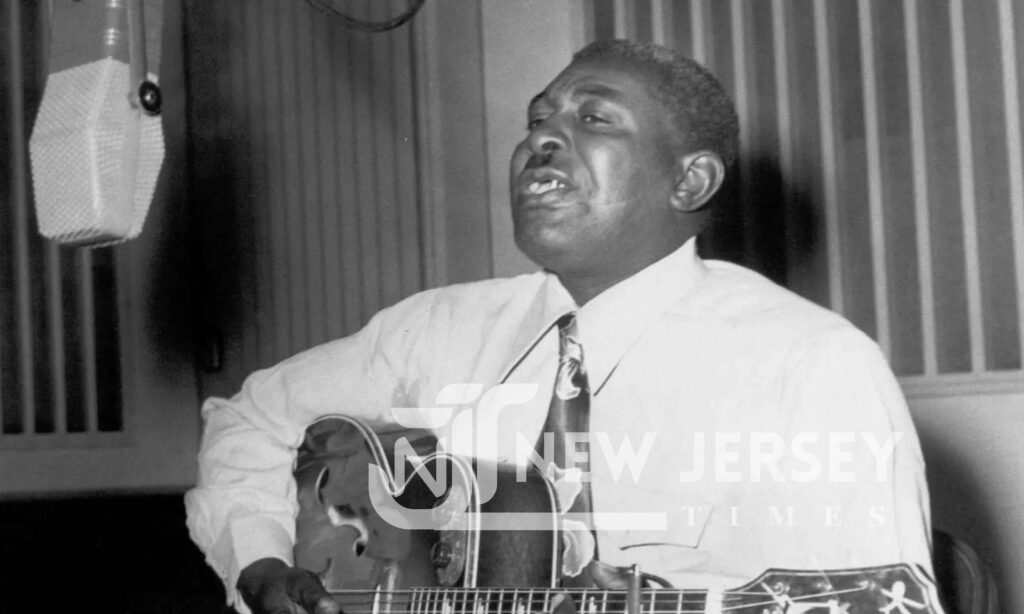
Arthur Crudup wrote “That’s All Right”. Big Mama Thornton recorded “Hound Dog” first. The list goes on. The debt is real and it runs deep.
Elvis Presley got rich. The people he learned from mostly did not. That happened inside an industry that was structured, deliberately and not accidentally, to produce exactly that outcome.
This does not make the music less. The recordings are what they are. But the chart position and the streaming numbers and the $500 million estate valuation exist inside a history that deserves to be named clearly rather than tidied away into the footnotes.
Rolling Stone and The New York Times have both written about this with the seriousness it deserves. It belongs in any full accounting of what the Elvis Presley legacy actually contains.
91 Years Old This January
He would have turned 91 in January.
Think about what that means for a moment. Elvis Presley as an old man. White-haired and 91, maybe doing interviews from Graceland, maybe having done that late artistic reinvention that Johnny Cash got to do with Rick Rubin in the 1990s.
Cash was written off too, at a certain point. Seen as a relic of an earlier era. And then he sat in a room with a producer who genuinely loved his work, stripped everything back, and made recordings that recontextualized his entire career. The American Recordings series did not just add to Cash’s legacy. It restructured how people understood everything he had done before.
Elvis Presley never got that chance.
He was 18 when he walked into Sam Phillips’ studio on a Saturday afternoon in 1953 and recorded a song for his mother as a birthday present. He was 21 when Ed Sullivan told his camera operators to keep the frame above the waist. He was 42 when he died, in circumstances that took years to fully surface and longer still to be discussed honestly.
He never got to be old. Never got to sit across from someone and reflect on what it all actually meant from the other side of it.
He got frozen instead. Fixed permanently at a series of specific ages, specific looks, specific moments. And then he got handed to the future, which has been doing things with him that he could not have predicted.
Including, apparently, putting his album in the Top 10 in 2026.
The Chart Moves. The Music Does Not.
Next week something else will be number one. The week after that something else again. The Billboard 200 is a document of the present moment and the present moment keeps changing.
Elvis Presley will drop. That is just how charts work.
But somewhere tonight, for the first time, someone is going to hear “Mystery Train” and feel something shift. Somewhere a couple is choosing “Can’t Help Falling in Love” for a moment in their lives that deserves a song that feels permanent. Somewhere someone is listening to “In the Ghetto” and realizing it is not a song about the past at all.
The chart is a snapshot. One week of numbers. A moment.
The music is the thing that was always going to outlast the moment.
Elvis Presley figured that part out, or maybe he just got lucky, or maybe both of those things are true at the same time. Either way, here he is. Still in the room. Still in the conversation.
Still, against every reasonable expectation, in the Top 10.
1. How is Elvis Presley genuinely competing on the charts in 2026?
The honest answer is that no single thing explains it and anyone who tells you otherwise is simplifying.
The Baz Luhrmann film in 2022 brought real new audiences to the Elvis Presley catalog and they stayed. TikTok turned specific Elvis Presley songs into the default soundtrack for certain kinds of human emotion, completely organically and without any label involvement. The estate and Universal Music Group run a genuinely smart release operation. And underneath all of it, the recordings themselves are good enough to keep earning new listeners without any help.
Over two billion annual streams according to Luminate. That is not a marketing result. That is a music result.
2. Who is actually making the decisions about what gets released and when?
Universal Music Group controls the master recordings and handles everything on the recorded music side. Authentic Brands Group acquired Elvis Presley Enterprises in a deal reportedly worth over $500 million and manages the estate, the brand, and all commercial licensing.
The two work closely together on timing. Graceland operates separately as a tourism and cultural property but remains part of the broader Elvis Presley commercial ecosystem.
3. Has Elvis Presley done this before, charting this high after his death?
Repeatedly. Elvis Presley holds the all-time record for Billboard 200 appearances by any solo artist. The catalog has come back to the chart under completely different industry conditions across five different decades.
Every time the obituary gets written for the Elvis Presley commercial legacy, something pulls it back. This week is the latest version of that. It will not be the last.
4. How much did the Luhrmann film actually matter in real terms?
More than the box office number suggests, and the box office number was already significant at over $287 million globally per Box Office Mojo.
Luminate documented a streaming spike during the film’s theatrical run in summer 2022 that never fully corrected back to pre-film levels. The audience the film delivered to the Elvis Presley catalog was real, it was young, and it mostly stayed. Industry analysts are still citing it as a primary driver of where the catalog numbers are today.
5. Is there genuinely more unreleased Elvis Presley material or is that just something the estate says to keep people interested?
According to both Billboard and Rolling Stone there is a substantial amount of real material still in the archive. Session tapes, alternate takes, full live recordings, rehearsal footage spanning the whole career.
The estate and Universal release it on a deliberately slow schedule. Not because they are hoarding it, but because releasing everything at once would turn individual titles into noise rather than events. The pace is strategic and by most credible accounts the archive has enough left to sustain that strategy for a long time.
New Jersey Times Is Your Source: The Latest In Politics, Entertainment, Business, Breaking News, And Other News. Please Follow Us On Facebook, Instagram, And Twitter To Receive Instantaneous Updates. Also Do Checkout Our Telegram Channel @Njtdotcom For Latest Updates.

A Wall Street veteran turned investigative journalist, Marcus brings over two decades of financial insight into boardrooms, IPOs, corporate chess games, and economic undercurrents. Known for asking uncomfortable questions in comfortable suits.

A bi-coastal pop culture critic and former indie screenwriter, Gia covers Hollywood, streaming wars, and subculture shifts with razor wit and Gen Z intuition. If it’s going viral, she already knew about it.