


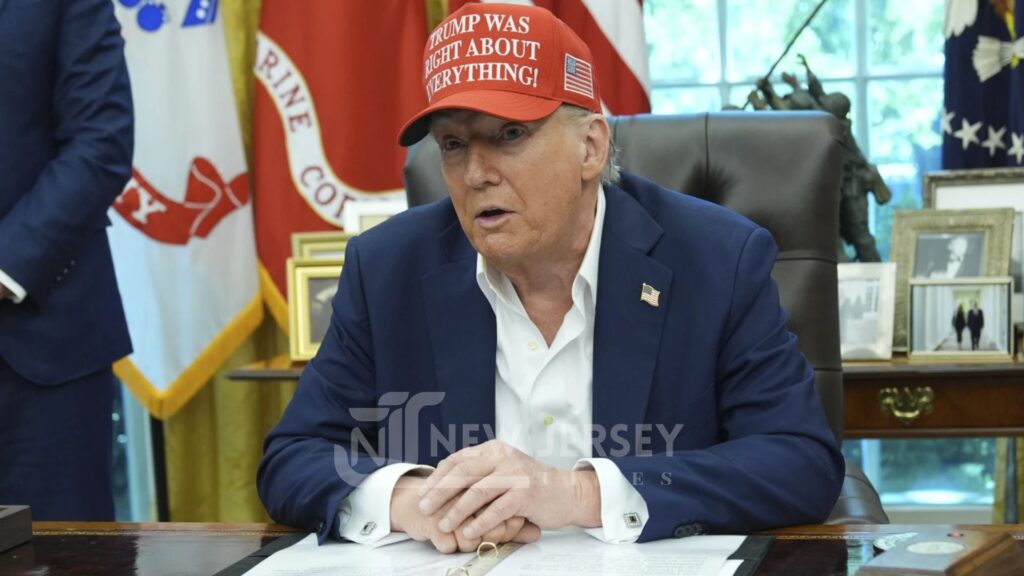
WASHINGTON: U.S. President Donald Trump is preparing to increase economic pressure on Iran as his administration looks for new ways to squeeze Tehran’s oil income, financial networks and international trade.


Trump said on Friday that Iran would face tougher economic action, a day after Treasury Secretary Scott Bessent said Washington was preparing measures against Tehran that have “never been seen” and could be announced as early as this week.
The threat comes at a time when Iran is already one of the most heavily sanctioned economies in the world. For decades, the United States and other governments have restricted Iranian trade, frozen assets and targeted businesses, banks and individuals connected to Tehran.
Pressure has increased sharply during Trump’s second term. Since February 2025, the U.S. Treasury’s Office of Foreign Assets Control has sanctioned more than 1,000 Iran-related people, vessels and aircraft as part of its pressure campaign.
Since the conflict with Iran escalated in February 2026, Washington has also stepped up action against Iran’s oil trade, shipping networks, financial channels and military supply chains. The United States has targeted vessels belonging to what it calls Iran’s “shadow fleet”, a network of ships used to transport oil while avoiding sanctions.
But with so many restrictions already in place, the key question is what Washington can still do to put significantly more pressure on Tehran.
Target Chinese Independent Refineries Buying Iranian Oil
One of the clearest options is to go after more Chinese companies that buy Iranian crude.
China remains the biggest destination for Iranian oil, and small independent refineries, commonly known as “teapot” refiners, handle a large share of those purchases.
The U.S. Treasury has said China buys roughly 90% of Iran’s oil exports and that independent refineries account for most of those imports. Washington has already warned companies dealing with these refiners that they could face U.S. sanctions.
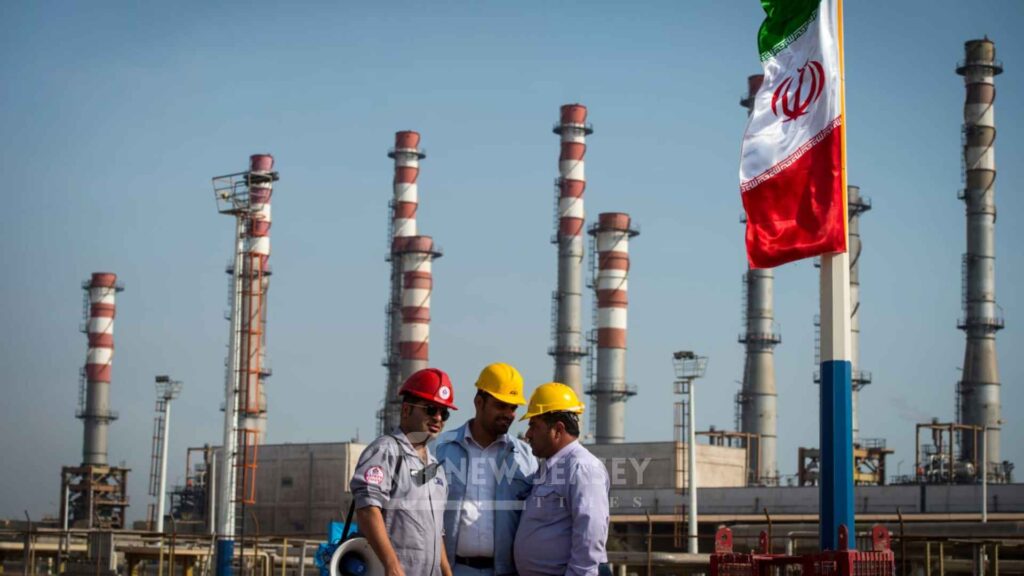
The logic is simple. Oil remains one of Iran’s most important sources of foreign income. If Washington can make it harder for Tehran to find buyers, arrange shipping or receive payment, it could reduce the money available to the Iranian government.
However, sanctioning smaller Chinese refiners has limits. Many have little direct business with the United States and limited exposure to the American banking system. That means being cut off from U.S. markets may not hurt them enough to stop purchases completely.
A more aggressive U.S. strategy could therefore focus not just on the refineries but also on the companies, traders, ports and financial institutions that allow those oil deals to happen.
Pressure Chinese Banks
Washington could take a much bigger step by targeting financial institutions that help process payments linked to Iranian trade.
U.S. sanctions rules already allow Washington to punish foreign financial institutions that knowingly conduct significant transactions with designated Iranian banks or other sanctioned financial entities.
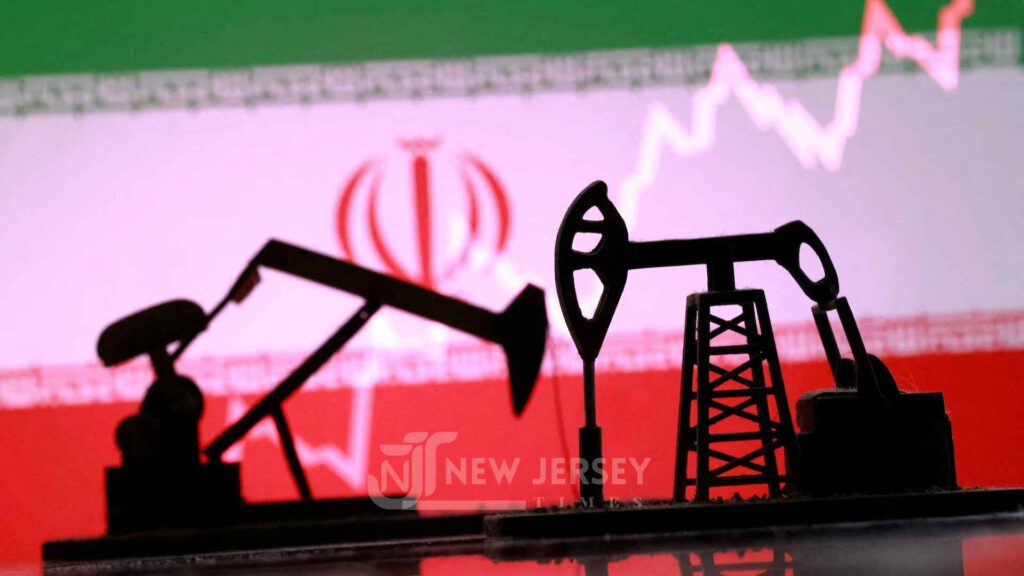
Going after larger Chinese banks would be far more serious than sanctioning individual oil traders.
Major banks depend heavily on access to global financial markets and the U.S. dollar. Even the possibility of losing access to the American financial system could make banks more cautious about handling Iran-related transactions.
But that option carries major risks.
Targeting an important Chinese bank could deepen tensions between Washington and Beijing and potentially lead to retaliation. China is a major supplier of critical minerals and other materials needed for industries including electronics, clean energy and advanced manufacturing.
That makes banking sanctions potentially powerful, but also politically and economically costly.
Keep Chasing Iran’s Sanctions-Evasion Networks
Another option is simply to intensify what Washington is already doing.
Iran has spent years developing ways to move oil, money and goods outside traditional financial channels. These networks can involve shell companies, shipping companies, brokers, foreign-exchange businesses, cryptocurrency platforms and intermediaries in several countries.
The Treasury has increasingly targeted such networks. It says Iranian exchange houses move billions of dollars in foreign currency transactions each year, helping sanctioned institutions gain access to international markets.
Washington has also turned its attention to digital assets.

In 2026, U.S. authorities expanded restrictions on Iranian cryptocurrency exchanges and warned foreign institutions about doing business with them. Treasury says its actions have led to the freezing of nearly half a billion dollars in Iran-linked cryptocurrency.
The problem is that sanctions-evasion networks can be difficult to eliminate permanently.
When one company or payment channel is blocked, another can often appear under a different name or in another country. That forces authorities into a continuing cycle of identifying and sanctioning new companies, vessels and intermediaries.
Even so, stronger enforcement could make sanctions evasion more expensive and complicated for Tehran.
Target Aviation and Alternative Trade Routes
Washington could also expand restrictions on aviation companies and land-based trade routes.
As maritime trade becomes harder, Iran could rely more heavily on aircraft, trucks and neighboring countries to move high-value goods, industrial components and other supplies.
The U.S. has already targeted companies that support Iranian aviation networks, including businesses accused of helping sanctioned airlines continue international operations.
Further sanctions could make it more difficult for Iran to obtain aircraft parts, arrange cargo flights or work with foreign aviation businesses.
Still, air transport cannot replace large-scale maritime shipping, particularly for oil and bulk commodities.
Could There Be a Land Blockade?
A much more extreme option would be an attempt to restrict Iran’s trade across its land borders.
Iran shares borders with Iraq, Turkey, Pakistan, Afghanistan, Turkmenistan, Azerbaijan and Armenia. Any meaningful land blockade would therefore require extensive cooperation from several governments.
That would be extremely difficult.
Some borders stretch across mountains, deserts and remote regions that are difficult to monitor. Informal trade and smuggling routes have existed in the region for decades, making a complete shutdown even harder.
Such restrictions could also hit ordinary Iranians particularly hard by limiting access to food, clothing, fuel and other basic goods.
And there is no guarantee that greater economic hardship would produce the political outcome Washington wants. Governments under heavy sanctions can sometimes redirect public anger toward foreign countries rather than face increased domestic opposition.
For those reasons, a full land blockade would be far more complicated than financial sanctions or restrictions on specific businesses.
Secondary Tariffs Remain Another Possibility
Trump has also repeatedly supported the idea of imposing tariffs on countries that continue doing business with Iran.
This approach is sometimes described as a secondary tariff strategy. Instead of targeting Iran directly, Washington would make it more expensive for other countries to maintain commercial relationships with Tehran while also exporting goods to the United States.
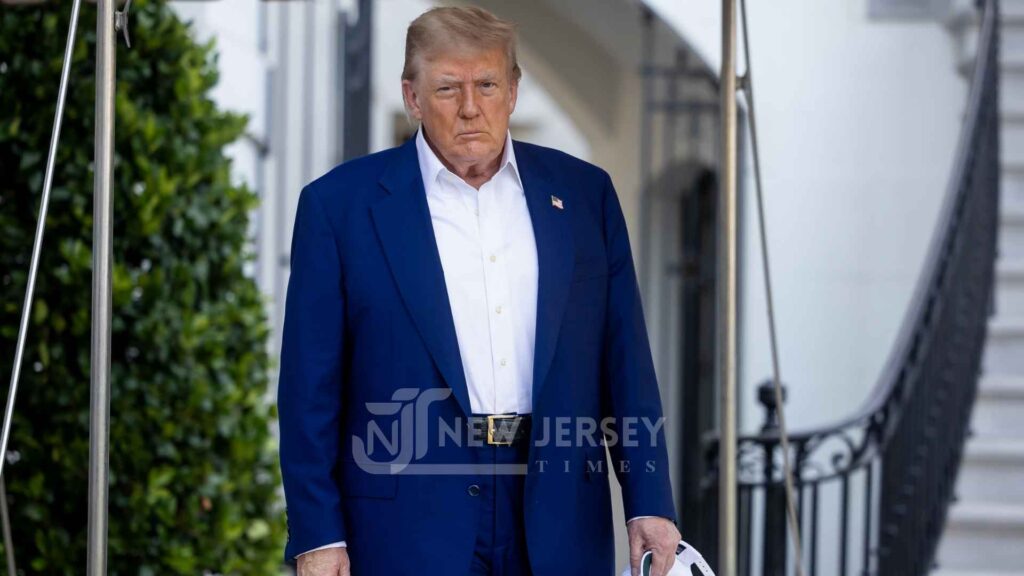
But Trump’s ability to impose such tariffs on his own has been restricted.
On February 20, 2026, the U.S. Supreme Court ruled that the International Emergency Economic Powers Act does not give presidents the authority to impose tariffs. That decision removed a legal route the administration had previously relied upon for some of its tariff policies.
Congress could still give the president additional tariff authority through new legislation.
Such a measure could become a powerful tool because countries would effectively have to weigh the value of doing business with Iran against their access to the much larger U.S. market.
However, secondary tariffs could also create trade disputes with major economies, particularly if they affect countries that Washington needs as diplomatic or security partners.
How Much Further Can Washington Go?
The challenge for the Trump administration is that many of the easiest economic targets have already been sanctioned.
Iran’s oil industry, banking system, shipping networks and parts of its industrial economy have faced years of restrictions. The administration is therefore increasingly looking beyond Iranian companies themselves and toward the foreign businesses that allow Tehran to keep trading.
That could mean tougher action against Chinese oil buyers, banks processing Iranian payments, shipping companies transporting crude, currency exchanges moving money and firms supplying goods to Iran.
The strategy also carries a broader risk.
The harder Washington pushes foreign companies and governments to stop dealing with Iran, the greater the possibility of disputes with countries such as China and other major trading partners.
For Trump, the next stage of economic pressure may therefore be less about finding entirely new sanctions and more about making the existing system much harder to avoid.
Bessent’s promise of measures unlike anything previously imposed suggests Washington may be preparing to test just how far that pressure can go.
New Jersey Times Is Your Source: The Latest In Politics, Entertainment, Business, Breaking News, And Other News. Please Follow Us On Facebook, Instagram, And Twitter To Receive Instantaneous Updates. Also Do Checkout Our Telegram Channel @Njtdotcom For Latest Updates.

A Wall Street veteran turned investigative journalist, Marcus brings over two decades of financial insight into boardrooms, IPOs, corporate chess games, and economic undercurrents. Known for asking uncomfortable questions in comfortable suits.

Trained in war zones, raised in Newark, and seasoned in city hall, Jordan blends grit reporting with deep integrity. From floods to finance bills, they’re always first on scene and last to leave.




