The “Bezos Met Gala”: How One Billionaire Sponsor Turned Fashion’s Biggest Night Into a Political Flashpoint

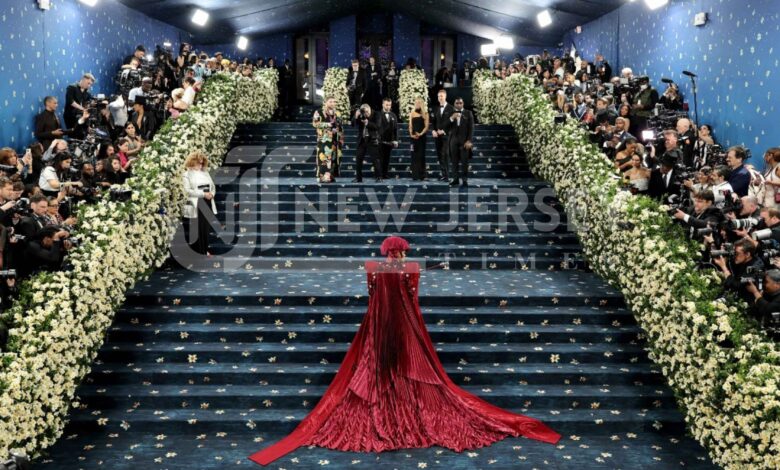
New York, May 4: The Met Gala 2026 fashion’s most-watched annual event has arrived under its most politically charged cloud in decades, and the controversy has nothing to do with what anyone is wearing. This year’s Met Gala has shifted from a celebration of costume and culture into a full-scale debate about billionaire power, corporate ethics, and who gets to buy their way into America’s most exclusive rooms. What was once the hottest ticket in fashion now feels, to many, like a referendum on wealth, influence, and the uncomfortable alliances that keep cultural institutions alive.
Who Is Sponsoring and Why It Matters
For decades, the Met Gala has drawn its financial firepower from the global luxury industry. Chanel, Saint Laurent, Prada, and their peers have written the checks that fund the Costume Institute’s acquisitions, conservation lab, reference library, and 29 person staff. Individual billionaires do not typically take the lead. This year, they do and the fashion world has not quietly accepted it.
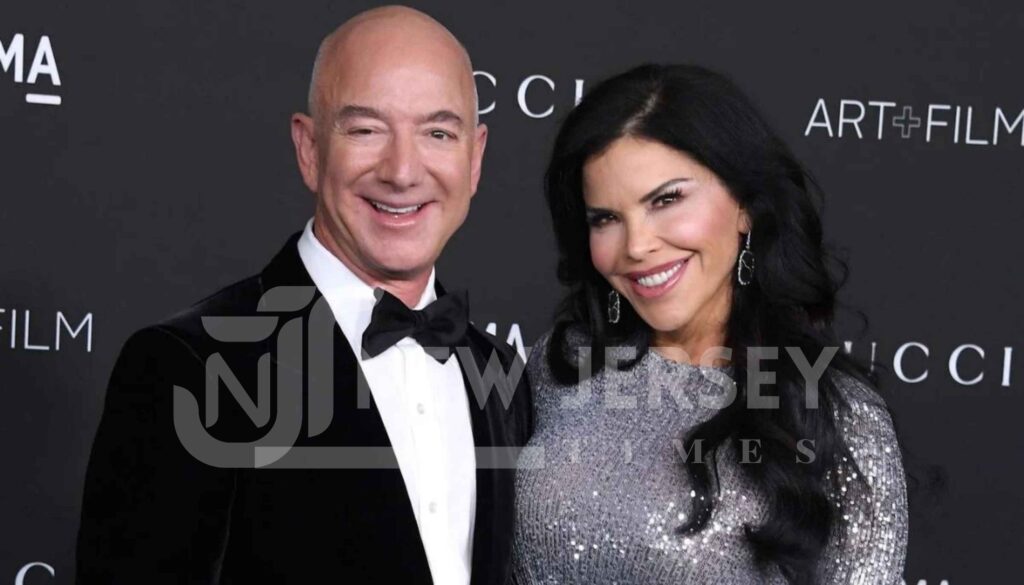
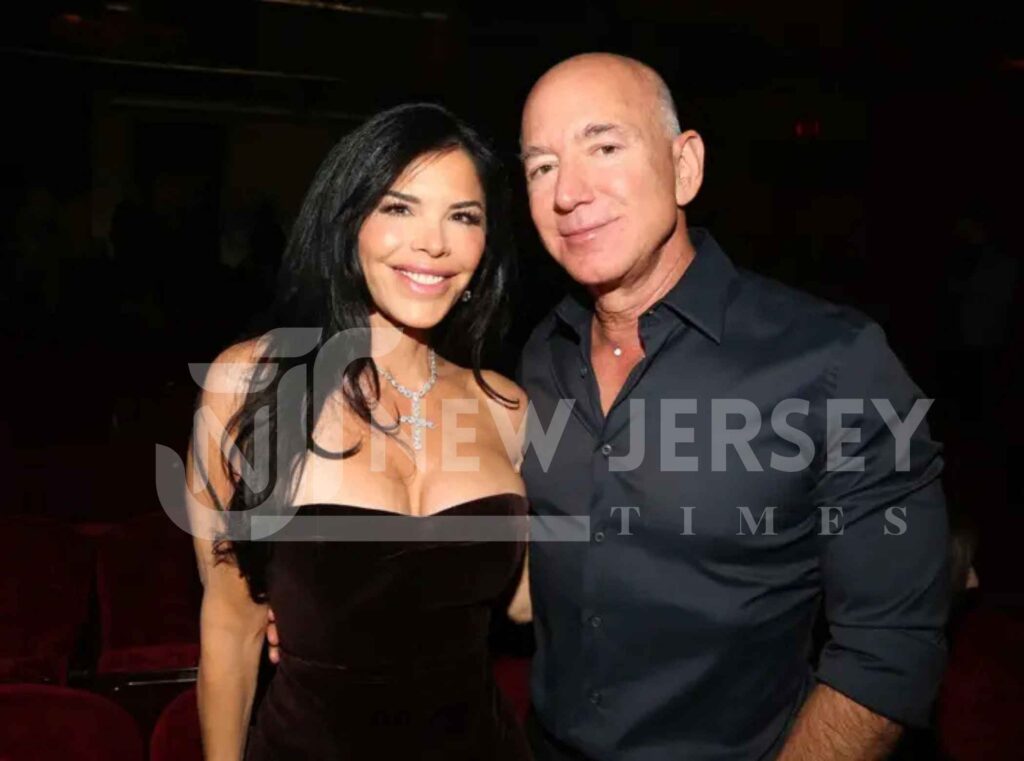
As reported by CNN, Jeff Bezos and Lauren Sanchez Bezos are the Met Gala’s primary benefactors and honorary co chairs a structural departure from the event’s entire funding history. Amy Odell, author of the widely read biography Anna: The Biography, put it plainly in comments to The Daily Mail, as reported by AOL. “The Met Gala is not normally primarily sponsored by individual donors,” Odell said. “It’s normally brands that take on that task to foot the bill. For the leading sponsors to be two individuals is unusual. And they’re not popular, so that’s been very controversial as for why she went to them.”
The implication was pointed. The turn to a billionaire benefactor may reflect a weakening grip on traditional fashion-industry sponsorship a reading that several other insiders reinforced in conversations with major outlets. One source, speaking anonymously to The Daily Mail, described the Bezos involvement as feeling “very hurtful and very disturbing” for those who value the Met Gala’s cultural import. Another called it, bluntly, “a real slap in the face.”
That said, the museum itself has defended the arrangement vigorously. Metropolitan Museum director Max Hollein told CNN the Met Gala’s funds support not just the glittering evening, but a conservation lab, two new gallery spaces totaling nearly 16,000 square feet, and a reference library with over 800 periodicals and 1,500 designer files dating back to the 16th century. Salaries for the Costume Institute’s entire 29 person staff also come from gala funds, Hollein noted. The new galleries, located just off the museum’s Great Hall, will allow the Costume Institute’s exhibitions to remain open significantly longer than before.
Wintour, for her part, told CNN that Sanchez Bezos would be “a wonderful asset to the museum and to the event,” and thanked the couple for their “incredible generosity.” Supporters of the arrangement argue that such contributions are necessary to sustain world class institutions during a period when traditional luxury sponsorship is contracting. Critics see it differently as a clear and troubling display of how extreme wealth purchases cultural legitimacy in America today.
Why the Met Gala Is Facing Its Biggest Backlash Yet
The backlash did not stay confined to comment sections. Over the past several weeks, an activist collective called Everyone Hates Elon a group that has previously targeted Elon Musk and oligarchic influence broadly reportedly raised approximately $13,000 to fund a guerrilla poster campaign across New York City, according to Bored Panda. The group’s name may reference Musk, but their crosshairs, this time, are squarely on Bezos.
The posters, wheatpasted on lampposts, billboards, and building walls throughout Manhattan and Brooklyn, carry messages that are anything but subtle. One design, as documented by Hell Gate and reported by Newsweek, reads: “The Bezos Met Gala: Brought to you by worker exploitation.” It references the long standing allegations surrounding Amazon’s warehouse labor conditions allegations that have followed the company for years and resurfaced with renewed force in the weeks since the sponsorship announcement.
Another poster links the company directly to U.S. Immigration and Customs Enforcement, reading: “brought to you by the firm that powers ICE.” A third features an image of a urine bottle placed on a red carpet a reference to widely reported 2018 claims that Amazon truck drivers were denied adequate bathroom breaks. The imagery is deliberately jarring, designed to sit in uncomfortable contrast with the glamour of the Met Gala’s red carpet.
The campaign has been heavily amplified on social media. Users on X and TikTok warned that celebrities who attend risk being informally “Bezos listed” by critics online a term that spread rapidly in the days leading up to the Met Gala and generated significant debate about whether cultural events can or should be separated from their funders’ political and corporate records.
The street-level campaign found parallel reinforcement from inside the political establishment. New York City Mayor Zohran Mamdani, elected amid heightened public anxiety over income inequality, confirmed he would not attend the Met Gala. Speaking to local news outlet Hell Gate, Mamdani said his focus was on “affordability and making the most expensive city in the United States affordable,” according to CNN. His absence marks a deliberate and public break from the longstanding convention of mayoral attendance at the Met Gala a tradition that has held for many years across administrations.
The A-List Absences: Zendaya, Streep, and a Missing Gaga
The protest pressure has complicated the social calculus for some of the Met Gala’s most reliable and celebrated attendees. Zendaya, who attended the Met Gala for seven consecutive years and became one of its most photographed and discussed presences, will not be there on Monday, according to reporting by Elle and confirmed by The Daily Beast. Whether her absence constitutes a deliberate political statement is genuinely unclear she has four films in release in 2026, and scheduling fatigue is a legitimate explanation on its own. Still, the timing has fed widespread speculation that refuses to die down.
The more pointed no-show is arguably Meryl Streep. As reported by The Daily Mail and corroborated by The Daily Beast, Streep fresh off the premiere of The Devil Wears Prada 2, in which she reprises her Anna Wintour-coded role as Miranda Priestly was reportedly extended a co-chair invitation for this year’s Met Gala and turned it down. Her team has stated that the Met Gala “has never quite been her scene,” according to Sunday Guardian Live. Multiple outlets including The Hollywood Reporter note that industry observers and social media commentators widely attribute her decision to principled opposition to the Bezos involvement specifically.
The irony of Streep’s absence cuts deep. The Devil Wears Prada 2 opened this same weekend, with her character built directly on Wintour’s public persona. That Streep chose not to appear beside the real woman she portrays on screen at precisely this flashpoint moment is not lost on anyone watching the situation develop. Whether it was a deliberate statement or simply a long held personal preference, the optics are impossible to separate from the controversy surrounding this year’s Met Gala.
Lady Gaga’s name has also notably failed to appear on any confirmed guest list as of press time. After years as one of the Met Gala’s most anticipated arrivals, her absence adds one more notable gap to an event that is accumulating them at an unusual rate.
Ticket Demand and the Question of Cultural Grip
Adding another layer to an already strained pre event narrative, insiders have reportedly told celebrity journalist Rob Shuter writing on his Substack on April 20 that ticket prices are quietly coming down from their advertised high of $100,000 per person and $350,000 per table, with undisclosed discounts reportedly being extended as the Met Gala date approaches. The Metropolitan Museum has not officially addressed these claims.
As reported by Bored Panda, one industry source stated bluntly: “The demand just isn’t there.” Another told outlets that designers are actively pulling back from the Met Gala this cycle a development that, if accurate, would represent a significant shift in the event’s standing within the fashion industry itself. For a gathering that has spent two decades cultivating an image of absolute exclusivity and limitless demand, even the whisper of softening interest is a significant cultural moment.
These claims remain contested and unconfirmed by the museum. The Met Gala raised a record $31 million last year, per CNN, and the confirmed attendee list still includes Beyonce, Nicole Kidman, Venus Williams, Rihanna, ASAP Rocky, Doja Cat, Zoe Kravitz, and Sabrina Carpenter, among many others. The red carpet will be full. The photographs will be spectacular. The conversation will be loud.
Still, the conversation about softening demand is itself a novelty that signals something has shifted around this year’s Met Gala even if the full picture only becomes clear after Monday night.
The Theme, the Exhibition, and the Irony Within
Lost almost entirely beneath the billionaire-funding debate is the exhibition itself and that loss, too, is part of the story. This year’s Met Gala theme, “Costume Art,” gathers nearly 400 objects from the Metropolitan Museum’s broader curatorial departments, pairing garments with paintings, sculptures, and works spanning centuries of human civilization. It is, by any serious measure, an ambitious and intellectually rigorous undertaking.
Rather than organizing the show chronologically, curators have structured the “Costume Art” exhibition around interpretations of the human body the naked body, the classical body, the pregnant body, the aging body, the anatomical body, and the mortal body. Each category draws connections between fashion and the fine arts across eras and continents that most visitors will never have considered before walking through the door.
The contrast between that intellectual weight and the week’s dominant headlines is sharp and uncomfortable. A show dedicated to fashion as a legitimate art form across human history is being discussed almost entirely through the lens of a billionaire’s labor record and a street poster campaign. Whether that irony indicts the Met Gala’s organizers, its critics, or simply the media ecosystem that covers all of it simultaneously that is a question each observer will have to answer for themselves.
Silicon Valley Comes to the Red Carpet
One dimension of this year’s Met Gala that has received less attention than it deserves is the broader shift in who now populates fashion’s most exclusive evening. As reported by The Hollywood Reporter, Mark Zuckerberg and his wife recently attended a Prada runway show, and Silicon Valley billionaire Bryan Johnson made appearances at Paris Fashion Week shows this season. Both are expected to be part of the Met Gala’s extended orbit on Monday night.
The presence of tech billionaires at the Met Gala and across fashion’s most prestigious events represents a genuine cultural shift one that predates Bezos’s sponsorship but has now crystallized around it. Fashion has historically been financed and shaped by European luxury conglomerates and their creative directors. The gradual replacement of that ecosystem with American tech wealth carries implications for the industry’s values, aesthetics, and independence that the fashion world is only beginning to grapple with openly.
Anna Wintour has long been the arbiter of who belongs at the Met Gala and who does not. As The Hollywood Reporter noted, despite the tech billionaires being “kings of the world,” at the Met Gala, “Anna still reigns.” For now, that remains true. What it means for the event five years from now as tech money replaces luxury sponsorship and the Met Gala’s guest list tilts further toward Silicon Valley is an open and consequential question.
What Monday Will Tell Us
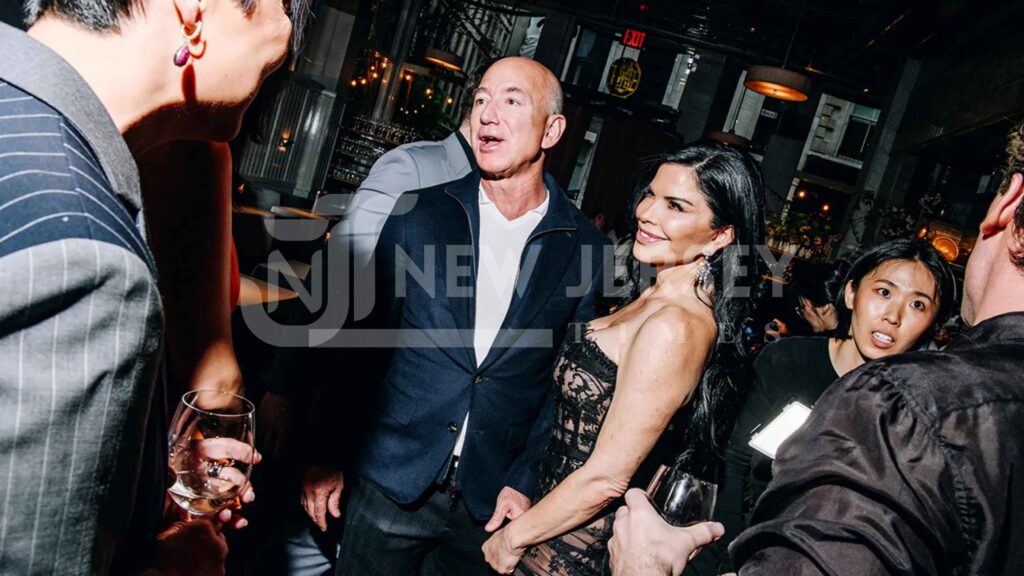
The 2026 Met Gala walks a narrow and deeply uncomfortable line. It needs the money that figures like Bezos provide the museum’s needs are real, its collections are irreplaceable, and its staff depends on the Met Gala’s annual fundraising haul to operate. Without that money, the scholarship, conservation, and public programming that make the Costume Institute one of the world’s great fashion resources would not exist at the scale they currently do.
It also needs the cultural credibility that comes from being genuinely embraced by the creative class the designers, celebrities, artists, and cultural figures who have defined the Met Gala’s identity for generations. Right now, for the first time in recent memory, those two needs are pulling in sharply opposite directions.
When the red carpet opens at 6 p.m. ET this Monday, the world will be watching not only for the looks, the designers, and the inevitable viral moments, but for what the size of the crowd, the energy in the room, and the faces on those steps say about fashion’s willingness or unwillingness to separate its glamour from its politics.
In a year when that distinction feels more impossible than ever, the steps of The Metropolitan Museum of Art may say more about money, power, and culture in America than any Met Gala exhibit inside ever could.
New Jersey Times Is Your Source: The Latest In Politics, Entertainment, Business, Breaking News, And Other News. Please Follow Us On Facebook, Instagram, And Twitter To Receive Instantaneous Updates. Also Do Checkout Our Telegram Channel @Njtdotcom For Latest Updates.

A Wall Street veteran turned investigative journalist, Marcus brings over two decades of financial insight into boardrooms, IPOs, corporate chess games, and economic undercurrents. Known for asking uncomfortable questions in comfortable suits.

A bi-coastal pop culture critic and former indie screenwriter, Gia covers Hollywood, streaming wars, and subculture shifts with razor wit and Gen Z intuition. If it’s going viral, she already knew about it.